by Julian Chandler | Sep 8, 2026 | Homesteading
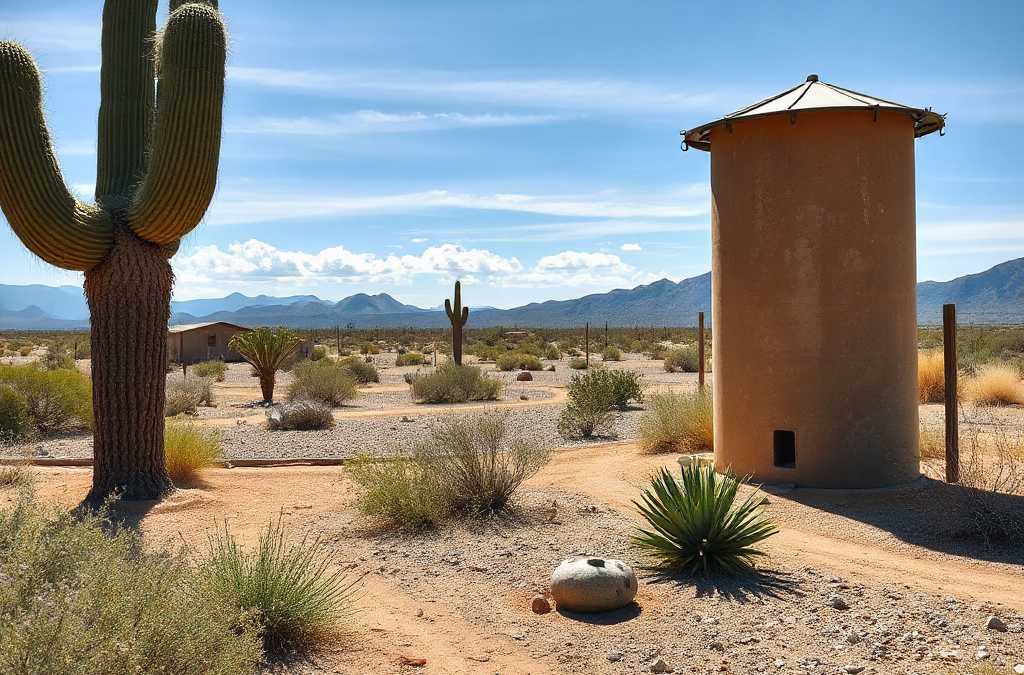
Washington State homesteading succeeds when land selection, climate exposure, and regulations are evaluated together before a parcel is purchased. Check county zoning, legal access, water availability, septic feasibility, critical-area restrictions, and permitted livestock uses rather than relying on a rural appearance or real-estate listing.
by Julian Chandler | Sep 8, 2026 | Homesteading
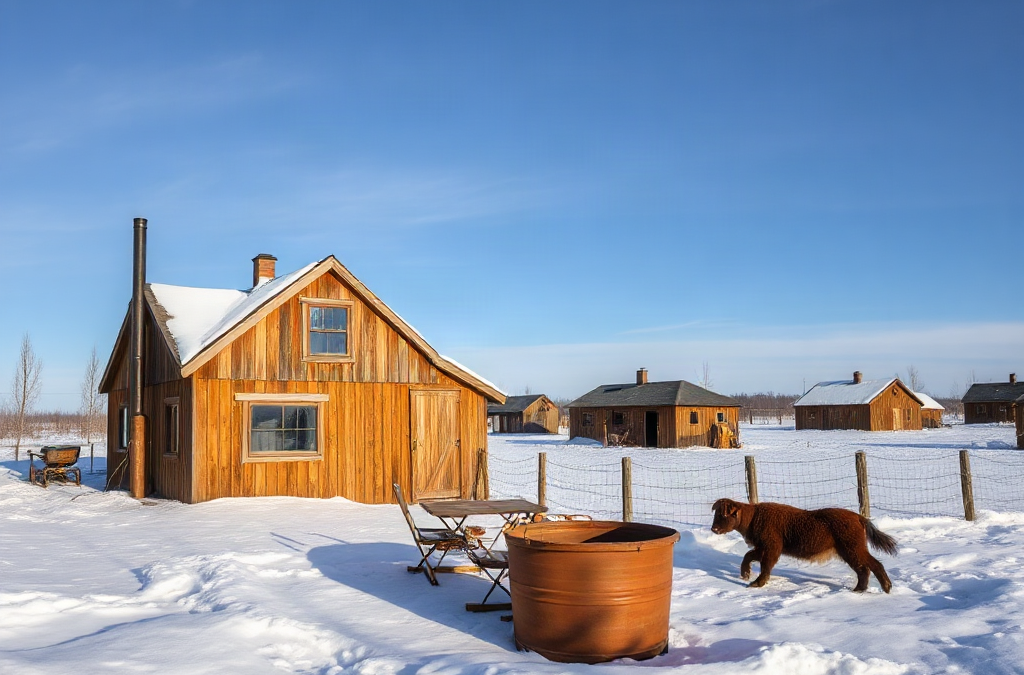
Alaska homesteading succeeds when cold-climate preparation and constraints are addressed through dependable heat, freeze-resistant water, stored food, and year-round access before livestock or major crop expansion. A safe primary heating system needs a tested backup, while wells, tanks, pipes, and drains must remain serviceable during prolonged freezing and power loss.
by Julian Chandler | Sep 7, 2026 | Homesteading
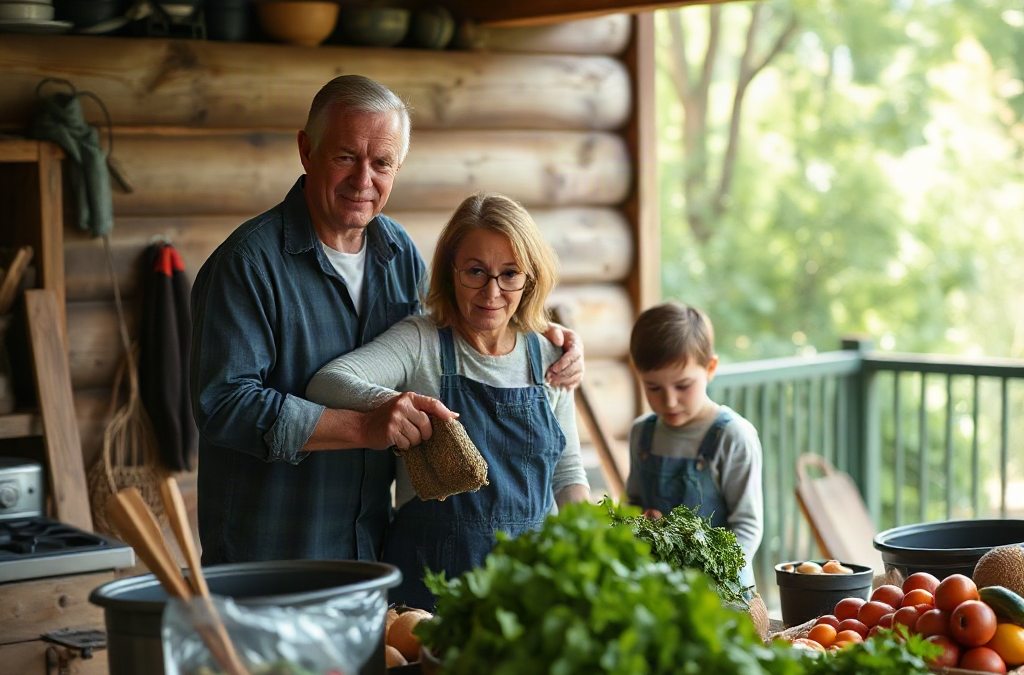
Homesteading with the Zimmermans frames family self-reliance as a household system built around food production, shared chores, preserved supplies, and backup routines rather than total independence from outside services. A workable approach assigns age-appropriate responsibilities, records seasonal tasks, and protects essential needs such as water, heat, animal care, and meals when someone is unavailable.
by Julian Chandler | Sep 7, 2026 | Homesteading
The best states for homesteading balance an adequate growing season, attainable rural acreage, reliable water, manageable taxes, and county rules that permit the intended house, livestock, and outbuildings. Missouri, Tennessee, Kentucky, Arkansas, and Oklahoma often suit budget-conscious buyers, while Maine, Michigan, and Wisconsin offer strong water access but shorter growing seasons and harder winters.
by Julian Chandler | Sep 7, 2026 | Homesteading
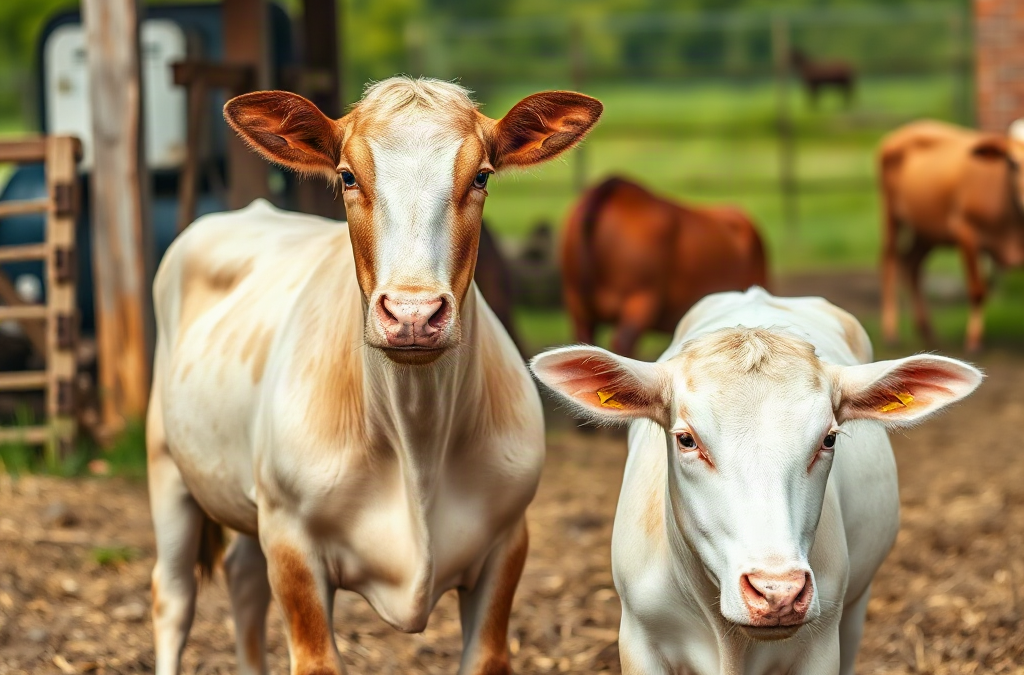
Explore livestock planning for limited homestead resources through resources animals will actually, considering the conditions that change the outcome.