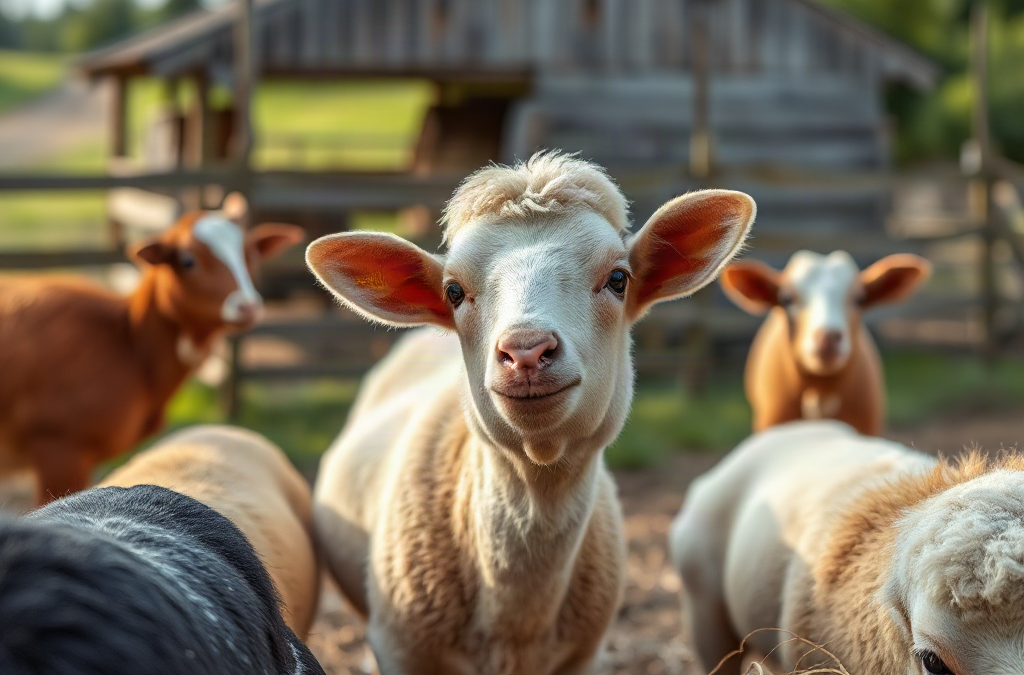
Farm animal care priorities for new homesteaders should begin with dependable water, species-appropriate feed, secure shelter, predator protection, and daily health observation. Housing must stay dry and ventilated without exposing animals to direct drafts, while fencing should match the strength and behavior of the species. New arrivals need separation from the resident herd or flock so illness is easier to detect and contain. Owners should also arrange veterinary support, safe handling facilities, and backup care before buying animals.
What Should Be Ready Before Animals Arrive?
The care system should be operating before livestock are unloaded. Test water delivery, inspect every fence line, bed the shelter, secure feed storage, and walk the route animals will use between housing, pasture, and handling areas. Building these systems after arrival creates avoidable pressure: frightened animals find unfinished gates, water containers tip over, and owners make hurried purchases that may not suit the species.
Begin with the needs of one species rather than assembling a mixed barnyard immediately. Chickens, goats, pigs, sheep, cattle, and rabbits differ in fencing behavior, mineral requirements, weather tolerance, social needs, and predator exposure. A fence that contains sheep may not stop a climbing goat, while poultry housing needs protection against small predators that would never challenge cattle fencing. Shared pasture can sometimes work, but shared feed is a separate issue because a ration or mineral product intended for one species may be unsuitable for another.
Capacity should be measured against the difficult season, not the easiest month. Green summer pasture can make several animals appear inexpensive, yet winter introduces purchased hay, frozen-water problems, mud, bedding use, and reduced daylight for chores. Estimate where a season’s feed will stay dry, how water will remain available during a freeze or outage, and where manure can be handled without contaminating wells, surface water, feed, or traffic areas.
A pre-arrival check should cover five practical points:
- Containment: completed fencing, working latches, and a smaller pen for observation or treatment.
- Daily supplies: suitable feed, clean bedding, water containers, and species-specific minerals where appropriate.
- Safe handling: a way to catch, separate, examine, and load an animal without chasing it across a field.
- Support: contact information for a veterinarian who works with the chosen species and a plan for routine and urgent care.
- Backup coverage: written chores and a capable substitute for illness, travel, severe weather, or equipment failure.
The common mistake is buying animals because space appears available. Acreage alone does not establish carrying capacity; forage quality, drainage, shade, local climate, stored-feed costs, and daily labor may be more limiting. New owners generally gain more useful experience from a small same-species group than from several species acquired at once.
How to Manage Feed, Water, and Daily Observation
Consistent intake and attentive observation reveal problems earlier than occasional intensive inspections. Animals should have reliable access to clean water and a diet formulated for their species, age, production stage, and forage conditions. Sudden feed changes can disrupt digestion, so transitions are usually made gradually unless a veterinarian directs otherwise. Labels also matter: feeds, supplements, and medications should not be assumed interchangeable across species.
Water deserves more attention than its simplicity suggests. Check it at least daily and more often during heat, freezing weather, lactation, or equipment trouble. Automatic waterers reduce carrying labor but can fail unnoticed; open tubs are easy to inspect but collect bedding, manure, algae, and debris. A useful routine is to confirm both cleanliness and flow rather than merely seeing that a container is present. Backup buckets or tanks should be ready for pump failures and power outages.
Feed storage affects animal health as well as cost. Keep bags and hay protected from moisture, rodents, wildlife, and access by loose livestock. Damp or visibly spoiled feed should not be hidden beneath fresh material. Secure lids help prevent overeating if an animal escapes into a storage area, but the storage room itself still needs a strong latch. For grazing animals, pasture is not automatically a complete ration throughout the year; maturity, drought, snow cover, stocking pressure, and soil conditions change what forage supplies.
Daily observation works best when it follows the same sequence. Look at the group before disturbing it, then note appetite, water use, posture, movement, breathing, manure, body condition, coat or feather appearance, and interactions around feeders. An animal standing apart, arriving late to feed, moving stiffly, or repeatedly being displaced may warrant a closer examination. Familiarity with normal behavior for each individual makes subtle changes easier to recognize.
Records turn impressions into usable evidence. Note feed changes, breeding dates, births, treatments, injuries, body-condition trends, and unusual behavior. Exact treatment and withdrawal decisions belong with a veterinarian and the product label, especially for animals producing meat, milk, or eggs. The failure mode is relying on memory until several small changes become a crisis. A notebook kept near the chore area is often more useful than a complicated system that nobody updates.
Housing, Fencing, and Predator Protection
Good housing protects animals from weather while allowing moisture and contaminated air to escape. Closed buildings may feel warmer to people, but poor ventilation lets humidity and ammonia accumulate around animals. The better target is a dry resting area with fresh-air exchange, protection from precipitation, and no concentrated draft across occupied bedding. Shelter design should account for summer shade as carefully as winter wind.
Drainage often determines whether a shelter remains workable. Roof runoff, leaking waterers, and concentrated hoof traffic can turn an entrance into deep mud, increasing bedding use and making routine handling difficult. Place feeders and waterers where spills can be managed and where timid animals are not trapped by dominant herd mates. Enough feeder access matters because providing the correct ration does little good if one animal consistently cannot reach it.
Fencing should be selected for the animal being contained and the pressure outside it. Woven wire can provide a visible physical barrier, while properly designed electric fencing can discourage contact and extend pasture options. Electric systems require training, grounding, vegetation control, and regular testing; a wire that looks intact may not be delivering an effective pulse. Portable fencing offers flexibility but generally demands more frequent inspection than a well-built permanent perimeter.

Predator defense is a layered job rather than a single product purchase. Poultry may require a fully secured night enclosure, strong latches, covered openings, and attention to gaps at ground level. Young or small livestock may need closer housing during vulnerable periods. Feed spills, carcasses, unsecured trash, and dense cover near housing can attract wildlife or conceal approach routes. Livestock guardian animals can be useful in suitable settings, but they add feeding, training, fencing, veterinary, and management responsibilities of their own.
Inspect boundaries from the animal’s perspective. Look for sharp wire, loose staples, eroded spaces under gates, objects that can be climbed, and corners where an animal could be trapped. Then check from the outside for digging, tracks, damaged mesh, or repeated pressure points. A practical test happens before turnout: close every gate, energize and test electric components, remove entanglement hazards, and supervise the animals’ first exploration. Assuming new livestock will respect an unfamiliar fence is a costly beginner error.
Health Planning, Handling, and Emergency Readiness
A working relationship with a livestock veterinarian should be established before an emergency. Availability differs by area and species, and not every companion-animal clinic treats farm livestock. Ask prospective clinics which animals they serve, how after-hours calls are handled, what information they need during an urgent call, and whether farm visits or trailer transport are expected. Routine health plans may vary with region, production goals, disease risks, and individual history.
New animals should enter through a controlled process rather than moving directly into the resident group. Use a separate area that prevents nose-to-nose contact and avoids shared buckets, tools, or runoff where practical. Observe appetite, manure, breathing, movement, and general condition, and discuss appropriate testing or preventive care with a veterinarian. The length and details of separation depend on species, source, health history, and local disease concerns, so a universal schedule should not replace professional advice.
Low-stress handling also belongs in routine care. Animals that calmly enter a small pen, crate, chute, or halter are easier to inspect and treat than animals handled only during frightening events. Design alleys and gates to reduce sharp turns, slick footing, dead ends, and places where people can be pinned. Children should not be assigned tasks around large, territorial, newly arrived, or breeding animals without capable adult supervision.
Emergency readiness means deciding what will happen before weather, fire, injury, escape, or power loss narrows the options. Keep halters, carriers, panels, flashlights, and basic contact details accessible. Know which animals can be transported with existing equipment and where they could go. For animals that cannot be moved quickly, identify the safest available confinement area and maintain backup water. A written inventory with identifying marks can help when animals become separated.
Owners should know their limits when evaluating illness. Reduced appetite, isolation, abnormal breathing, inability to rise, severe bleeding, difficult birth, marked abdominal swelling, neurologic behavior, or rapid deterioration can justify prompt veterinary contact rather than internet troubleshooting. Do not give leftover medication or use a product across species without veterinary and label guidance. A successful plan is visible when chores remain orderly, changes are detected early, and animals can be separated safely; repeated escapes, empty water, persistent mud, weight loss, or postponed treatment signal that stocking or infrastructure needs correction.
Frequently Asked Questions
Which farm animal is easiest for a new homesteader?
No species is maintenance-free. Choose animals whose housing, fencing, feed supply, veterinary access, and daily care fit the property; a small same-species group is usually easier to manage than several species.
How often should livestock be checked?
Check animals at least daily, with additional checks during extreme weather, births, illness, fencing trouble, or water-system failures. Confirm water, appetite, movement, behavior, and containment each time.
Can different farm animals eat the same feed?
Do not assume they can. Nutrient needs and ingredient safety differ by species and life stage, so use correctly labeled feed and prevent animals from entering another species’ feeder or mineral supply.
Should new livestock be separated from existing animals?
Yes, a separate arrival area helps owners observe new animals and reduces direct exposure to the resident group. Ask a livestock veterinarian about testing, preventive care, and an appropriate separation period.
What should an animal-care backup plan include?
Provide written feeding amounts, water instructions, animal identification, secure handling procedures, veterinary contacts, and clear signs that require a call. The backup caregiver should practice the routine before being left alone.
Conclusion
Reliable livestock care comes from matching animal numbers to infrastructure, labor, seasonal feed, and available veterinary support. Before purchasing stock, complete the perimeter, prepare dry and ventilated shelter, test the water system, secure feed, and establish a place for separation and handling. Start with fewer animals than the property appears able to hold, then evaluate the operation through a full season before expanding.
Daily chores should produce useful observations rather than become a rushed feeding round. Track appetite, movement, body condition, behavior, and environmental problems so declining health or failing equipment is noticed early. The next practical step is to walk the property with a written checklist, correct the weakest containment or water issue, and confirm who will provide professional and backup care. Expansion should follow demonstrated capacity, not precede it.