by Julian Chandler | Sep 16, 2026 | Homesteading
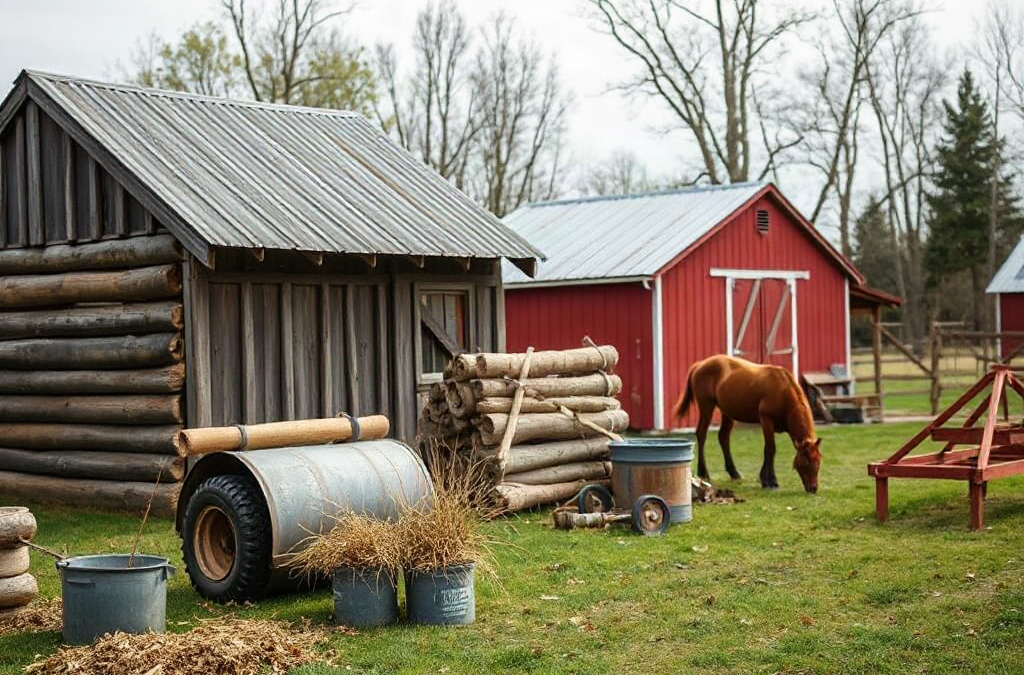
C Mon Homesteading keeps it real by showing that self-reliance rests on honest budgets, repetitive daily chores, seasonal timing, and a willingness to discuss setbacks without polishing them into easy success stories. A credible homestead account includes feed bills, failed plantings, repair delays, weather losses, and the limits imposed by time, land, and household income.
by Julian Chandler | Sep 15, 2026 | Homesteading
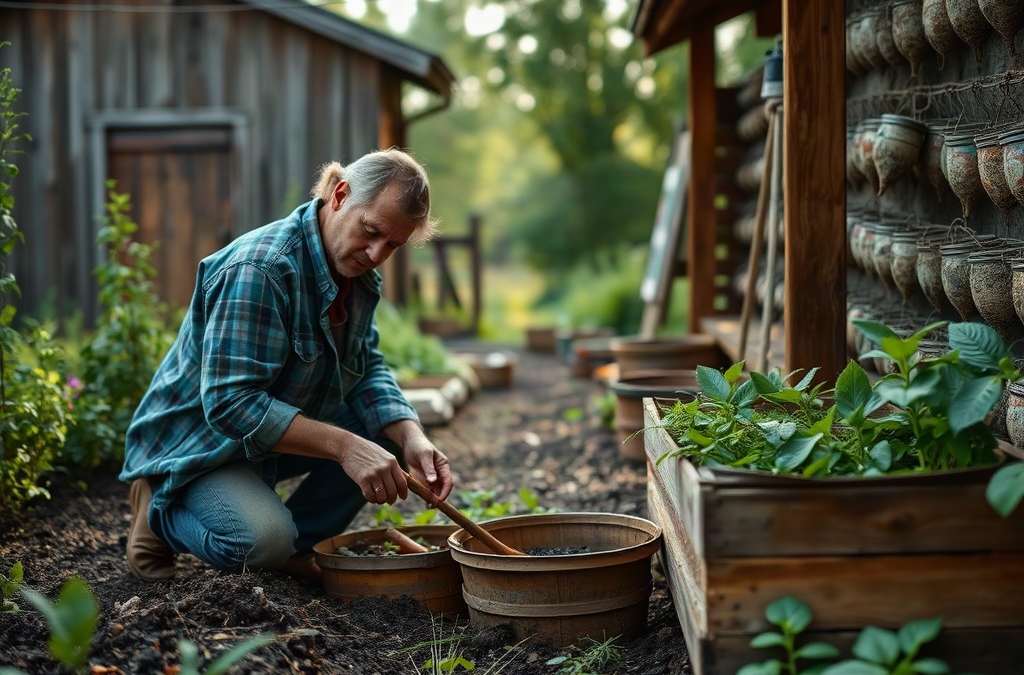
Homesteading the hard way teaches that failure usually comes from expanding faster than time, cash flow, soil, water, and daily labor can support. Gardens collapse when fertility and irrigation are assumed rather than tested; livestock suffer when fencing, shelter, feed storage, or backup care is incomplete.
by Julian Chandler | Sep 15, 2026 | Homesteading
Homesteading and farming differ mainly in purpose: a homestead is organized around household self-provisioning and a chosen way of life, while a farm is managed primarily as an agricultural business. The distinction affects production scale, crop and livestock choices, sales records, labor schedules, equipment, and financial decisions.
by Julian Chandler | Sep 15, 2026 | Homesteading
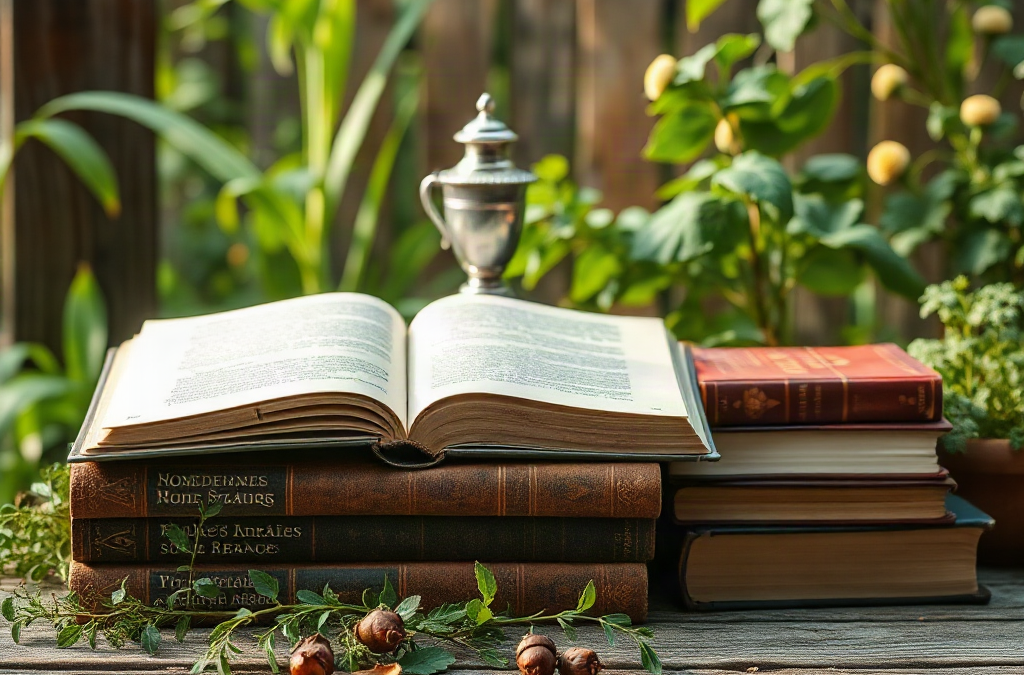
The most useful homesteading books for practical self-reliance teach complete working methods for food preservation, gardening, livestock care, repairs, and resource management rather than offering inspiration alone. Choose references with measurements, seasonal timing, safety limits, troubleshooting instructions, and projects suited to your property and climate.
by Julian Chandler | Sep 14, 2026 | Homesteading
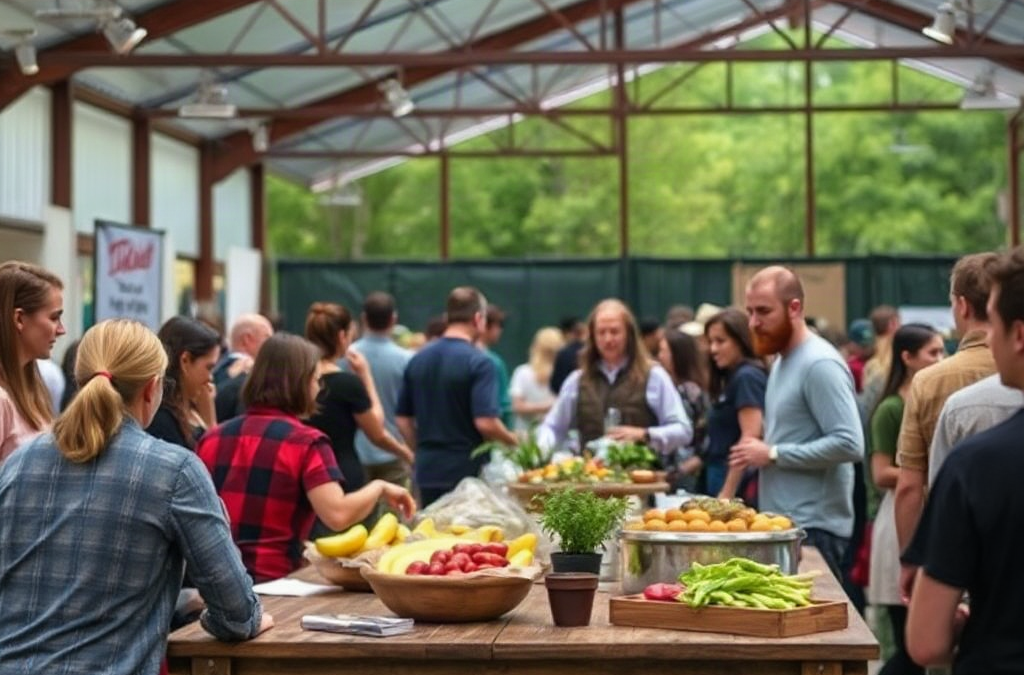
Modern homesteading conferences worth attending are events whose workshops, instructors, demonstrations, and vendor areas match projects you expect to tackle within the next year. Strong choices publish detailed session descriptions, identify each presenter’s hands-on experience, and allow enough time for questions or supervised practice.