by Homesteading Lifestyle Editorial Team | Nov 19, 2026 | Homesteading Lifestyle
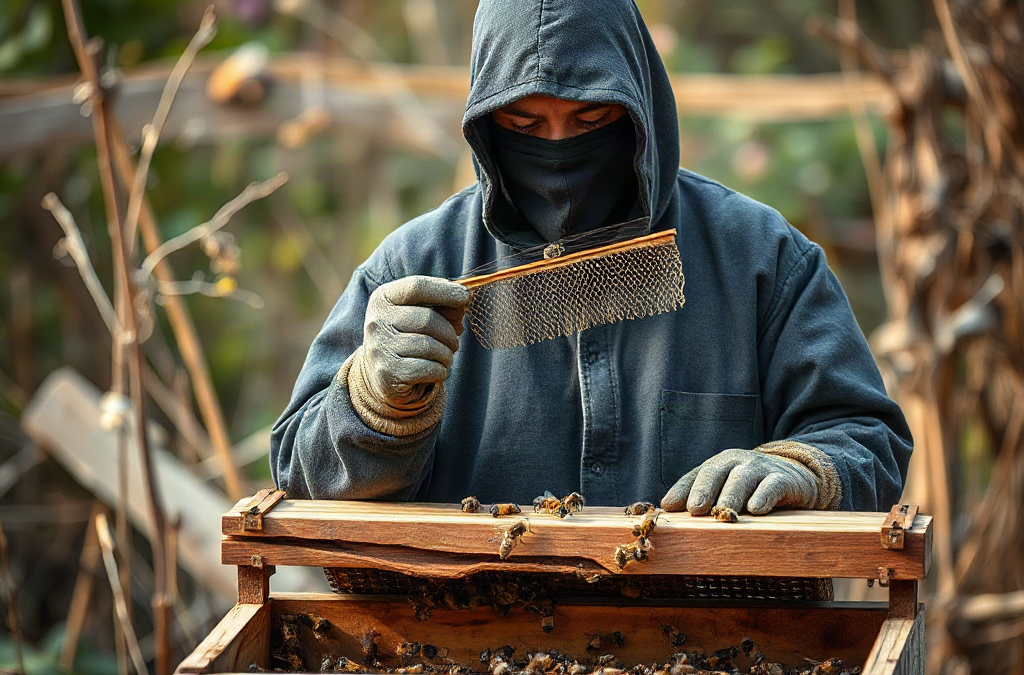
Top-bar beekeeping for beginners combines a simple horizontal hive with colony management that keeps each naturally drawn comb straight, accessible, and adequately covered by bees. Essential equipment includes a level hive, accurately fitted bars, comb guides, protective clothing, a smoker, and a hive tool or sturdy knife.
by Homesteading Lifestyle Editorial Team | Nov 17, 2026 | Homesteading Lifestyle
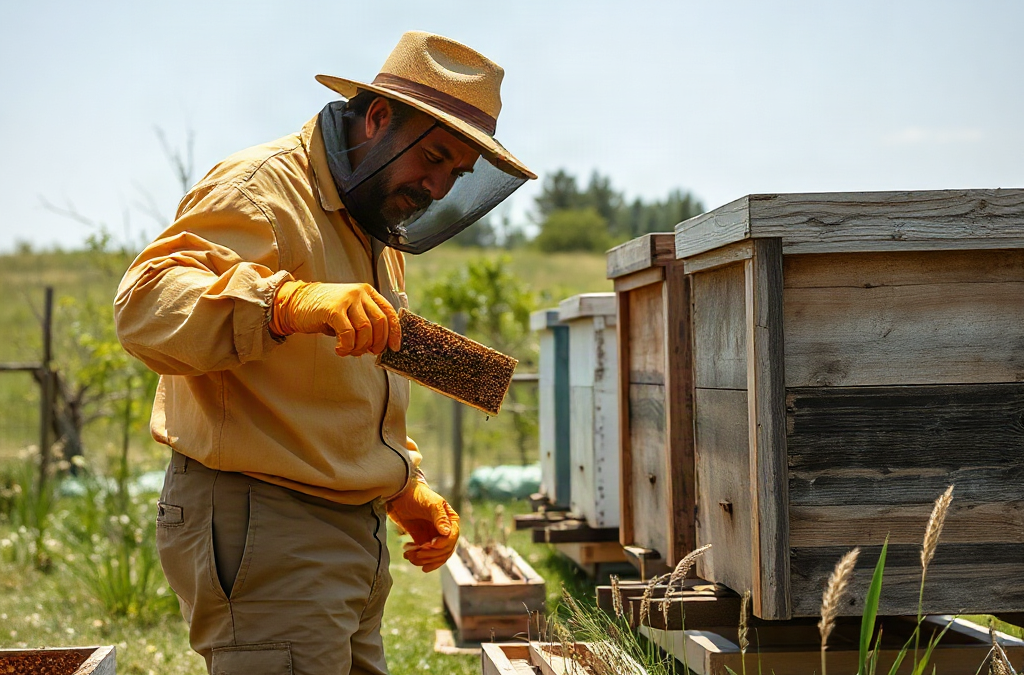
The best beehive for beginners based on handling and climate is usually an eight-frame Langstroth fitted with medium boxes, because its removable frames simplify inspections while lighter boxes reduce lifting strain. Standardized equipment, replacement parts, and local mentoring are also easier to find for Langstroth hives.
by Homesteading Lifestyle Editorial Team | Nov 14, 2026 | Homesteading Lifestyle
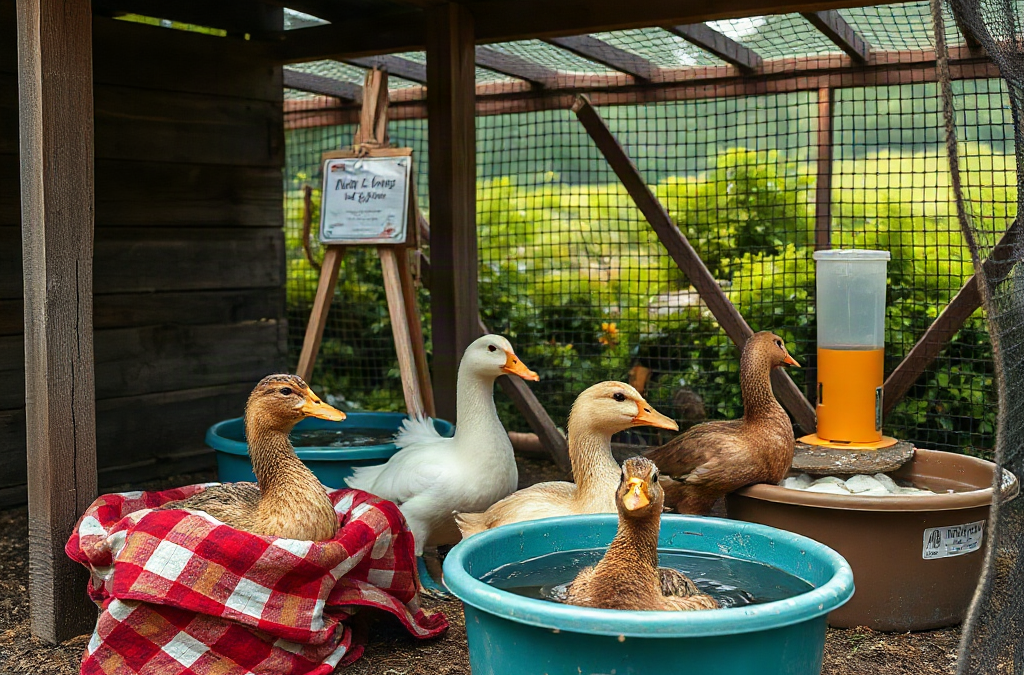
Homestead ducks need clean water deep enough to immerse their heads, a dry and ventilated shelter, and layered predator protection that remains secure after dark. Drinking containers should limit climbing and spilling, while a separate bathing area and intentional drainage keep bedding from becoming saturated.
by Homesteading Lifestyle Editorial Team | Nov 12, 2026 | Homesteading Lifestyle
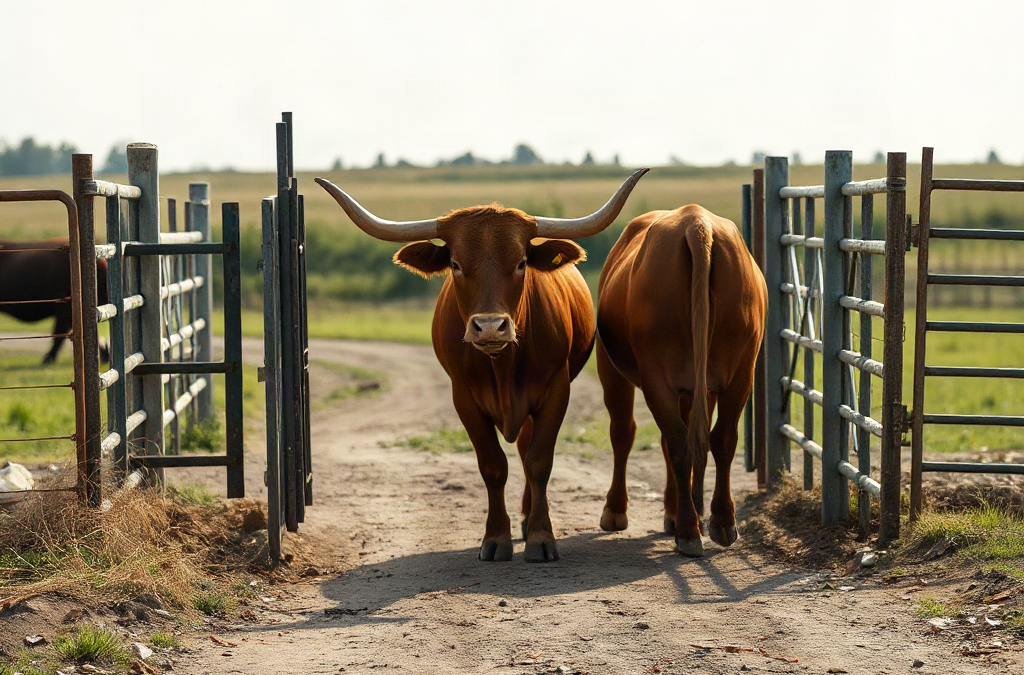
Longhorn cattle for beginners need usable forage acreage, secure fencing, and handling facilities designed around wide horn spans rather than cattle numbers alone. Stocking capacity should be based on local forage production, seasonal recovery, water access, and a drought reserve because a fixed acres-per-animal rule can quickly overstock poor ground.
by Homesteading Lifestyle Editorial Team | Nov 11, 2026 | Homesteading Lifestyle
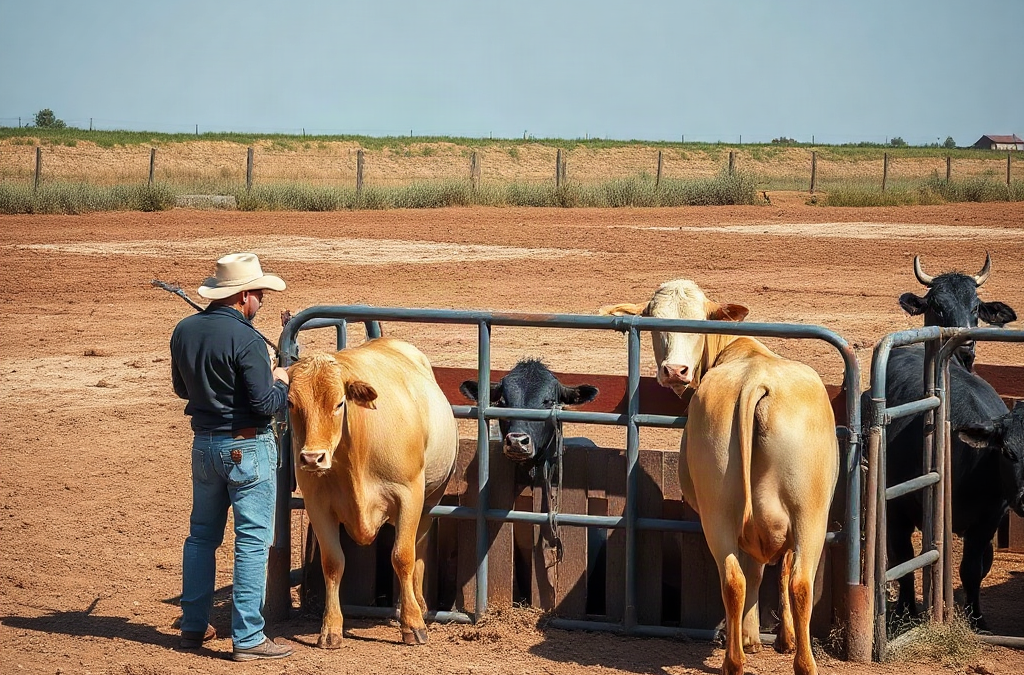
Cattle sorting for beginners is safest when movement and handling rely on calm pressure, clear escape routes, and facilities that keep people outside an animal’s path. Work small groups, approach at an angle near the edge of the flight zone, and release pressure as soon as cattle move correctly.
by Homesteading Lifestyle Editorial Team | Nov 9, 2026 | Homesteading Lifestyle
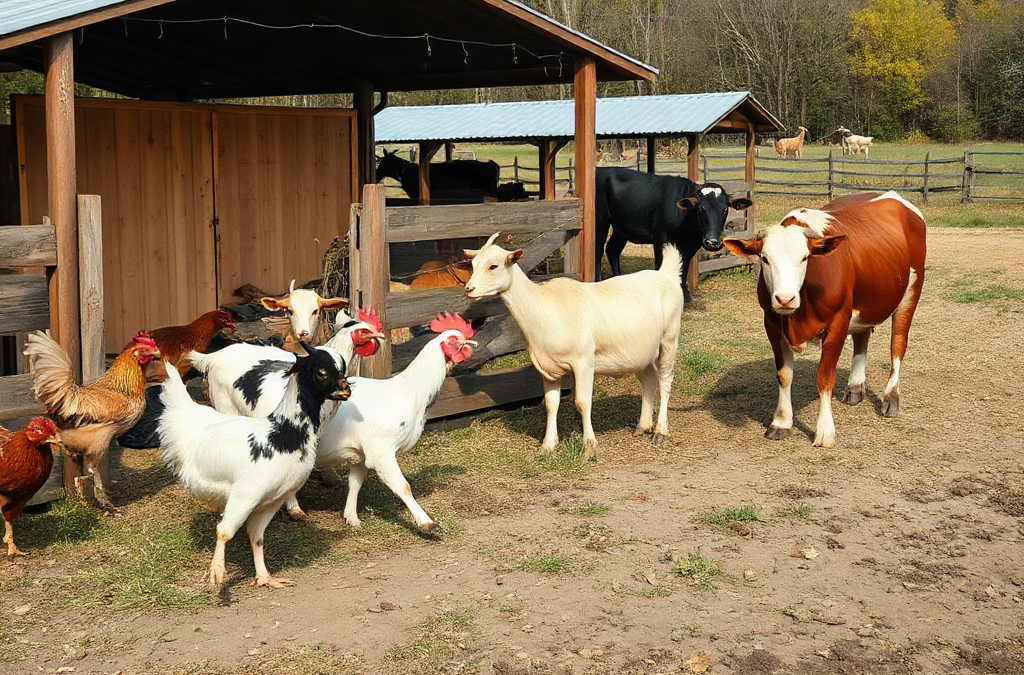
Homesteading livestock should be chosen by workload rather than appeal, with daily feeding, water, fencing, manure, health checks, and seasonal chores matched to the keeper’s available time. Laying hens and meat rabbits usually fit smaller properties and shorter chore windows, while goats, sheep, pigs, and cattle demand progressively stronger infrastructure or more complex handling.