by Homesteading Lifestyle Editorial Team | Nov 24, 2026 | Homestead Gardening
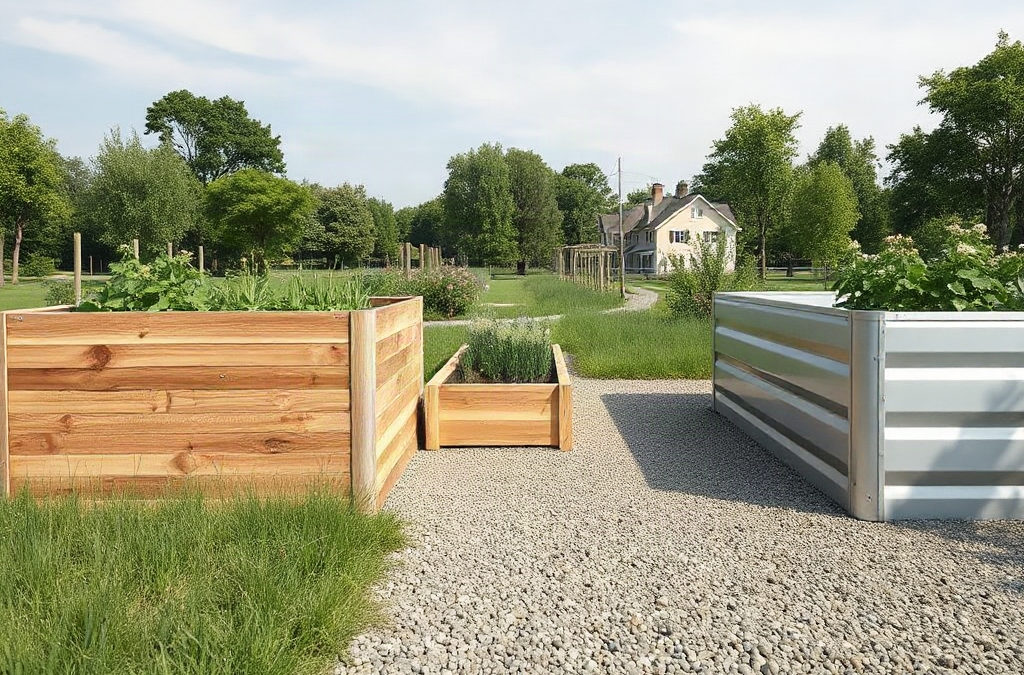
The best raised garden bed for beginners combines a manageable material with drainage suited to the site, climate, and crops. Cedar is easy to assemble and naturally decay resistant, while galvanized steel lasts longer but heats more quickly in strong sun.
by Homesteading Lifestyle Editorial Team | Nov 22, 2026 | Homestead Gardening
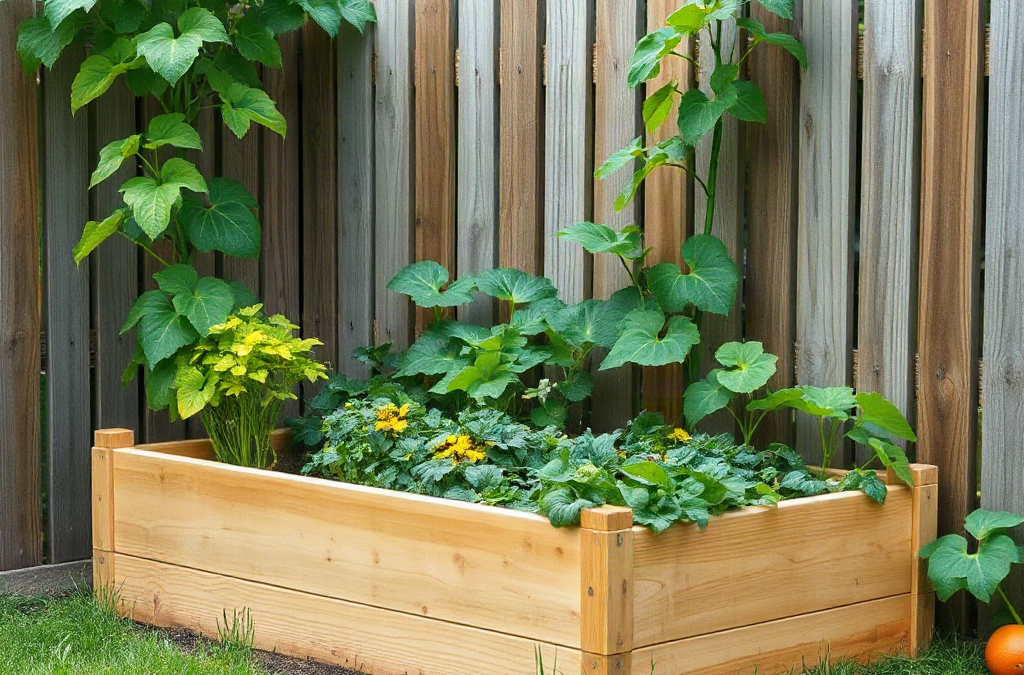
Small-yard raised bed vegetable gardening for beginners works best with one accessible bed placed in strong sunlight, filled with a stable soil blend, and planted with compact crops matched to the season. A bed about 3 to 4 feet wide allows gardeners to reach the center without stepping on and compacting the soil.
by Homesteading Lifestyle Editorial Team | Nov 20, 2026 | Homestead Gardening
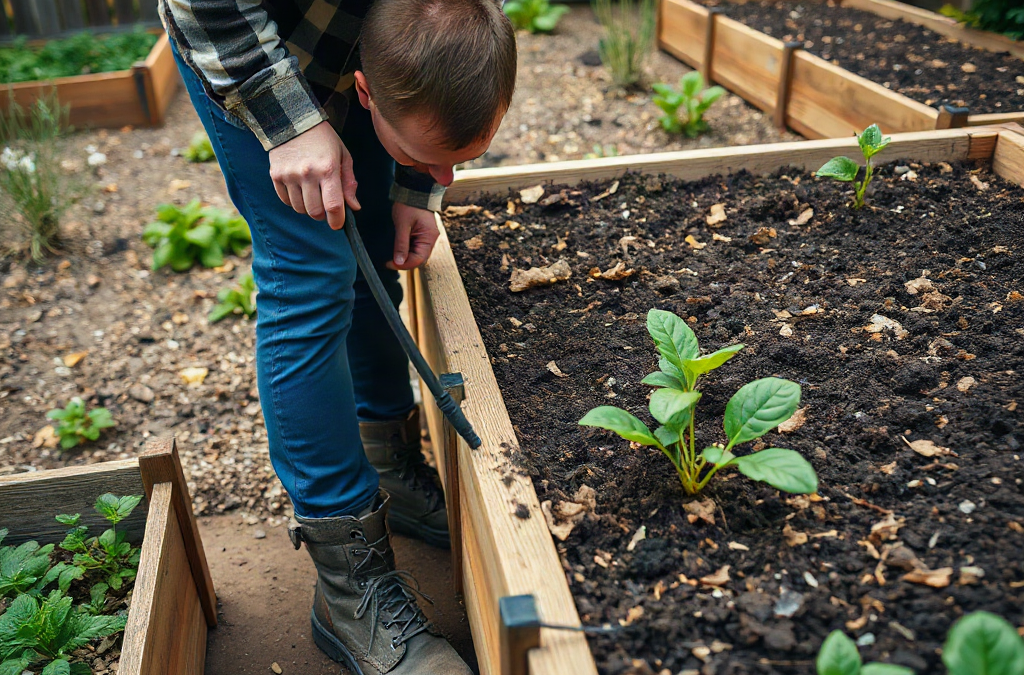
Raised beds for beginners work best when filling, watering, and maintenance are treated as one connected system: use a stable soil blend, water the root zone deeply, and replace organic matter as it decomposes. Combine screened topsoil with finished compost and a coarse mineral component rather than filling the bed with compost alone.
by Homesteading Lifestyle Editorial Team | Oct 14, 2026 | Homestead Gardening
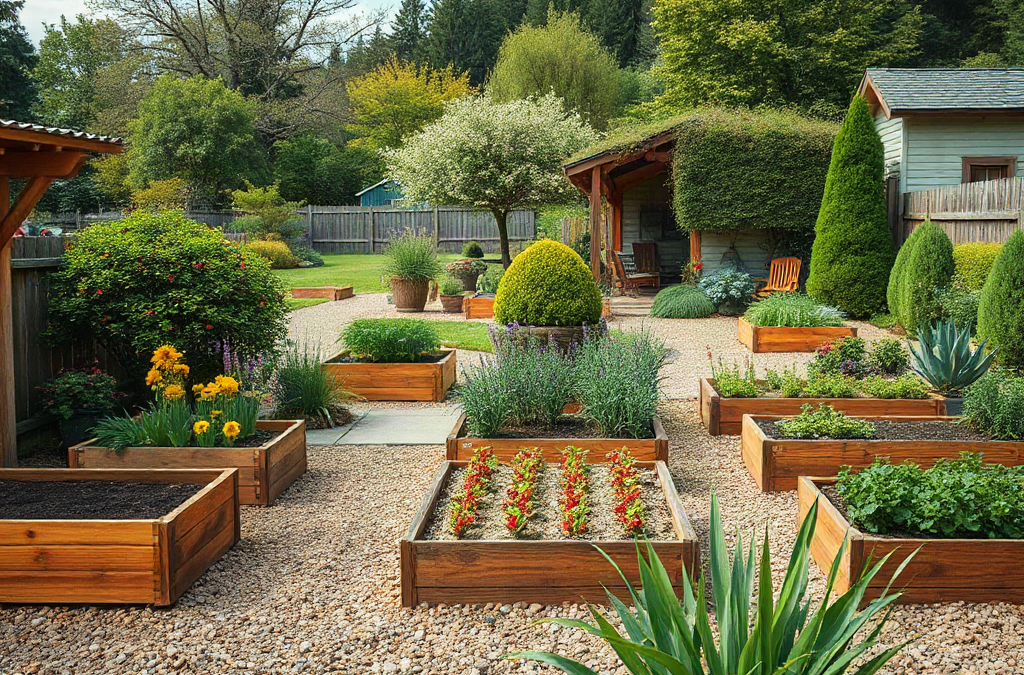
Beginner landscaping that supports food production combines edible plants with a site layout that manages sunlight, water, access, and long-term maintenance. Map areas receiving at least six hours of direct sun, place frequently harvested crops near the house, and reserve permanent positions for fruit trees and perennial herbs.
by Homesteading Lifestyle Editorial Team | Oct 13, 2026 | Homestead Gardening
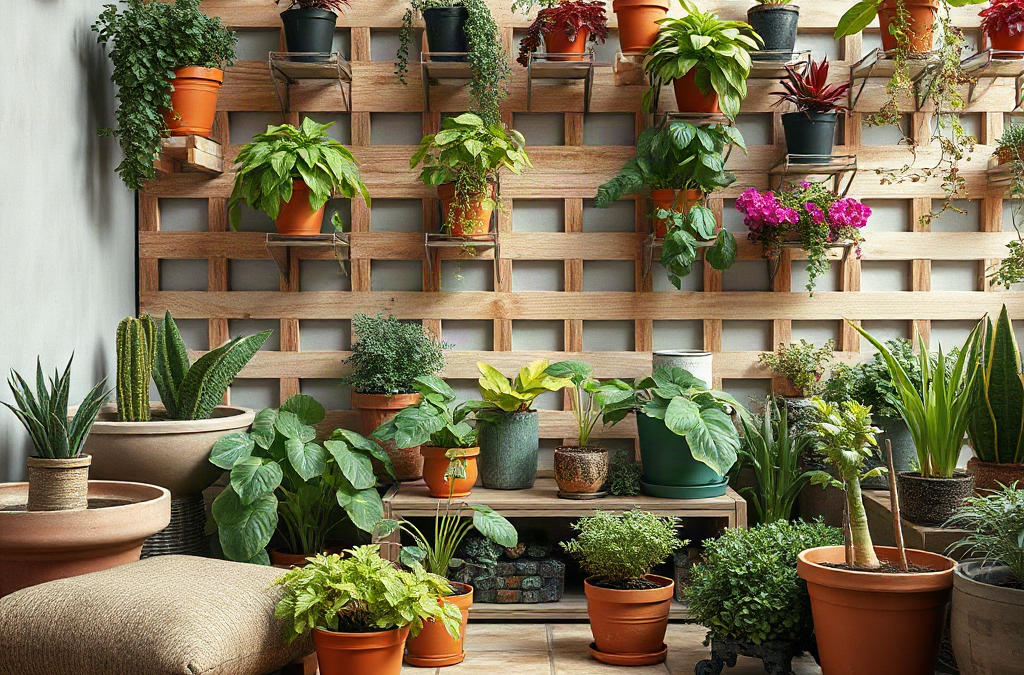
Patio gardening for beginners works best when containers are matched to mature root size and vertical space is reserved for climbing or trailing crops. Place sun-loving vegetables where they receive at least six hours of direct light, use containers with drainage holes and fresh potting mix, and check moisture frequently…
by Homesteading Lifestyle Editorial Team | Oct 12, 2026 | Homestead Gardening
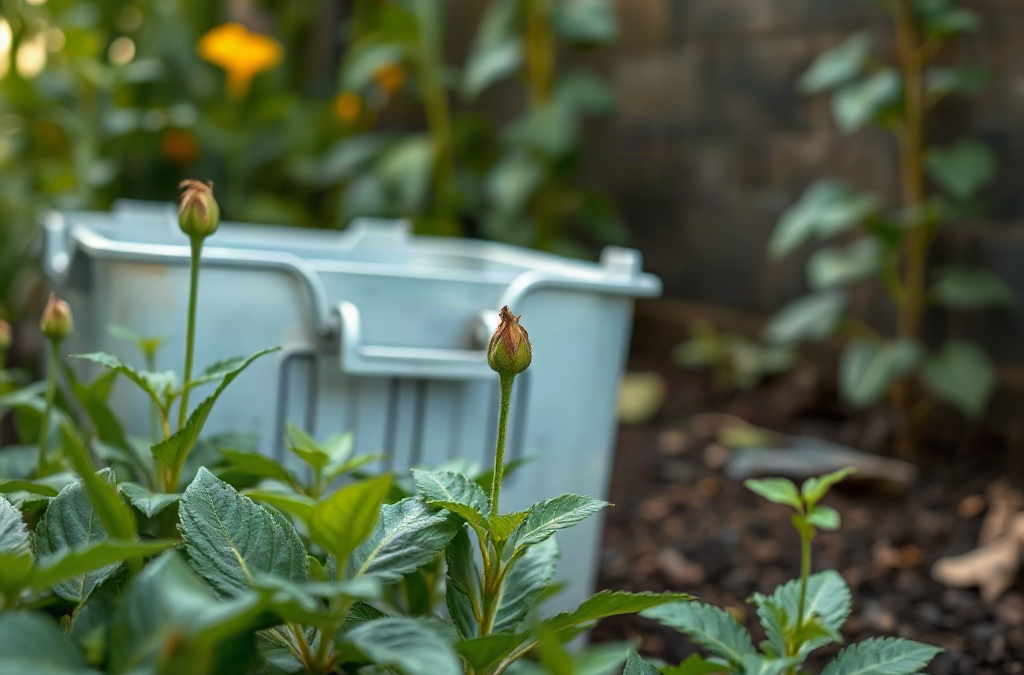
Small garden planning for beginners works best when productive crop choices are matched to available sunlight, usable bed space, household eating habits, and the length of the local growing season. Give the brightest ground to fruiting crops, use quick leafy vegetables between slower plants, and favor compact or vertical varieties where square footage is limited.