by Julian Chandler | Sep 14, 2026 | Homesteading
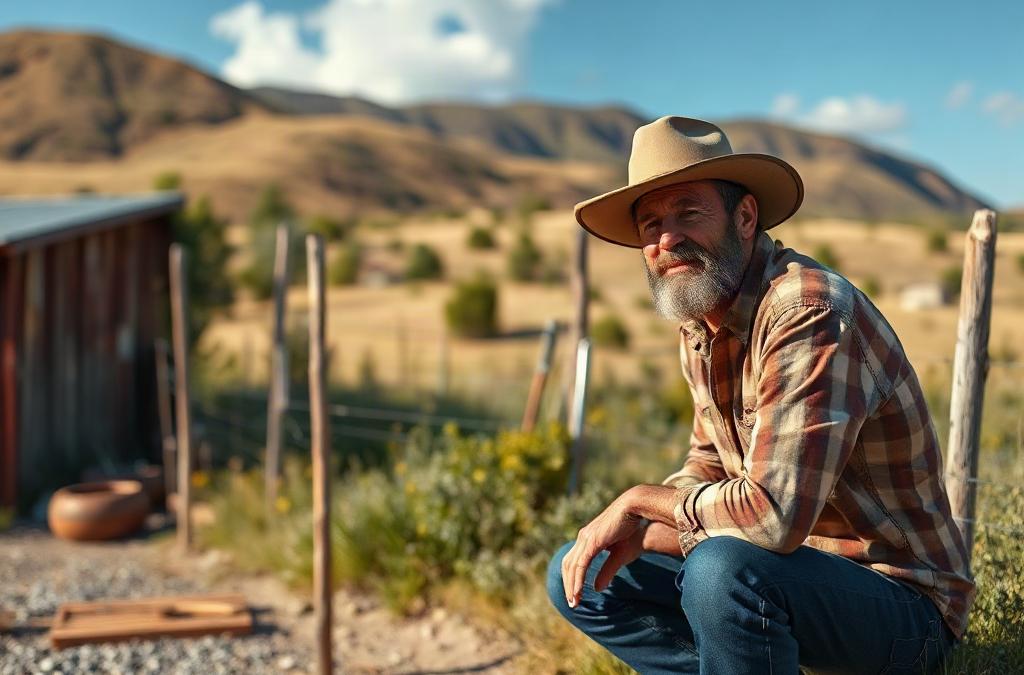
A viable California homestead depends on matching the land to local laws and total costs before committing to a purchase. County zoning, legal water availability, permitted dwelling status, wildfire exposure, septic feasibility, road access, and property taxes can matter more than acreage alone.

by Julian Chandler | Sep 13, 2026 | Homesteading
Everyday homesteading turns practical household production into a repeatable system for growing food, preserving seasonal surplus, repairing useful items, and cycling kitchen or yard materials back into production. The most reliable approach is to choose a few outputs your household regularly uses, match them to available time and storage, and…
by Julian Chandler | Sep 13, 2026 | Homesteading
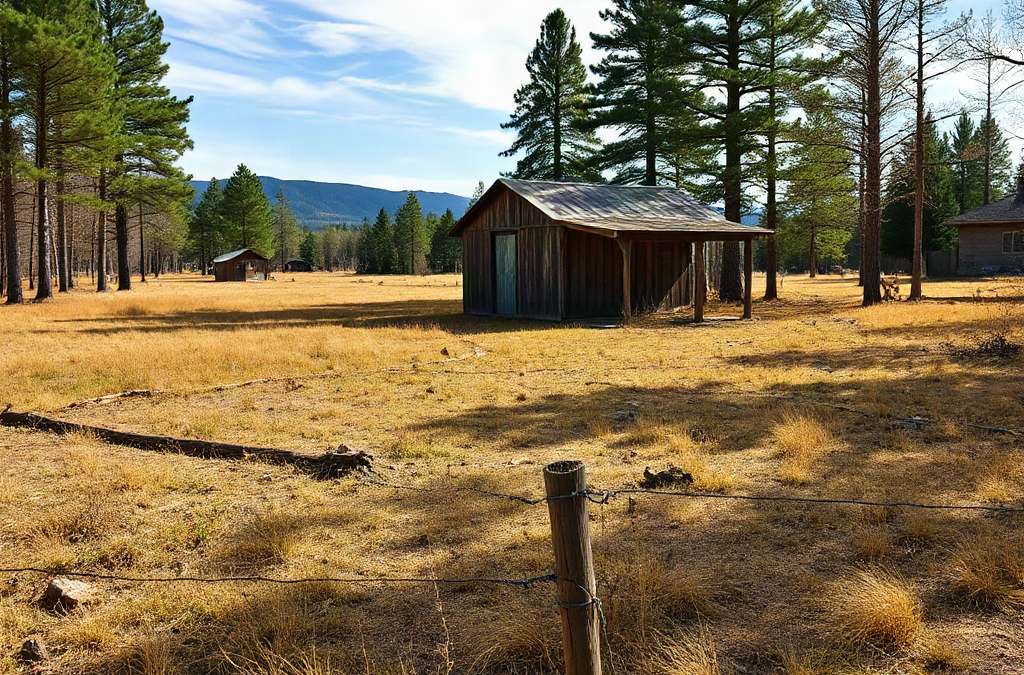
Finding suitable land for homesteading requires screening each parcel for legal use, dependable water, workable soil, safe access, and total development cost before making an offer. Confirm zoning and deed restrictions directly with the relevant offices rather than relying on a listing description.
by Julian Chandler | Sep 12, 2026 | Homesteading
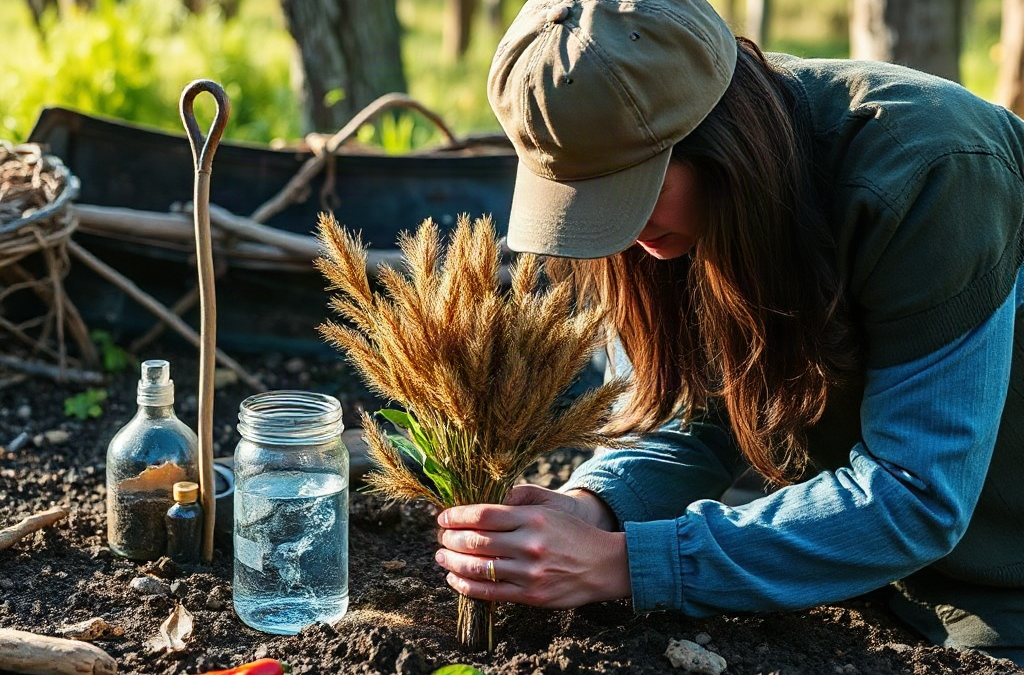
Dependable homesteading knowledge is built by matching reliable instruction with repeated, recorded practice in the conditions where the skills will actually be used. Begin with water, soil, food safety, tool handling, animal care, and local rules, then test each lesson through a small, low-risk project.

by Julian Chandler | Sep 12, 2026 | Homesteading
Homesteading can be cheaper when tracking costs and savings shows that useful harvests, preserved food, and avoided purchases exceed feed, seed, utilities, repairs, and equipment depreciation. A monthly ledger should separate recurring operating costs from long-lived infrastructure and record only food that is actually eaten, sold, or bartered.