
by Julian Chandler | Sep 12, 2026 | Homesteading
Homesteading subscription boxes are most worthwhile when their tools and supplies match work already scheduled on the property, cost less than comparable items bought separately, and arrive without creating duplicates or seasonal waste. Tool-focused boxes generally offer longer-lasting value but risk including low-quality or redundant hand tools, while seed, repair…
by Julian Chandler | Sep 11, 2026 | Homesteading
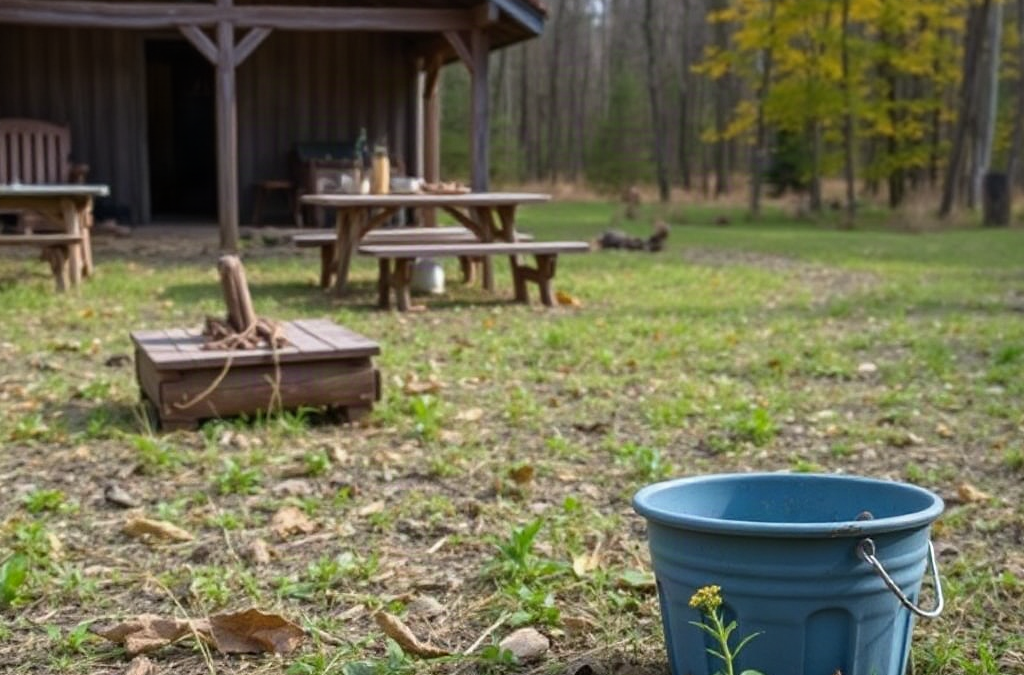
Kentucky homesteading succeeds when climate, land, and laws are evaluated together before a parcel is purchased. Screen each property for seasonal rainfall, summer humidity, winter exposure, soil drainage, dependable water, road access, and usable acreage rather than relying on total lot size.
by Julian Chandler | Sep 11, 2026 | Homesteading
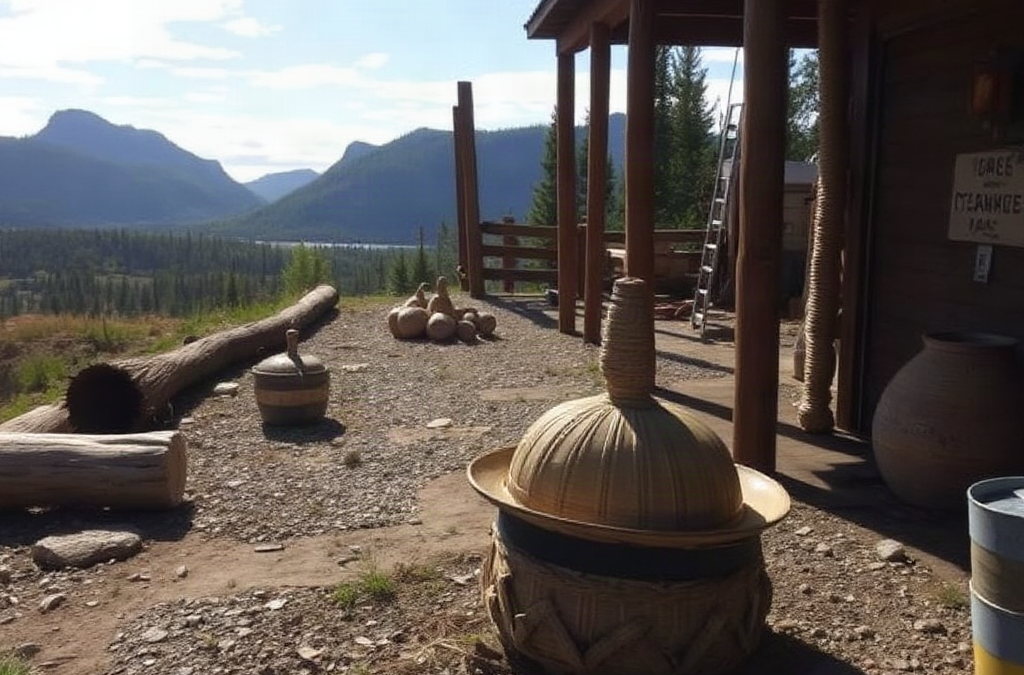
Government land programs for homesteading generally do not provide free federal acreage; eligibility usually applies to public-land sales, USDA financing, or local incentive programs with specific use conditions. Applicants may need proof of legal residency, financing, development capacity, and the ability to meet construction, occupancy, agricultural, or property-maintenance deadlines.
by Julian Chandler | Sep 11, 2026 | Homesteading
The best places to live for homesteading balance a workable climate, dependable water, affordable property, permissive zoning, and reliable access rather than excelling in only one category. A cheap rural parcel may become costly if it needs a deep well, extensive fencing, winter feed storage, or a long all-weather driveway.
by Julian Chandler | Sep 10, 2026 | Homesteading
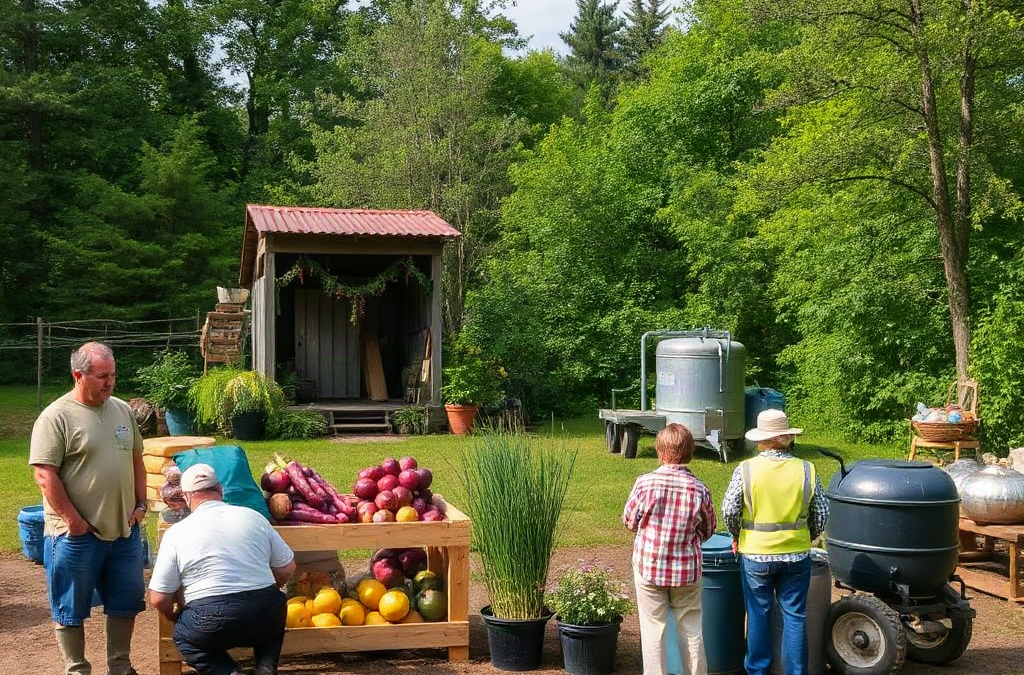
Intentional homesteading aligns production with values by deciding what the household wants its food, land, labor, animals, and spending to accomplish before choosing projects. A workable plan translates priorities such as humane animal care, soil improvement, lower purchased-input use, or household food security into specific enterprises and limits.


