by Homesteading Lifestyle Editorial Team | Nov 16, 2026 | Homesteading
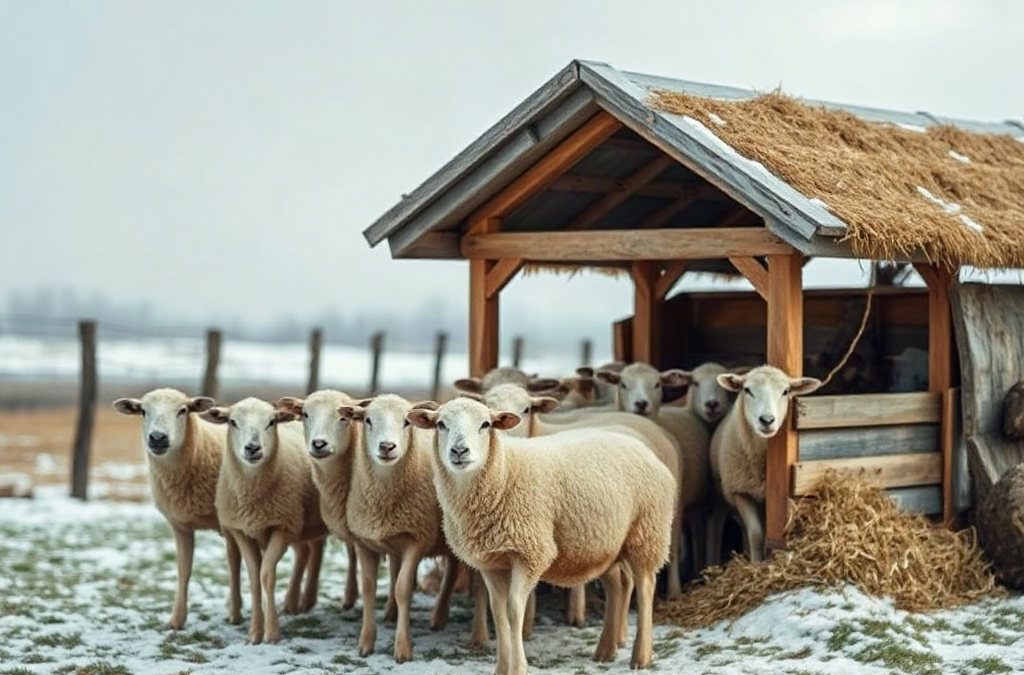
Homesteading sheep successfully means coordinating pasture, shelter, and winter preparation so forage, dry bedding, water, and body condition do not deteriorate at the same time. Rotate grazing before plants are cropped too closely, provide a draft-protected but ventilated shed, and reserve a sacrifice area for periods when grazing would damage wet or dormant ground.
by Homesteading Lifestyle Editorial Team | Nov 5, 2026 | Homesteading
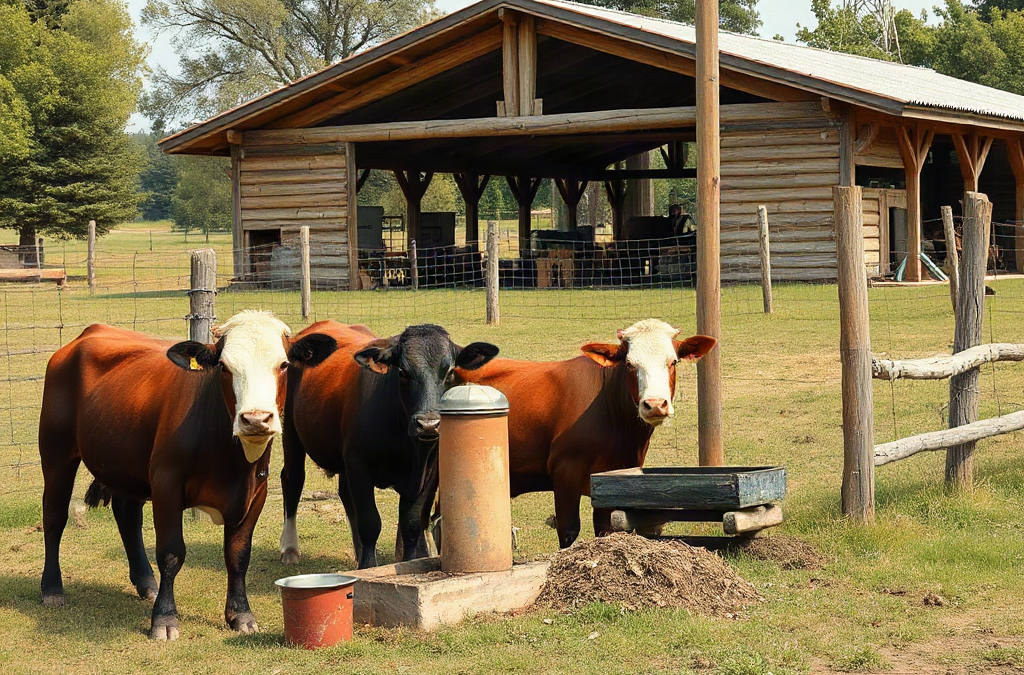
Cow farming for beginners depends on matching daily care to infrastructure that keeps cattle fed, watered, contained, observable, and safely handled. Before animals arrive, establish reliable fencing, an all-weather water source, dry footing, feed storage, shade or shelter, and a pen where one cow can be separated.
by Homesteading Lifestyle Editorial Team | Nov 4, 2026 | Homesteading
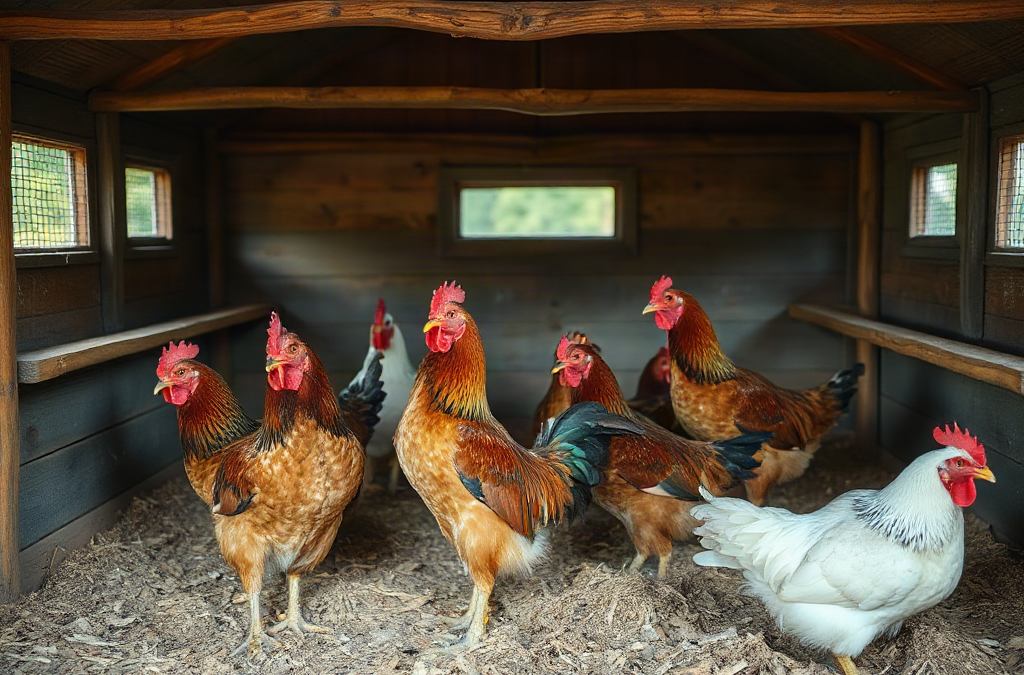
Chicken farming for beginners without overcrowding or waste depends on matching flock size to usable coop and run space, then controlling feed, water, bedding, and manure at their sources. Count only floor area the birds can actually occupy, allow enough feeder and roost access to reduce competition, and expand capacity before adding hens.
by Homesteading Lifestyle Editorial Team | Oct 21, 2026 | Homesteading
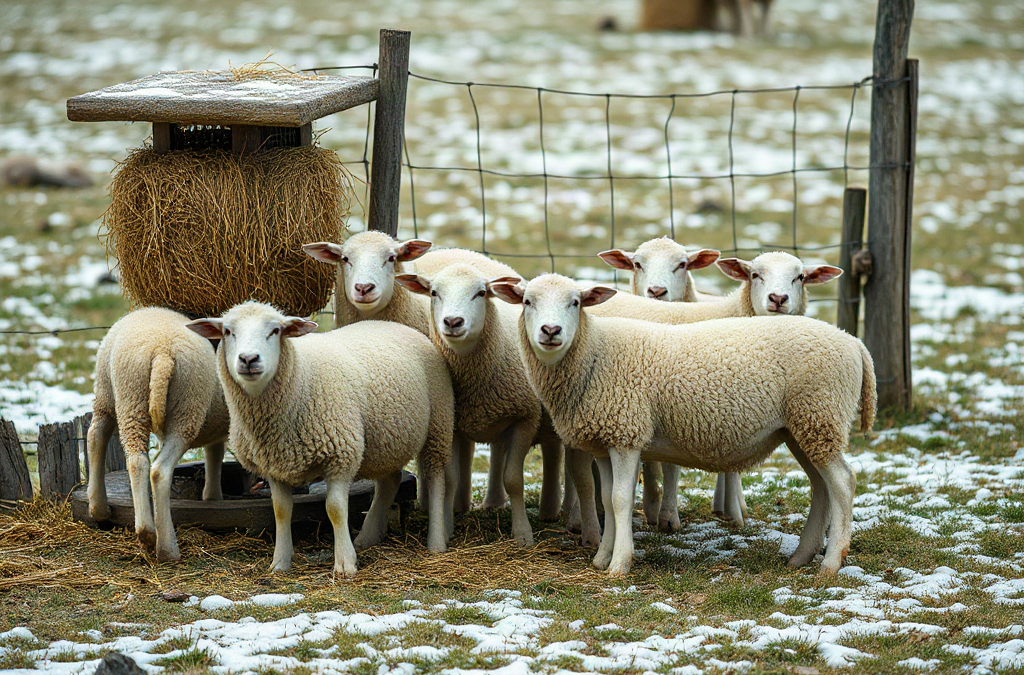
Keeping sheep for beginners through seasonal care demands means matching pasture, feed, shelter, and health checks to the flock’s changing needs throughout the year. Spring usually brings rapid grass growth, lambing decisions, and rising parasite exposure; summer calls for reliable water, shade, and pasture management.
by Homesteading Lifestyle Editorial Team | Oct 20, 2026 | Homesteading
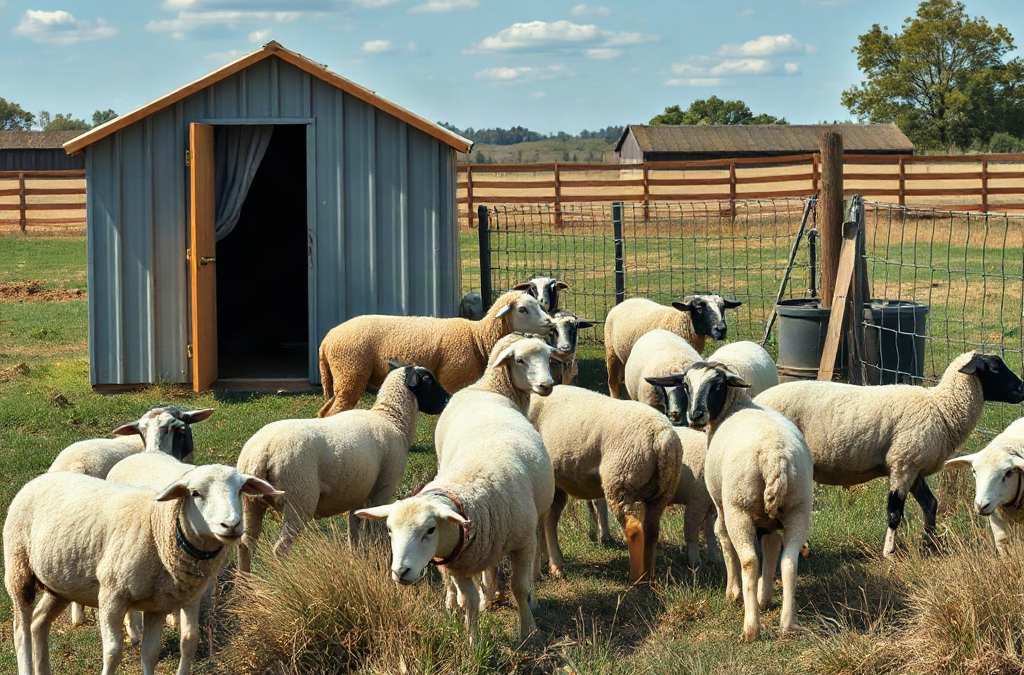
Sheep farming for beginners succeeds when shelter, pasture, and parasite control are managed as one system rather than separate chores. Sheep need a dry, draft-protected resting area, secure fencing, clean water, and enough forage to avoid grazing plants down to the soil.
by Homesteading Lifestyle Editorial Team | Oct 18, 2026 | Homesteading
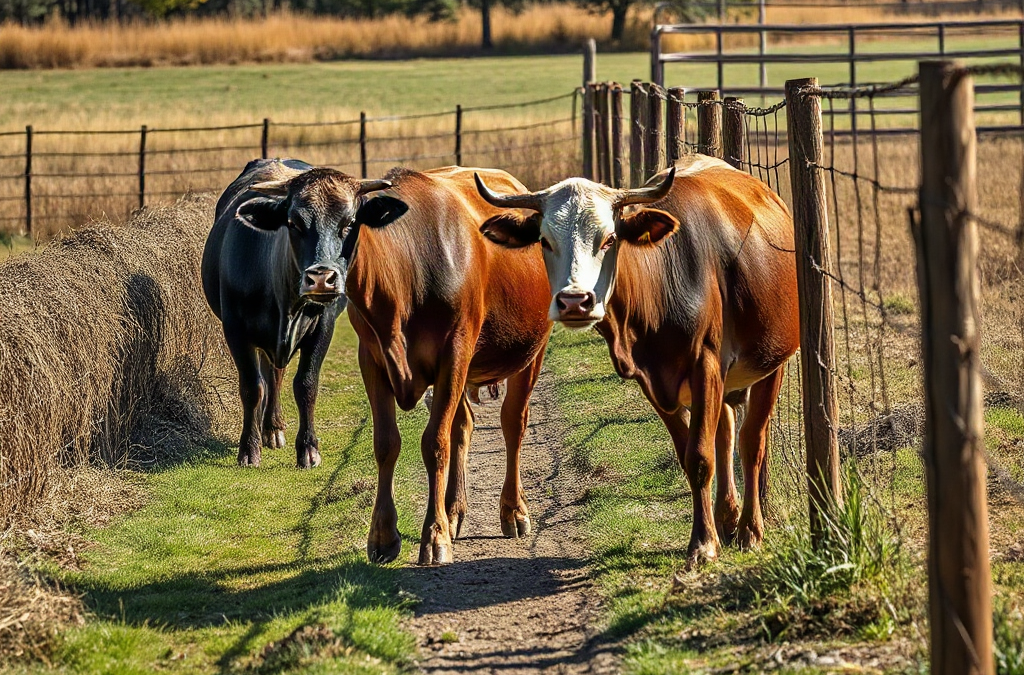
Raising cattle for beginners means coordinating fencing, feed, and handling so animals remain contained, maintain suitable body condition, and move without unnecessary pressure. Build and inspect a dependable perimeter before cattle arrive, then use cross-fencing only where it improves grazing control or access.