Engaging children in homesteading activities can be achieved through hands-on projects like gardening, animal care, and cooking. These activities not only teach essential life skills but also foster a sense of responsibility and connection to nature. For example, involving children in planting a vegetable garden allows them to learn about food sources while enjoying outdoor time. Additionally, teaching them to care for animals helps develop empathy and understanding of farm life. Overall, these experiences can cultivate a love for homesteading and sustainable living.
Gardening Together: Planting the Seeds of Knowledge
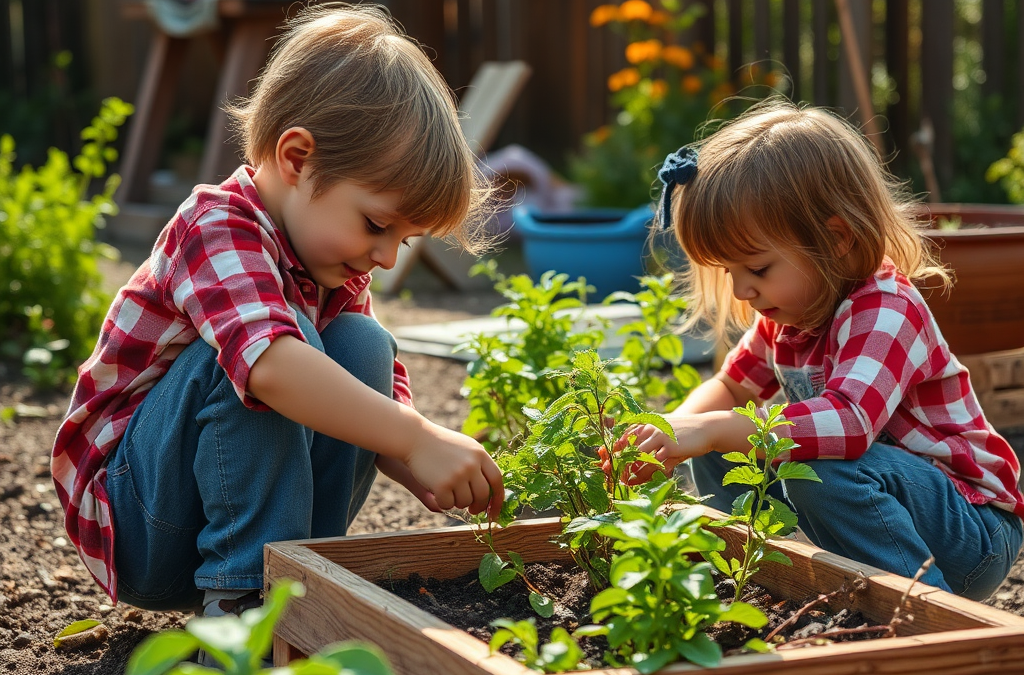
One of the most effective ways to engage children in homesteading activities is through gardening. Planting a garden together offers children a chance to learn about the life cycle of plants, the importance of healthy eating, and the concept of sustainability. By involving them in selecting seeds, preparing the soil, and maintaining the garden, children develop a sense of ownership and responsibility.
For instance, children can start with easy-to-grow plants like radishes or sunflowers, which provide quick results and keep their interest alive. They can learn about watering, weeding, and even pest control, integrating valuable lessons about nature and ecology. Moreover, discussing the nutritional value of the vegetables they grow can encourage healthier eating habits.
A common mistake parents make is to take over the process, which can diminish the child’s engagement. It’s essential to allow kids to make decisions and learn from their mistakes, fostering independence and confidence. Overall, gardening together not only nurtures their interest in homesteading but also strengthens family bonds through shared experiences.
Animal Care: Responsibilities and Rewards
Caring for animals is another exciting way to engage children in homesteading activities. Whether it’s chickens, goats, or rabbits, each animal offers unique opportunities for learning and responsibility. Teaching children how to feed, groom, and clean up after animals helps instill a sense of duty and compassion.
For example, children can be responsible for collecting eggs from chickens or measuring feed for goats. These tasks help them understand the effort involved in animal husbandry and the importance of animal welfare. Additionally, learning about the different breeds and their needs can spark an interest in biology and environmental science.
However, it’s crucial to set realistic expectations. Children may initially struggle with certain tasks, leading to frustration. Providing guidance while allowing them to take the lead fosters resilience and problem-solving skills. Engaging with animals enriches their understanding of nature and teaches valuable life lessons about care and responsibility.
Cooking from Scratch: A Culinary Adventure
Cooking is not only a practical skill but also a fun way to engage children in homesteading. Involving them in preparing meals from scratch encourages creativity and an appreciation for the food they consume. Start by teaching them simple recipes that incorporate ingredients from your garden or local farms.
For instance, making homemade pizza allows children to knead dough, roll it out, and select toppings, which can include fresh vegetables they grew themselves. This hands-on approach helps them understand the journey food takes from farm to table and the importance of fresh ingredients.
A common pitfall is overwhelming children with complicated recipes. Begin with straightforward dishes and gradually introduce more complex techniques as they gain confidence. Cooking together not only builds skills but also creates lasting memories, making it a perfect family bonding activity.
Crafting with Nature: Creative Projects
Another way to engage children in homesteading activities is through crafting with natural materials. This can include making bird feeders from pinecones and peanut butter, creating leaf rubbings, or building simple structures from twigs. These projects stimulate creativity and allow children to explore their environment.
For example, building a birdhouse can teach children about local bird species and their habitats. They will learn about sustainable materials and the importance of providing for wildlife. Encouraging them to decorate their creations fosters personal expression and pride in their work.

It’s important to ensure that crafting activities are age-appropriate and safe. Supervision may be required, especially when using tools or potentially hazardous materials. By combining creativity with education, crafting can significantly enhance a child’s appreciation of nature and their role within it.
Frequently Asked Questions
What age is appropriate for children to start homesteading activities?
Children as young as three can start with simple gardening tasks, while older kids can take on more responsibility with animals and cooking.
How can I keep children engaged in gardening?
Provide them with their own small garden space and let them choose what to plant to foster a sense of ownership.
What are some easy animals to care for?
Chickens and rabbits are great starter animals that require minimal care and can be very rewarding for children.
How can cooking be educational for children?
Cooking teaches children about nutrition, measurements, and the importance of fresh ingredients, all while being a fun activity.
What types of crafts can we do with natural materials?
Crafts like making bird feeders, leaf rubbings, and nature collages are excellent ways to engage children with the environment.
Conclusion
Engaging children in homesteading activities provides valuable lessons about responsibility, sustainability, and the environment. Through gardening, animal care, cooking, and crafting, children not only learn essential life skills but also develop a deeper connection to nature. By allowing them to take the lead in these activities, you foster independence and creativity. Encourage exploration and make these experiences enjoyable, ensuring that your children grow up with a love for homesteading and sustainable living.