
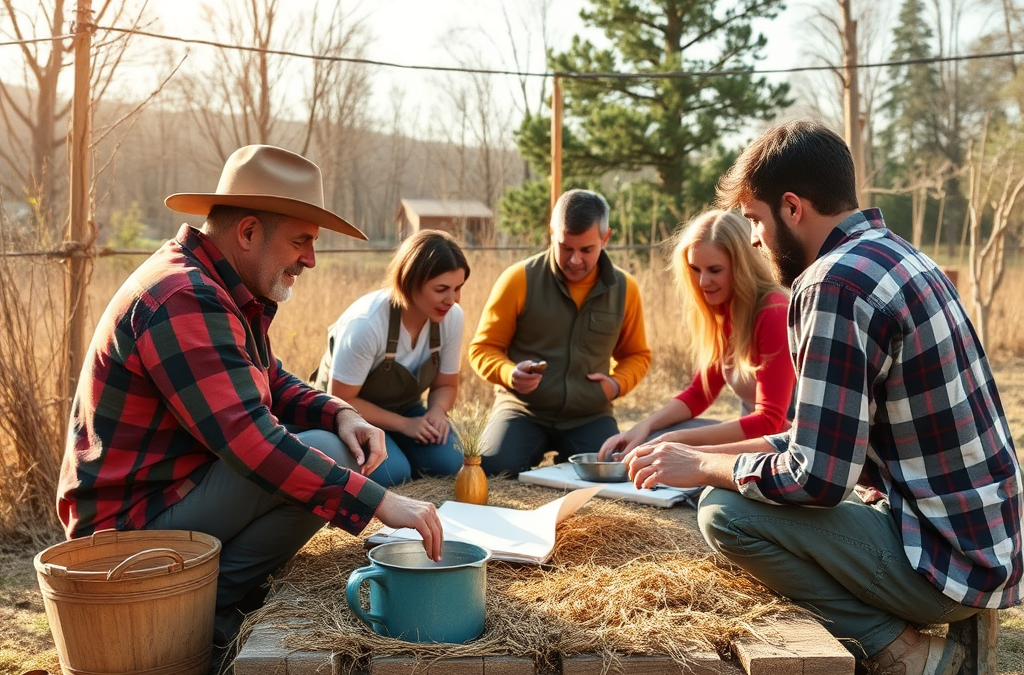
Building a homestead community requires intentional strategies that emphasize collaboration and support among members. Organizing regular meetings and creating shared spaces, such as community gardens, fosters interaction and teamwork. It’s vital to establish clear communication channels to address conflicts promptly and maintain an inclusive atmosphere. Regular feedback from members can help adapt to changing dynamics and enhance participation. By prioritizing these strategies, communities can cultivate strong relationships that contribute to long-term success and resilience.
Understanding Community Dynamics
Building a homestead community requires a deep understanding of community dynamics. The essence of a successful community lies in the relationships between its members, which can significantly influence collaboration and support. Recognizing the different personalities, skills, and motivations of individuals is crucial. This understanding can help in creating a harmonious environment where everyone feels valued and heard.
Communities thrive when they foster a culture of inclusivity and respect. Establishing a sense of belonging is essential; members should feel that their contributions are important and that they have a stake in the community’s success. Regularly assessing community needs and gathering feedback can help in adapting to changing dynamics and ensuring that all voices are considered.
Common pitfalls include neglecting communication and failing to address conflicts promptly. Misunderstandings can lead to tension, which, if left unresolved, can fracture the community. By prioritizing open dialogue and encouraging members to express their concerns, communities can build trust and resilience.
Creating Collaborative Spaces
Physical spaces play a critical role in fostering collaboration within a homestead community. Creating shared areas for meetings, workshops, and social gatherings can enhance interaction and promote teamwork. These spaces should be accessible and comfortable, encouraging members to spend time together and engage in discussions that strengthen bonds.
Community gardens serve as an excellent example of collaborative spaces. Not only do they provide fresh produce, but they also offer opportunities for members to work together, learn from each other, and share gardening techniques. Establishing a community garden requires careful planning, including deciding on the location, size, and types of plants to grow. Involving all members in the decision-making process ensures that the garden reflects the community’s interests and needs.
Moreover, hosting regular events such as potlucks, skill-sharing workshops, or seasonal festivals can further enhance the sense of community. These gatherings allow members to showcase their talents and share knowledge while enjoying social interactions. Such events help solidify relationships and create lasting memories.
Resource Sharing and Skill Exchange
Resource sharing is a cornerstone of successful homestead communities. Members can pool their resources, such as tools, seeds, and knowledge, to maximize efficiency and minimize costs. Establishing a resource library or tool shed where members can lend and borrow items fosters a spirit of cooperation and reduces individual expenses.
Skill exchange programs can also be beneficial. By encouraging members to teach each other various skills—such as woodworking, canning, or animal husbandry—communities can enhance their collective knowledge base. This not only empowers individuals but also strengthens the community as a whole. Regular workshops or classes where members can share their expertise can be organized, creating a culture of lifelong learning.
However, it is essential to set clear guidelines for resource sharing to avoid misunderstandings. Defining usage policies, responsibilities for borrowed items, and a schedule for workshops can help maintain order and ensure that everyone benefits fairly.
Conflict Resolution Strategies
Conflicts are inevitable in any community, but how they are handled can make a significant difference in the overall health of the group. Establishing clear conflict resolution strategies is essential for maintaining harmony. Encouraging open communication and creating a safe space for members to voice their concerns can prevent misunderstandings from escalating.

One effective approach is to designate conflict mediators within the community. These individuals can be trained to facilitate discussions and help resolve disputes amicably. They act as neutral parties, ensuring that all perspectives are considered and working towards a fair resolution.
Another strategy involves holding regular community meetings where members can discuss issues openly. These meetings can serve as a platform for addressing grievances before they grow into larger conflicts. By fostering a culture of transparency and accountability, homestead communities can navigate challenges more effectively and emerge stronger.
Building a homestead community requires continuous learning and adaptation. For more insights and resources, consider exploring local community-building workshops, agricultural extension programs, or online platforms dedicated to homesteading and sustainable living.
Frequently Asked Questions
What are the key benefits of building a homestead community?
Building a homestead community fosters collaboration, reduces costs through resource sharing, and enhances social connections among members.
How can we encourage participation in community activities?
Encouraging participation can be achieved by organizing engaging events, promoting skill-sharing opportunities, and fostering an inclusive environment where everyone feels welcome.
What should we do if conflicts arise within the community?
Address conflicts promptly through open communication, mediation, and by fostering a culture of respect and understanding among members.
What role does a community garden play in building relationships?
A community garden serves as a collaborative space where members can work together, share gardening knowledge, and strengthen social ties through shared activities.

