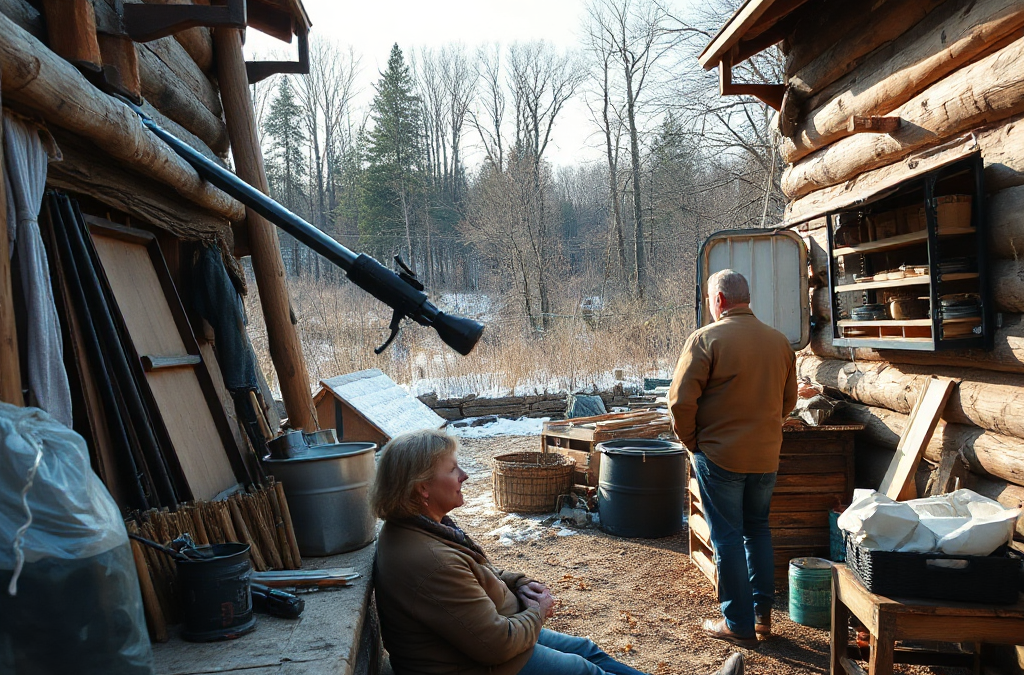
To effectively plan for seasonal changes, you should assess your local climate patterns, select appropriate crops or livestock, and prepare your homestead for varying weather conditions. This involves understanding the seasonal growing cycles, ensuring proper storage for harvested goods, and adjusting your gardening techniques accordingly. Additionally, creating a flexible schedule that accommodates seasonal tasks can enhance productivity and mitigate risks associated with unexpected weather events.
Understanding Seasonal Changes
To effectively plan for seasonal changes, it is crucial to understand the distinct climate patterns that occur throughout the year in your region. These patterns influence everything from the types of crops you can grow to the animals you can raise. Understanding the average temperatures, frost dates, and precipitation levels for each season can help you make informed decisions about your homesteading activities.
For instance, knowing when the last frost typically occurs in spring allows you to time your planting accurately. Similarly, understanding the likelihood of extreme weather events, such as droughts or heavy rains, can help you prepare your infrastructure and resources accordingly. By integrating this knowledge into your planning, you can enhance the resilience of your homestead against seasonal fluctuations.
Planning Your Garden and Livestock
When planning for seasonal changes, one of the most critical aspects is selecting the right crops and livestock for your environment. Each plant and animal has specific growing seasons and environmental needs, which must align with your local climate. For example, cool-season crops like spinach and kale thrive in the spring and fall, while warm-season crops like tomatoes and peppers prefer the summer months.
Additionally, consider your livestock management. Certain breeds of animals are better suited for specific climates. For example, goats are generally more adaptable to various climates, while breeds like Jersey cows may require more temperate conditions. Ensuring that your livestock has adequate shelter and access to water during extreme weather conditions is essential for their health and productivity.
A common mistake is planting or introducing livestock without fully understanding their seasonal needs. This can lead to poor yields or animal health issues. Therefore, conducting thorough research and potentially consulting with local agricultural extensions can provide valuable insights into the best choices for your specific situation.
Preparing Your Homestead for Weather Variability
Preparing your homestead for weather variability involves assessing and possibly upgrading your infrastructure. This can include building or reinforcing shelters for animals, ensuring your water supply is reliable, and creating drainage systems to manage excess rainwater. Additionally, consider implementing water conservation techniques, such as rainwater harvesting, to ensure you have adequate resources during dry seasons.
Another vital aspect is the storage of harvested goods. As seasons change, the storage needs for your produce will also differ. For instance, root vegetables can be stored for extended periods in cool, dark places, while fruits may require refrigeration or special conditions to prevent spoilage. Understanding these requirements can help you minimize waste and maximize your harvest.
A common misconception is that all homesteading tasks can be completed in a single season. In reality, effective planning requires year-round attention and preparation. Be proactive in implementing changes and upgrades before the seasons shift to ensure a smooth transition.
Creating a Flexible Seasonal Schedule
Creating a flexible seasonal schedule is essential for managing your homestead effectively throughout the year. This schedule should account for planting, harvesting, maintenance tasks, and animal care, with an understanding that weather conditions can impact these activities. For example, if a late frost is forecasted, you may need to delay planting or take protective measures.
Incorporating buffer times into your schedule allows for unexpected delays or changes in weather. It’s also beneficial to keep a record of past seasons to identify trends and adjust your future planning accordingly. This practice can help you anticipate challenges and seize opportunities for improvement.

Additionally, engaging with local homesteading communities can provide insights and support. Sharing experiences and tips can enhance your adaptability and preparedness for seasonal changes. Ultimately, a well-thought-out schedule will help you maintain productivity and ensure that your homestead thrives through the changing seasons.
Frequently Asked Questions
What are the first steps to prepare for seasonal changes?
Begin by assessing your local climate, understanding seasonal patterns, and selecting appropriate crops and livestock that thrive in your region.
How can I protect my crops from unexpected weather changes?
Utilize protective coverings, such as row covers or greenhouses, and implement proper irrigation systems to safeguard against frost and drought.
What should I consider when planning livestock for seasonal changes?
Choose breeds suited for your climate, ensure adequate shelter and water access, and monitor their health closely during extreme weather conditions.
How can I create an effective seasonal schedule?
Incorporate planting and harvesting dates, maintenance tasks, and buffer times for unexpected weather changes to maintain flexibility and productivity.
What are common mistakes when planning for seasonal changes?
Avoid underestimating the impact of weather on your homestead, failing to prepare infrastructure improvements, and neglecting to adjust schedules for changing conditions.
Conclusion
Effectively planning for seasonal changes is fundamental to successful homesteading. By understanding your local climate, selecting suitable crops and livestock, and preparing your infrastructure, you can navigate the challenges that arise with changing seasons. Establishing a flexible schedule will further enhance your ability to adapt. Focus on proactive measures and continuous learning to optimize your homesteading efforts throughout the year.