
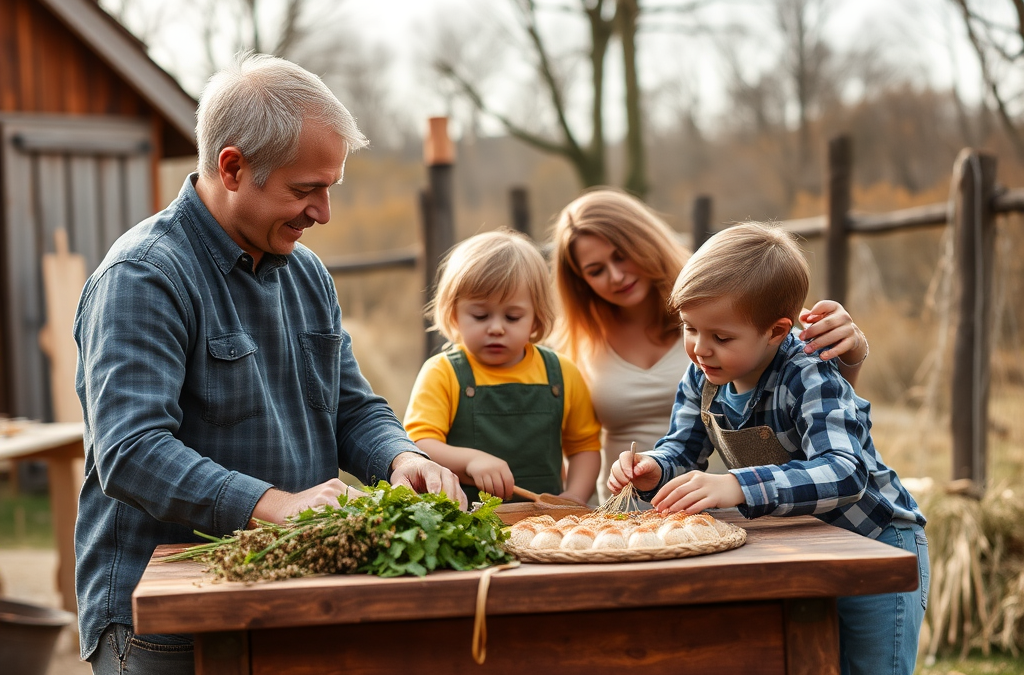
Creating a family-friendly homesteading plan involves integrating activities that engage all family members while ensuring sustainable living practices. Start by assessing your family’s interests and skills to tailor tasks such as gardening, animal care, or food preservation. Include educational opportunities like workshops and hands-on projects that foster teamwork and learning. Prioritize safety and age-appropriate responsibilities to encourage participation and build confidence among children and adults alike.
Understanding Family Roles in Homesteading
In a successful family-friendly homesteading plan, understanding and defining family roles is crucial. Each family member should have specific responsibilities that align with their interests and abilities, fostering a sense of ownership and involvement. For instance, children may enjoy tasks like planting seeds or caring for small animals, while adults can manage more complex activities such as building garden beds or maintaining equipment.
Recognizing individual strengths allows for a more productive and harmonious homesteading environment. One common mistake is assigning tasks based solely on age rather than capability, which can lead to frustration or disengagement. Instead, evaluate what each person enjoys and is capable of doing. This approach not only enhances productivity but also strengthens family bonds through shared experiences.
Designing a Cohesive Family-Friendly Plan
When designing a family-friendly homesteading plan, it’s essential to create a cohesive structure that incorporates everyone’s input. Start by holding a family meeting to discuss ideas and aspirations for the homestead. This collaborative approach ensures that everyone feels valued and invested in the process.
Consider creating a visual plan, such as a family calendar or a chore chart, to outline tasks and responsibilities. This not only helps in organizing activities but also allows family members to track progress and celebrate achievements together. A common oversight is failing to revisit and adjust the plan as needed. Regularly assess what is working and what isn’t, and be flexible enough to make changes that enhance engagement and productivity.
Implementing Engaging Activities
Engaging activities are vital for maintaining interest and enthusiasm in homesteading. Incorporate a variety of tasks that appeal to different ages and skill levels. For younger children, consider hands-on projects like crafting birdhouses or planting a sensory garden with various textures and smells. For older children and adults, more complex tasks such as canning food or building structures can provide both challenge and satisfaction.

One effective approach is to rotate responsibilities so that family members can try different roles throughout the season. This not only keeps activities fresh but also helps everyone develop a broader skill set. However, be mindful of overloading schedules; balance is key. Too many tasks can lead to burnout, especially in families with young children. Ensure there’s time for fun and relaxation amidst the work.
Safety Considerations for All Ages
Safety is a paramount concern when engaging the entire family in homesteading activities. It’s crucial to assess the potential hazards associated with various tasks and provide appropriate training and supervision. For example, when using tools or machinery, ensure that adults are present to guide younger family members.
Additionally, establish safety protocols for outdoor activities, such as wearing gloves while gardening or using sunscreen during sunny days. A common mistake is underestimating the risks involved in seemingly simple tasks, which can lead to accidents. Regularly review safety practices with the family to reinforce their importance and adapt as children grow and take on more responsibilities.


