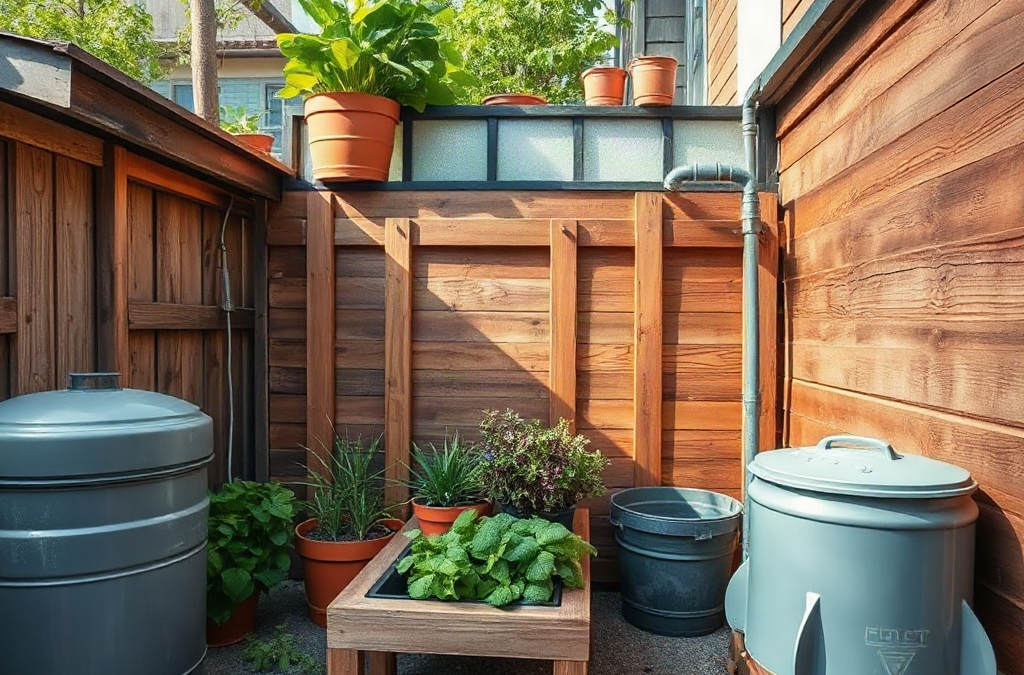
Urban homesteading methods for small properties work best when limited space is assigned to high-yield food production, modest water capture, and compact systems that fit local rules and daily routines. Prioritize sun exposure, reliable access to water, soil safety, and crops that produce repeatedly, such as herbs, salad greens, tomatoes, peppers, and climbing beans. Vertical trellises, container beds, espaliered fruit, worm composting, and rain barrels can increase output without overcrowding the yard. The main mistake is adding projects before measuring sunlight, water demand, storage space, and available time. A productive urban setup should reduce waste and household costs without creating maintenance, drainage, pest, or neighborhood problems.
Assess the Property Before Adding Projects
A small urban property should be treated as a set of useful conditions rather than as a miniature rural farm. Sunlight, water access, soil quality, storage, drainage, and local restrictions determine which projects are sensible. Walk the property at several times of day and note direct sun on the ground, reflected heat from walls, prevailing wind, roof runoff, and areas that remain damp. A sunny fence line may be better for trellised crops than a larger but shaded lawn.
Measure before buying materials. Record the dimensions of planting areas, the distance from outdoor taps, and the space required to move bins, hoses, bicycles, and household equipment. A narrow path that disappears behind raised beds becomes a daily nuisance, while a container garden positioned near the kitchen may receive more attention and produce more food. Property assessment also reveals hazards: old paint, treated lumber, compacted soil, standing water, and runoff from driveways may make in-ground growing inappropriate.
Compare permanent structures with flexible systems. A fixed greenhouse, shed, or chicken coop may offer long-term value, but containers, modular trellises, and fabric grow bags are easier to relocate if the household changes. Check municipal rules, homeowners association documents, landlord conditions, and utility locations before installing fences, rainwater equipment, animals, or permanent foundations. Rules vary by location, so local authorities are the appropriate source for current requirements.
A useful first project is a measured trial rather than a complete conversion. Grow a few crops in the brightest suitable area, track watering and harvests, and observe whether the system interferes with normal household movement. This creates a realistic baseline for Urban homesteading methods for small properties instead of relying on assumptions about how much time or space is available.
Build a Compact Food-Producing Layout
Compact food production depends on choosing crops by harvest value, not simply by popularity. Herbs, leafy greens, scallions, radishes, strawberries, dwarf tomatoes, peppers, and climbing beans can produce useful harvests in containers or narrow beds. Crops that occupy substantial space for one infrequent harvest, such as large pumpkins or sprawling corn, may be poor choices where every square foot must earn its place.
Use vertical space only when the support is strong and the crop matches it. Trellises can lift cucumbers, peas, pole beans, and small melons away from walkways, but they also increase wind exposure and may shade plants behind them. Place taller structures on the side that least blocks the sun, and anchor them securely before vines become heavy. An espaliered fruit tree can use a wall efficiently, although it requires pruning and several seasons of patience rather than producing an immediate harvest.
Raised beds are useful when existing soil is contaminated, compacted, or poorly drained, but they are not automatically more productive. They dry faster than ground beds and require more purchased soil. Containers offer control and portability, yet small pots heat up and need frequent watering. A larger container with drainage holes usually provides a more forgiving root environment than several tiny decorative pots.
Plan succession planting so the same area produces more than once. Fast greens can occupy a bed before peppers fill out, and a spent spring crop can be replaced with fall greens. Keep a simple record of planting dates, harvest duration, pest damage, and watering effort. A crop that looks productive but demands constant rescue may be less suitable than a modest crop that reliably fits the household schedule. For more context on layout decisions, connect these choices with Urban homesteading methods for small properties.
- Place frequently harvested crops closest to the kitchen.
- Reserve the brightest locations for fruiting plants.
- Use vertical supports for climbing crops, not as decoration.
- Leave access space for watering, harvesting, and repairs.
Manage Water, Soil, and Organic Waste
Water management often determines whether an urban garden remains practical through summer. Containers, dark paving, and south-facing walls can increase evaporation, while roof overhangs may prevent rain from reaching beds. Group plants with similar moisture needs, mulch exposed soil, and place containers where a hose can reach without crossing a busy walkway. Drip irrigation or carefully adjusted soaker lines can reduce hand-watering, but they still need inspection for blocked emitters and leaks.
Rain barrels may reduce dependence on treated household water for ornamental plants or gardens where permitted, but their capacity is limited. A small barrel fills quickly during a storm and empties quickly during a dry period. It should have a secure lid, an overflow route that does not undermine foundations, and screening that limits debris and mosquito access. Never assume collected water is suitable for every use; follow local guidance and avoid using questionable water on edible crops.
Soil deserves equal attention. Urban fill can contain rubble, salts, or contaminants, and plants may respond poorly to compaction even when fertilizer is added. A soil test can guide amendments, while raised beds with known soil provide a cleaner, more controllable option where the ground is suspect. Avoid adding random compost, manure, or construction material. Compost that is immature may tie up nitrogen or attract pests, and manure should be sourced and handled according to food-garden safety guidance.
Small-scale composting works when inputs are balanced and the container is managed. A sealed worm bin suits apartment patios or small yards, while a lidded compost tumbler may handle larger volumes. Excess wet food scraps create odor; too much dry carbon slows decomposition. Keep meat, dairy, diseased plant material, and invasive weeds out unless the selected system and local guidance specifically support them. The common failure is treating compost as a disposal bin rather than a managed biological process.
Choose Livestock and Preservation Systems Carefully
Urban homesteading does not require livestock. Chickens, rabbits, bees, or quail may provide eggs, manure, pollination, or companionship, but they also add daily care, noise, odor, feed storage, predator risk, and legal obligations. A productive garden, pantry, and compost system may provide more value with less complexity than animals on a very small lot.
Consider the full operating requirement rather than the attractive output. Chickens need predator-resistant housing, clean water, appropriate feed, ventilation, waste management, and a plan for care during travel. Bees require training, protective equipment, suitable placement, and tolerance for seasonal management. Rabbits can fit a small footprint, but heat, sanitation, breeding decisions, and the handling of manure still require planning. Local ordinances and neighborhood conditions should be checked before acquiring any animal.
Preservation often delivers a better return from limited growing space because it extends the value of small harvests. Freezing herbs in measured portions, drying fully mature seeds, fermenting suitable vegetables, or storing cured crops can prevent a few productive weeks from becoming waste. Canning requires tested recipes, correct acidity or pressure-processing methods, and careful sanitation; improvising jar-processing times is not a safe shortcut.

Match preservation to the crop and the household. A freezer is convenient but depends on electricity and storage room. Dehydrating reduces volume but requires reliable drying and airtight storage. Fermentation can handle certain vegetables without expensive equipment, yet temperature, salt, cleanliness, and mold inspection matter. The mistake is building a preservation system before measuring actual harvest quantities. Start with one method that solves a recurring problem, then expand if the routine remains manageable.
Create a Routine That Fits Urban Life
The strongest small-property system is the one that survives busy weeks. Divide work into brief recurring tasks: checking moisture, harvesting ripe produce, inspecting leaves, emptying kitchen scraps, and cleaning tools. A neglected container can decline quickly because its root volume is limited, while an in-ground bed may tolerate a short delay. Place high-maintenance crops where they are visible and low-maintenance perennials where they will not be forgotten.
Use a priority order when time is scarce. Protect drinking water and animal welfare first, then harvest ready food, address pest or disease problems early, and postpone cosmetic work. Removing a diseased leaf or repairing a leaking hose may prevent a larger loss, whereas repainting a planter can wait. Signs that the system is working include regular harvests, manageable watering, clean access paths, and supplies that are easy to locate.
Signs of failure are equally useful. Wilting plants despite frequent watering may indicate undersized containers, blocked drainage, or root damage rather than a need for more water. Persistent odors suggest excessive moisture or poor compost balance. Repeated pest outbreaks may reflect overcrowding, stressed plants, or an unsuitable crop choice. Reducing the number of plant varieties is often more effective than adding treatments.
Review the setup at the end of each growing period. Keep the crops that earned their space, replace those that demanded excessive effort, and change only one or two variables at a time. A patio grower may reasonably prioritize herbs, greens, and peppers, while a homeowner with a sunny side yard may add trellises, fruit shrubs, and rain management. The aim is resilient household usefulness, not maximum project count. That judgment is central to Urban homesteading methods for small properties.
Frequently Asked Questions
What is the best first project on a small urban property?
Begin with a small container or raised bed near a water source. Choose a few productive crops and measure the time required before adding structures or animals.
Can urban homesteading work without a yard?
Yes. Balconies, patios, windowsills, and community plots can support herbs, greens, microgreens, seedlings, and compact fruiting plants, subject to weight, light, and building restrictions.
Are raised beds better than containers?
Raised beds generally hold moisture and root space better, while containers offer portability and tighter control over soil. The better choice depends on drainage, available ground, mobility, and watering capacity.
How can a small property collect rainwater?
A permitted rain barrel connected to a downspout can collect water for appropriate outdoor uses. Include a secure cover, screened openings, overflow control, and a stable base.
Should urban homesteaders keep chickens?
Only when local rules, housing, daily care, feed storage, noise, sanitation, and travel arrangements are acceptable. A garden and preservation system may be a simpler starting point.
Conclusion
Small urban properties become more productive when each feature has a defined job. Measure sunlight and access first, then place high-value crops near the kitchen, use vertical growth where supports and light allow it, and manage soil and water before expanding. Composting, rain capture, and preservation can reduce waste, but each system needs safe handling and routine maintenance. Livestock should be considered only after the household can reliably manage daily care and local requirements. Track harvests, watering time, failures, and recurring chores for one season. Those observations will show which projects genuinely serve the household and which should be simplified, relocated, or removed.