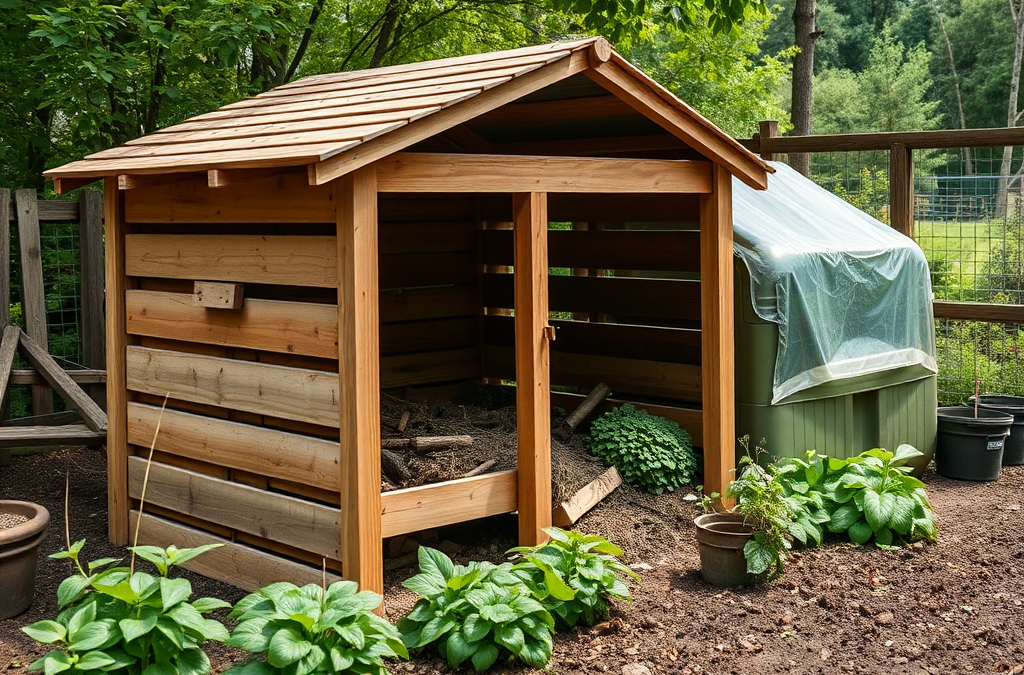
Building a sustainable compost system involves a few key steps: choosing a suitable location, selecting materials, maintaining proper moisture and aeration, and regularly turning the compost. Start by picking a dry, shaded spot near a water source, then layer green materials like vegetable scraps and brown materials like dried leaves. Monitor moisture levels and aerate the pile to speed up decomposition, and turn the compost every few weeks to ensure thorough mixing. This process creates nutrient-rich compost that enhances soil health and supports healthy plant growth.
Choosing the Right Location for Your Compost System
Picking the right location for your compost system is crucial for successful decomposition. Ideally, choose a spot that is dry, shaded, and easily accessible. Being near a water source can be beneficial for maintaining moisture levels. Avoid placing your compost in direct sunlight, as excessive heat can lead to rapid drying and hinder the decomposition process.
Additionally, consider the distance from your home and garden. A location that is too far may discourage regular maintenance, while one that is too close might attract unwanted pests. Ensure that the area has good air circulation, as proper airflow is essential for aerobic decomposition.
Selecting Materials for Composting
To build a sustainable compost system, it’s important to understand the types of materials you can use. Composting materials are generally divided into two categories: greens and browns. Greens include nitrogen-rich materials such as vegetable scraps, grass clippings, and coffee grounds. Browns consist of carbon-rich materials like dried leaves, straw, and cardboard.
For effective composting, aim for a balanced mix of greens and browns in a 1:3 ratio. Too many greens can lead to a smelly, soggy pile, while an excess of browns can slow down decomposition. Shredding larger materials like cardboard or branches can also help speed up the process by increasing surface area for microbes to work on.
Maintaining Your Compost System
Once your compost system is established, maintenance is key to ensuring it functions effectively. Regularly monitor the moisture levels in your compost pile; it should feel like a damp sponge, not soaking wet. If it gets too dry, add water or more green materials; if it’s too wet, incorporate more brown materials to help absorb excess moisture.
Aeration is another important aspect of compost maintenance. Turn the compost every few weeks using a pitchfork or shovel to introduce oxygen, which is necessary for aerobic bacteria to thrive. This not only helps speed up decomposition but also prevents the compost from becoming compacted, which can lead to odors.
Common Mistakes to Avoid
While composting can be relatively straightforward, several common mistakes can impede the process. One of the most frequent errors is not maintaining the right balance of green and brown materials, which can lead to odor issues or slow decomposition. Another mistake is failing to aerate the pile, which is essential for preventing compaction and promoting healthy microbial activity.
Additionally, avoid adding meat, dairy, or oily foods to your compost, as these can attract pests and create unpleasant odors. Lastly, be patient; composting takes time, and rushing the process can lead to subpar results.

Frequently Asked Questions
What materials can I compost?
You can compost vegetable scraps, fruit peels, coffee grounds, eggshells, grass clippings, dried leaves, and cardboard. Avoid meat, dairy, and oily foods.
How often should I turn my compost pile?
It’s recommended to turn your compost pile every 2-4 weeks to ensure proper aeration and decomposition.
How do I know when my compost is ready?
Your compost is ready when it is dark, crumbly, and has an earthy smell. It should no longer resemble the original materials.
Can I compost in winter?
Yes, you can compost in winter, but the process may slow down due to colder temperatures. Insulating your pile can help maintain heat.
Is it necessary to have a compost bin?
No, a compost bin is not necessary, but it can help keep your compost organized, contained, and protected from pests.