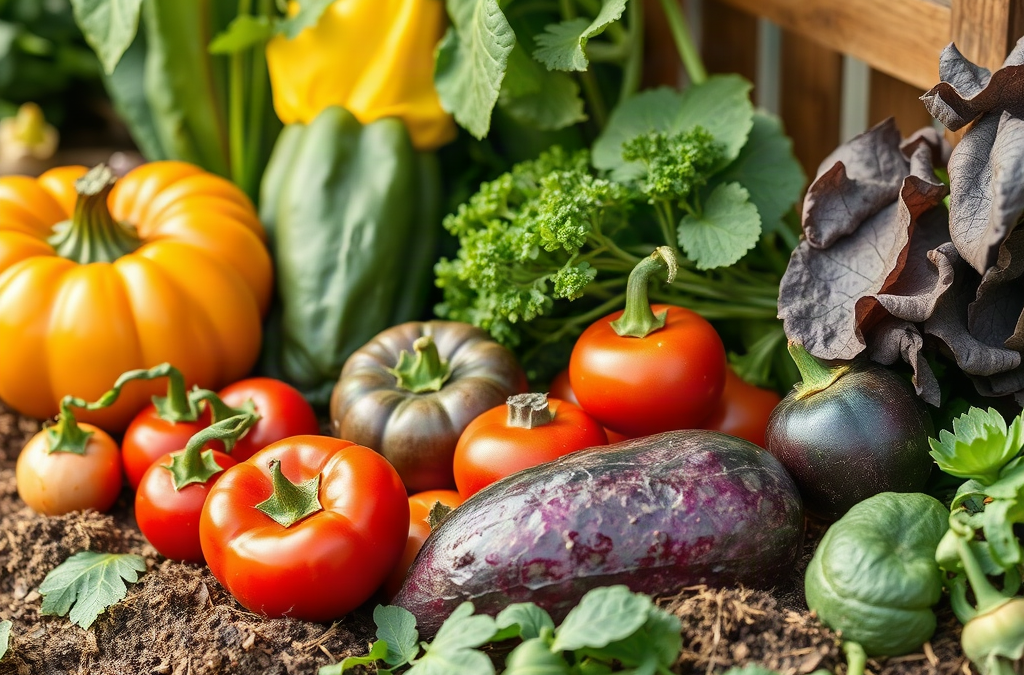
Planting vegetables for beginners works best when each crop is matched to its season and succession sowings are scheduled from the expected harvest date backward. Sow cool-season vegetables such as peas, lettuce, and radishes around frost-tolerant weather, then plant beans, cucumbers, and squash after the soil warms. Repeat quick crops every two to three weeks rather than sowing the entire seed packet at once, and reserve replacement space before the first crop finishes. Use local frost dates, seed-packet maturity ranges, and actual soil conditions as guides.
How Do Seasons Control Vegetable Planting?
Vegetable seasons are defined by temperature, frost risk, daylight, and soil condition rather than calendar labels alone. Two gardens in the same state may have different workable planting dates because elevation, wind exposure, slope, and nearby buildings affect how quickly soil warms and how readily cold air settles. A printed calendar is therefore a starting point, while conditions in the bed determine whether planting should proceed.
Cool-season crops tolerate chilly conditions and often decline when prolonged heat arrives. Peas, spinach, lettuce, radishes, carrots, beets, cabbage, and broccoli belong broadly in this group, although their tolerance varies. Pea and spinach seeds can germinate in relatively cool soil, but germination may be slow. Broccoli and cabbage are commonly transplanted so they can establish before hot weather. Lettuce may germinate poorly in hot soil and can bolt as days become warm and long.
Warm-season vegetables are damaged by frost and perform poorly in cold soil. Beans, cucumbers, squash, corn, tomatoes, peppers, and eggplants should follow the last-frost period, but frost date alone is not enough. Beans or cucumbers placed in wet, cold ground may rot or emerge unevenly. Tomatoes can survive a chilly transplanting without visible frost damage yet remain stalled. Waiting until the soil and nights are reliably warmer often produces stronger growth than planting at the first technically frost-free opportunity.
Use frost dates as probability markers, not promises. The average last spring frost indicates when freezing weather becomes less likely, while the average first autumn frost helps define the remaining growing window. Check a local extension planting calendar, then compare it with the maturity range on the seed packet. Add extra time for short autumn days because crops usually mature more slowly in fall than the packet estimate suggests.
A simple field check prevents many early failures. Soil should crumble when handled rather than smear into a dense ribbon or remain in a dripping clump. If working the bed leaves shiny, compacted surfaces, let it drain before cultivating or sowing. A beginner gains more from planting a few crops into suitable ground than from following a date while ignoring saturated soil, an incoming freeze, or an extended heat spell.
A Practical Seasonal Vegetable Planting Plan
A useful first-year plan divides the growing period into cool spring, warm summer, and cool autumn windows. This structure is more dependable than attempting every crop at once, and it makes bed space easier to manage. Exact dates remain local, but the sequence stays broadly useful: hardy vegetables first, frost-sensitive vegetables after warming, and another round of cool crops as summer heat eases.
| Planting window | Suitable examples | Main decision signal | Frequent mistake |
|---|---|---|---|
| Early cool season | Peas, spinach, radishes, carrots | Workable soil and crop frost tolerance | Sowing into saturated ground |
| Late cool season | Lettuce, beets, cabbage transplants | Enough mild weather before heat | Planting more than can be harvested |
| Warm season | Beans, cucumbers, squash, tomatoes | Frost risk has passed and soil has warmed | Using the frost date as a guarantee |
| Late summer for fall | Kale, carrots, turnips, spinach | Enough remaining time before hard freezes | Starting fall crops too late |
In spring, direct-sow crops that dislike root disturbance, including peas, carrots, and radishes. Transplants are more practical for crops needing a head start, such as tomatoes, peppers, cabbage, and broccoli. Buying a few sturdy transplants can be more sensible for a beginner than maintaining indoor seedlings under inadequate light. Direct sowing costs less, but it leaves germinating seed exposed to crusted soil, drying, pests, and erratic temperatures.
Summer planting should account for mature plant size and harvest workload. One zucchini plant can occupy far more room than a row of radishes, while pole beans use vertical space but require a trellis. Tomatoes remain in place for months, so putting them where a fall bed is planned creates a scheduling conflict. Draw the summer layout before planting and mark which spaces are expected to open early enough for autumn sowing.
Fall crops must usually be started while summer vegetables are still producing. For example, carrots intended for autumn harvest may need to be sown during hot weather, when their shallow seedbed dries quickly. Shade cloth or a light board placed temporarily over a watered row can conserve surface moisture, but any solid cover must be checked daily and removed as seedlings emerge. Broccoli or kale transplants can be raised separately while beans finish, reducing the time the bed sits empty.
Keep the first plan narrow: choose two quick cool-season crops, two summer crops, and one fall crop. This provides experience with direct sowing, transplanting, heat, and frost without creating an unmanageable harvest. Expand only after recording which planting windows worked in the garden’s actual microclimate.
How Does Succession Planting Work?
Succession planting distributes sowing and harvest over time or replaces a finished crop with another crop suited to the next weather window. It does not mean planting every vegetable repeatedly. The method is most valuable for crops harvested once, including radishes, bush beans, beets, carrots, and head lettuce. A tomato or pepper plant already bears over an extended period, so repeated sowing offers less benefit in many home gardens.
The simplest method is interval sowing. Instead of sowing one long row of radishes, plant a short section and repeat after roughly one to three weeks, adjusting the interval for temperature and household use. Warm conditions speed some crops but cause others, especially radishes and lettuce, to become bitter, pithy, or quick to bolt. Stop repeating a crop when its preferred weather is ending, even if the calendar says another interval has arrived.
A second method replaces one crop with another. Spring peas might be removed after production fades, followed by bush beans in the same space. Early lettuce may give way to cucumbers, while summer beans can be followed by spinach for autumn. Replacement planting uses limited beds efficiently, but the second crop must fit the remaining frost-free window. Compare its stated days to maturity with the expected first frost and allow a buffer for slower late-season growth.
A third approach uses varieties with different maturity periods. Planting early-, mid-, and late-maturing cabbage varieties can spread harvest without repeated trips to the seedbed. This is useful when weather or work schedules make sowing every two weeks unrealistic. The tradeoff is less control: an unusually hot or cool period can compress supposedly staggered harvest dates.
Successful succession also depends on prompt bed turnover. Remove exhausted plants, weeds, and diseased debris; loosen only the compacted surface where needed; and replenish fertility according to the needs of the next crop. Heavy feeders may justify compost or an appropriate fertilizer, while a lightly used radish row may need little amendment. Avoid automatically adding large amounts of fertilizer between every crop, because excess nitrogen can encourage leafy growth at the expense of roots or fruit.
Watch the harvest pattern rather than treating the written schedule as fixed. If the first lettuce sowing produces more heads than the household can use, shorten the next row or widen the interval. If bush beans finish too quickly, try a smaller second sowing followed by another two weeks later. Succession becomes effective when it responds to consumption, bed capacity, and weather—not when it merely fills every square foot.
How to Build a Realistic Succession Calendar
A succession calendar should work backward from harvest constraints and forward from local weather. Begin with the average last and first frost dates, then identify periods of intense heat, heavy seasonal rain, or early freezes that affect the property. Record dates in pencil or a digital calendar because weather and growth will force revisions.
For each crop, note whether it will be direct-sown or transplanted, its approximate maturity range, how long harvest normally lasts, and what will occupy the bed afterward. Packet maturity figures are estimates under favorable conditions. They may be counted from sowing for direct-seeded crops but from transplanting for some transplanted crops, so read the packet language closely. Germination time, transplant recovery, cool weather, and shortening autumn days can all extend the schedule.

- Mark weather boundaries: Add average frost dates and the usual hottest period for the garden.
- Assign long-season crops: Reserve space first for tomatoes, peppers, winter squash, or other plants that occupy beds for months.
- Place quick crops: Fit radishes, baby greens, bush beans, and turnips into open windows.
- Schedule repeat sowings: Use small quantities at roughly one- to three-week intervals where a steady harvest is useful.
- Set a stop date: Discontinue a succession when heat, frost, or insufficient daylight makes maturity unlikely.
Consider a bed holding spring spinach, summer bush beans, and fall turnips. Spinach must finish before heat damages quality. Beans need warm soil and a frost-free summer window. Turnips need enough late-season time to size up before severe cold. The sequence can work, but only if spinach is removed promptly and the final turnips are not delayed until the beans are completely exhausted. Overlapping the plan by starting a few turnip seedlings elsewhere may save time, although root crops generally perform best when direct-sown.
Label every sowing with crop, variety, and date. Without labels, two lettuce sowings made ten days apart become indistinguishable, and the gardener cannot tell whether poor emergence came from old seed, heat, watering, or timing. Record emergence and first harvest dates as well. After one season, those observations are more specific to the property than a regional chart.
Signs that the schedule is working include manageable harvest quantities, little vacant bed time, and replacement crops established before unfavorable weather. Warning signs include repeated gaps in rows, several mature plantings arriving simultaneously, fall crops remaining tiny as days shorten, or seedlings being placed wherever space happens to appear. Correct those problems by reducing batch size, increasing or decreasing intervals, and reserving the next bed before sowing.
Common Seasonal and Succession Planting Mistakes
The costliest timing mistake is treating an average frost date as a safe appointment. An average represents local historical patterns, not a barrier that frost cannot cross. Check the short-term forecast before transplanting warm-season crops, and keep row cover available if planting near the edge of the normal window. If a cold spell is likely, holding tomatoes in adequate light for several days is usually preferable to exposing them to damaging temperatures.
Planting an entire packet at once creates a different problem: one concentrated harvest followed by an empty row. This is especially noticeable with radishes, cilantro, lettuce, and bush beans. Divide seed into smaller sowings sized to household use. Succession does not require using all remaining seed that year; many properly stored seeds can remain useful, although longevity differs by crop and storage conditions.
Beginners also underestimate harvest duration and bed clearance. A crop’s first harvest date is not necessarily the date its space becomes available. Broccoli may produce side shoots after the main head, peas can continue flowering, and indeterminate tomatoes may remain until frost. Decide whether the extended harvest is worth delaying the next crop. Removing declining peas to establish beans may yield more from the bed than waiting for a final handful of pods.
Water management often defeats summer and fall successions. Newly sown seed occupies the soil surface, where it dries much faster than established roots. A deep weekly watering pattern suitable for mature tomatoes may not keep a carrot row moist enough to germinate. Apply gentle, frequent moisture to the seed zone, then water more deeply and less often as roots develop. Heavy watering that forms a crust can be just as harmful because small seedlings may not break through it.
Ultimately, avoid measuring success by constant occupancy alone. Repeated cropping removes nutrients, encourages recurring pest pressure, and leaves little time to correct compaction or add organic matter. A short empty interval for bed preparation can be productive. Rotate crop families where space permits, remove plants with serious disease symptoms, and do not follow a failed pest-damaged brassica crop immediately with another brassica simply because the slot is open. The strongest succession plan balances continuous harvest with soil care, crop health, and the gardener’s available time.
Conclusion
A productive beginner garden comes from matching modest sowings to weather and available space, then revising the schedule from what actually happens. Find local frost dates, group seeds into cool- and warm-season crops, and reserve permanent summer space before fitting in quick spring vegetables. For repeated harvests, sow small batches and stop when the next planting is unlikely to mature well.
Begin with a single bed calendar showing sowing dates, expected harvest periods, and the crop planned next. Label each planting and record emergence, harvest, heat damage, and frost effects. Those notes reveal whether intervals should be shorter, longer, or abandoned during part of the season. Prioritize reliable timing and manageable quantities over maximum bed occupancy; a smaller sequence harvested at good quality is more useful than a crowded schedule that cannot be watered, picked, or replanted on time.
Frequently Asked Questions
What vegetables should a beginner plant first in spring?
Peas, radishes, lettuce, spinach, and beets are approachable cool-season choices. Select only two or three, and sow after the bed is workable rather than while the soil is saturated.
How often should vegetables be succession planted?
For quick, single-harvest crops, intervals of roughly one to three weeks are practical. Adjust the spacing according to harvest volume, germination, heat, and the crop’s remaining growing window.
Which vegetables are not worth planting in frequent successions?
Tomatoes, peppers, eggplants, winter squash, and other long-producing or space-hungry plants rarely need frequent sowing in a small garden. Staggered varieties or a second midsummer planting may suit specific climates.
Can the same garden bed produce spring, summer, and fall crops?
Yes, when each crop fits the available weather window and the previous planting is cleared promptly. Account for nutrient needs, pests, disease, and the slower growth of late-season crops.
When should the final fall vegetables be planted?
Count backward from the expected first frost using the crop’s maturity range, then add time for germination and slower autumn growth. Cold tolerance and season-extension protection may allow some crops to remain later.
Additional Resources
Authoritative Sources
- Planting A Fall Vegetable Garden | Patrice's posts - U.OSU
u.osu.eduJul 24, 2019 — The following charts give general information on when to plant vegetable seeds for a fall garden harvest in Ohio: What Seeds to Plant for Fall ... Read more