The homesteading knowledge worth learning first covers water safety, soil improvement, food preservation, basic animal care, tool use, and emergency planning because these skills protect daily needs before larger projects consume time and money. Learn to test and store water, read your soil, grow a small set of reliable crops, preserve food safely, and maintain essential tools before buying livestock or expanding acreage. Begin with observation and repeatable routines rather than ambitious infrastructure. A common mistake is treating self-sufficiency as a collection of projects; a workable homestead depends on systems that fit available labor, climate, storage, and legal limits. Practice each skill at a small scale and record what succeeds.
The First Knowledge to Build Around Real Needs
The best starting point is not a particular crop, breed, or piece of equipment. It is the ability to identify which household needs are frequent, expensive, vulnerable, or difficult to replace. A family that already has dependable municipal water may gain more from cooking, preserving, and garden planning than from drilling a well. Someone on rural acreage may need water testing, access planning, and winter preparation before planting anything.
Write down a normal week and a difficult week. Note drinking water, meals, heat, sanitation, transportation, income, and medication storage. This exercise exposes the difference between an appealing project and a useful capability. A large garden may produce vegetables but still leave a household dependent on purchased calories, while a modest pantry and reliable preservation routine may provide more practical resilience.
Observation is a foundational skill. Track sunlight, drainage, wind, frost timing, wildlife pressure, available labor, and where tools naturally accumulate. The same property can contain a productive growing area and a poor animal site only a short distance apart. A notebook with dates, quantities, failures, and weather is more valuable than confident assumptions about what “should” work.
- Learn first: safe water handling, sanitation, basic first aid, fire prevention, and tool safety.
- Practice next: cooking from staples, seed starting, soil observation, simple repairs, and food storage.
- Delay: livestock purchases, major construction, specialty machinery, and large-scale production until routines are proven.
A common mistake is confusing knowledge with ownership. Buying a pressure canner does not create preservation skill, and owning a chainsaw does not make tree work safe. Choose one small task, learn the relevant hazards, perform it under controlled conditions, and review the result. The useful question is not whether a homestead looks complete, but whether its daily systems remain manageable when weather, illness, or schedule changes interfere.
Water, Soil, and Crop Decisions
Water knowledge deserves early attention because it affects drinking, cooking, sanitation, gardens, and animals. Learn the source, storage capacity, treatment method, seasonal reliability, and likely contamination pathways. Surface water can change after heavy rain; a private well can develop problems that are invisible by taste or appearance. Testing through an appropriate laboratory and keeping treatment instructions available is more dependable than judging safety by clarity.
Storage also involves rotation and cleaning. Containers should be suitable for potable water, protected from heat and contamination, and checked on a schedule. A backup plan might involve filled containers, a gravity filter, or another method appropriate to the water source; no single device handles every contaminant. Chemical treatment, filtration, and boiling have different uses and limitations, so product directions and public-health guidance matter.
Soil knowledge prevents expensive planting mistakes. A soil test can indicate pH and nutrient conditions, but the report does not replace observation of compaction, drainage, erosion, and organic matter. Dig a small profile, inspect roots, and notice whether water pools or runs away. Raised beds may help on poorly drained ground, while deep tillage can worsen structure in some soils. Compost is useful when mature and clean, but adding large amounts without testing can create nutrient imbalances.
Start crops according to household use rather than catalog appeal. A small plot of beans, greens, herbs, potatoes, or storage onions can teach timing and harvest handling with less waste than a broad assortment. Compare a crop’s yield with its labor: a family may value fresh tomatoes while finding that purchased grain remains more sensible than attempting a field-scale staple. Grow a limited number of varieties, record disease and harvest dates, and expand only when watering and preservation are under control.
The failure mode here is scaling before learning the site. If seedlings are leggy, inspect light and temperature before buying more seed. If plants wilt despite wet soil, investigate roots and drainage rather than simply watering again. Crop knowledge becomes useful when it connects symptoms to causes and changes one variable at a time.
Food Preservation and Household Storage
Preservation knowledge turns seasonal production and careful shopping into dependable food, but each method has a different safety boundary. Drying removes moisture, fermentation changes acidity and microbial conditions, freezing slows deterioration, and canning uses controlled heat in a sealed container. The method should match the food’s moisture, acidity, texture, storage temperature, and intended shelf life.
Learn tested procedures before improvising. Acidic foods and properly acidified recipes may be suitable for water-bath canning, while low-acid foods generally require pressure-canning processes designed for that food and jar size. Changing ingredient proportions, reducing acid, or using an unverified processing time can alter heat penetration and safety. A decorative jar, an old family instruction, or a social-media shortcut is not evidence that a method is safe.
Freezing is often the easiest entry point because it requires less specialized technique, although it depends on dependable power and freezer space. Drying can reduce storage volume but requires thorough moisture removal and protection from humidity. Fermentation demands clean equipment, suitable salt or acid conditions, and attention to signs of spoilage. These tradeoffs make a mixed pantry more resilient than relying on one preservation method.
Storage knowledge includes inventory, packaging, temperature, humidity, and rotation. Label the product and date, use containers that protect against pests, and place newer food behind older food. A household that preserves more than it eats has not necessarily improved its food security; it may have converted labor and produce into waste. Start with quantities the household can consume and recipes it already uses.
Try preserving one crop in two ways, such as freezing green beans and storing dried herbs, then compare labor, texture, energy use, and actual consumption. If jars remain untouched or freezer containers develop burn, the system needs adjustment. The practical goal is a pantry that supports ordinary meals, not a shelf full of projects that no one wants to use.
Tools, Animals, and Safe Daily Operations
Basic maintenance and safety knowledge often produce faster results than advanced construction. Learn how to sharpen, clean, lubricate, store, and inspect common hand tools. Understand load limits, stable footing, electrical hazards, and when a repair exceeds household skill. A leaking hose connection may be a simple gasket replacement; damaged wiring or structural movement deserves a more cautious response.
Protective equipment is only one layer of safety. Eye protection does not compensate for unstable work, a dull blade, poor ventilation, or rushing. Keep fuel, pesticides, medicines, and sharp tools away from children, pets, feed, and food areas. Know how to shut off utilities and where emergency contact information is kept. Basic first aid is most useful when paired with prevention and a clear plan for obtaining professional help.

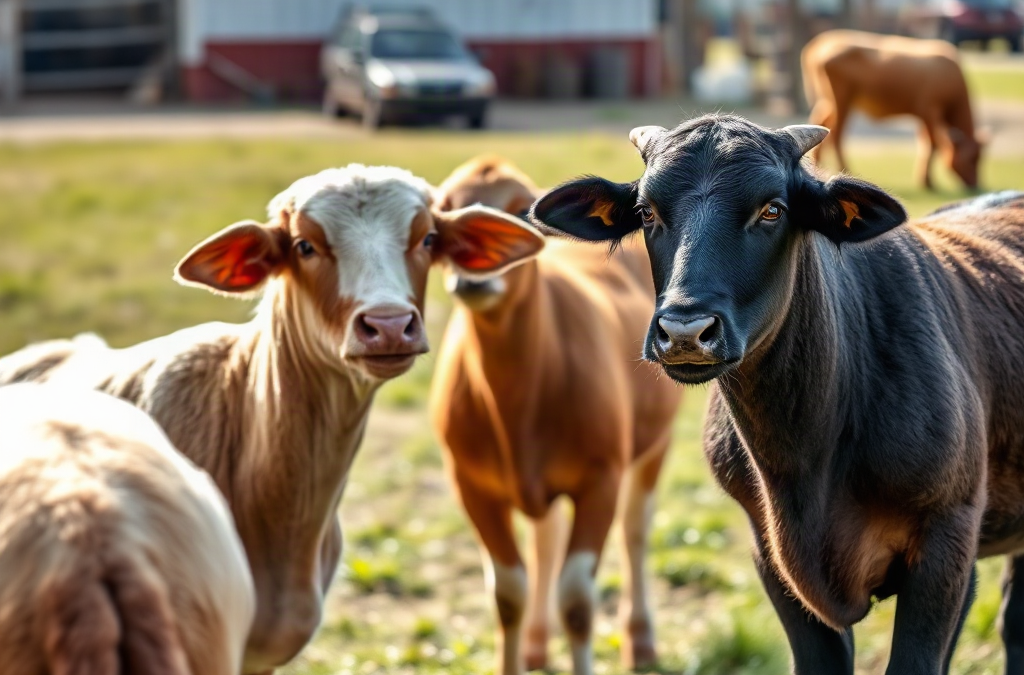
Animal care should come after learning daily requirements, fencing, shelter, feed storage, manure handling, and veterinary access. Chickens may appear simple, yet predators, winter ventilation, feed pests, illness, and water freezing create recurring work. Goats require secure fencing and can challenge inexperienced owners with escape behavior and health concerns. Choosing an animal because it is popular is weaker reasoning than choosing it because its care fits available time, land, budget, and local support.
Begin with a written care schedule and a realistic absence plan. Who checks water during a heat wave? What happens if feed delivery is delayed? Where can an injured animal be isolated? These questions expose hidden labor. A garden can be paused for a few days; livestock usually cannot. That difference makes animals a later commitment for many beginners, even when they are central to long-term plans.
A frequent misconception is that more equipment reduces work automatically. Machinery needs fuel, maintenance, storage, and operating skill. For a small plot, a well-maintained hoe, fork, pruning tool, and wheelbarrow may be more efficient than a machine that is difficult to transport or repair. Select equipment after measuring recurring tasks rather than before understanding them.
A Learning Sequence That Fits Your Homestead
A sensible learning sequence moves from low-cost, reversible practice to commitments that involve animals, structures, debt, or regulatory requirements. Begin by building household routines: cook several meals from stored staples, test water, make a basic inventory, and practice using essential tools. Next, establish a small growing area and document soil, pests, watering, harvest, and labor. Then preserve a modest quantity using a tested method and evaluate whether the household actually uses it.
Use a simple decision test before adding a project. Ask whether it meets a frequent need, whether failure would create danger or major expense, whether the work fits available time, and whether the skill can be practiced at smaller scale. A rainwater system may be useful for irrigation but unsuitable for drinking without proper treatment and compliance with local requirements. A greenhouse may extend a season but add ventilation, watering, repair, and heat-management tasks.
Set evidence-based milestones instead of vague ambitions. A useful milestone might be producing enough herbs for regular meals, keeping a three-month repair log, or completing a preservation batch with accurate labeling and no waste. Signs of progress include fewer repeated mistakes, predictable routines, and clear knowledge of when outside help is needed. Signs of overreach include unfinished infrastructure, neglected maintenance, spoiled food, or schedules that collapse whenever work or illness intervenes.
Review plans at the end of each season. Keep projects that reduce recurring cost or improve dependable access to food and household necessities. Modify projects that work but demand too much labor. Stop projects that create hazards or consume resources without serving the household. For more detail, connect this planning process with Homesteading knowledge worth learning first as your skills develop, and revisit homestead planning decisions when conditions change.
The strongest foundation is adaptable competence: knowing how to observe, test, maintain, preserve, and decide. It does not require producing everything. Buying a product may be sensible when land, time, safety, or local conditions make home production inefficient. Self-reliance improves when choices are deliberate rather than symbolic.
For reliable technical details, consult your state university extension service, local public-health department, USDA food-preservation guidance, and equipment manufacturers’ current manuals. These sources are especially useful for water testing, soil reports, animal care, and tested canning procedures because recommendations depend on the food, equipment, climate, and local conditions.
Frequently Asked Questions
What should a beginner learn before buying land?
Learn how to evaluate water access, drainage, soil, climate, road access, utilities, zoning requirements, and ongoing labor. A property that looks affordable may become impractical if essential services or workable growing areas are limited.
Should gardening or livestock come first?
Gardening is usually easier to scale gradually and pause when needed. Livestock require daily care, secure housing, feed planning, and veterinary preparation, so they generally belong after basic routines and infrastructure are reliable.
How can I learn without spending much money?
Practice with a container garden, basic hand tools, inexpensive pantry ingredients, and small preservation batches. Extension classes, public libraries, community gardens, and local experienced practitioners can provide useful instruction without requiring a large setup.
What is the most common beginner mistake?
Starting too many projects at once hides labor and prevents accurate learning. Choose one system, record inputs and results, correct the cause of failures, and expand only after the routine works through difficult weather or busy weeks.
Does homesteading mean producing everything at home?
No. It means making thoughtful decisions about essential resources, skills, purchases, and risks. Buying grain, hiring specialized repairs, or using public services can be more sensible than attempting every task without adequate time or safety knowledge.
Conclusion
Begin with knowledge that protects ordinary household operations: safe water, soil observation, staple cooking, food preservation, tool maintenance, sanitation, and emergency response. Practice each capability on a small scale, record what happens, and let evidence from your property guide expansion. Treat livestock, major structures, and specialized equipment as commitments that require dependable time, not simply enthusiasm or available space. Review labor, cost, safety, and actual household use before repeating a project. The most capable homestead is not the one with the most visible features; it is the one whose systems remain useful during heat, cold, illness, power interruptions, and busy seasons. Build that reliability one tested routine at a time.