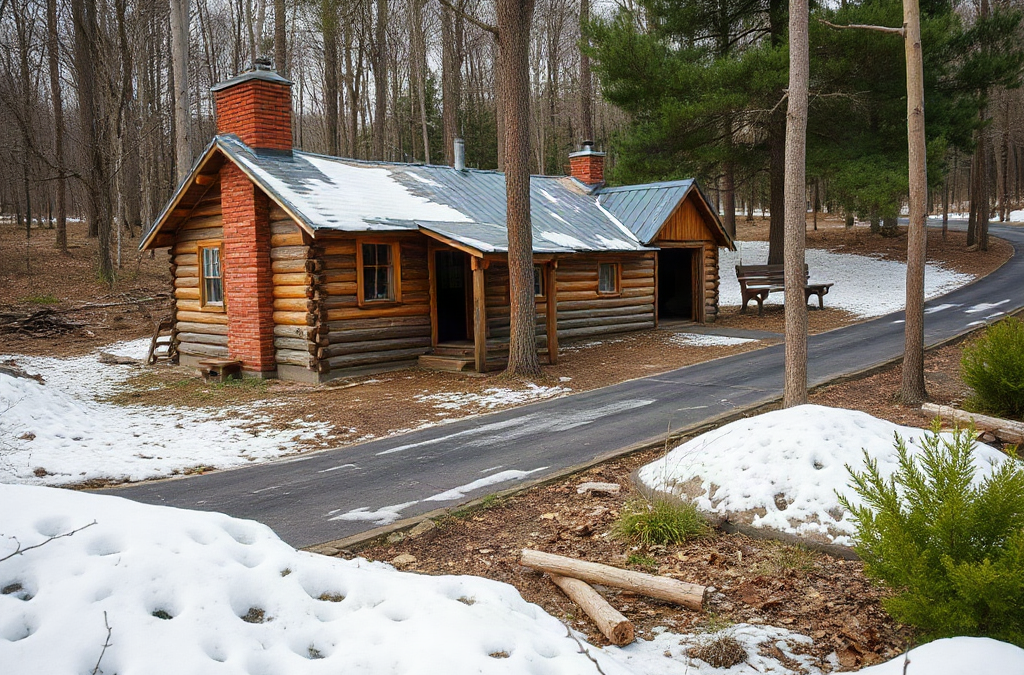
Homesteading in New York State: major constraints include land-use rules, high carrying costs, difficult winter conditions, limited growing seasons, and uneven access to water, septic, power, and markets. County and town zoning can restrict homes, livestock, accessory structures, and commercial activity before a property can function as a homestead. Snow, freeze-thaw cycles, mud season, heavy rainfall, and regional differences in soil and growing conditions affect construction, roads, gardens, and animal care. A sound plan verifies zoning, septic feasibility, well or water access, insurance, taxes, and year-round maintenance obligations before buying land. Treating acreage alone as proof of self-sufficiency is a common and expensive mistake.
Land Use Rules and Property Due Diligence
New York homesteading plans often fail at the parcel-selection stage because a rural appearance is mistaken for unrestricted use. The controlling rules may come from a town or county zoning code, building department, health department, conservation authority, or private restrictions in the deed. A parcel may appear suitable for a house, barn, poultry yard, farm stand, workshop, or short-term rental while one or more of those uses is limited, conditional, or prohibited.
Start by obtaining the parcel’s zoning designation and written use information from the relevant town or city office. Ask specifically about a primary dwelling, additional dwelling units, mobile or manufactured homes, barns, greenhouses, animal shelters, fencing, setbacks, driveway access, home occupations, farm sales, and outdoor storage. Rules can differ sharply between neighboring municipalities, so a property in one county is not a reliable model for a property elsewhere.
For example, a buyer may budget for a modest cabin and a small herd, then discover that the proposed structure needs permits, the driveway requires approval, and the intended animal housing conflicts with setback or drainage requirements. The alternative—buying first and seeking permission later—creates far more risk than comparing several parcels before making an offer. Written confirmation is more useful than a listing description or an informal statement from a seller.
Also inspect the deed for easements, covenants, shared-drive obligations, development restrictions, and mineral or timber rights. A conservation easement may preserve open space while limiting new buildings. Agricultural assessment programs can affect taxes and may carry eligibility or use obligations that should be reviewed with the local assessor. None of these issues automatically makes a property unsuitable, but each changes the operating plan and financial forecast.
Use Homesteading in New York State: major constraints as a property-screening question rather than a lifestyle label. The practical test is whether the parcel legally supports the first three projects you intend to build, not whether it has enough acreage on paper.
Climate, Soil, and the Short Growing Window
New York’s climate creates different constraints from one region to another. Lake-effect snow, cold northern winters, wet spring soils, summer heat, drought periods, heavy storms, and freeze-thaw damage do not affect every county equally. The same garden design or livestock shelter may work in the Hudson Valley but require different drainage, wind protection, insulation, and crop choices in the North Country or western snowbelt.
Growing-season length is only one issue. Wet ground can delay tilling and planting, while late frost or an early autumn freeze can damage crops that looked productive in midsummer. Poorly drained soil also limits where a driveway, foundation, septic area, orchard, or animal paddock can go. A parcel with fertile topsoil may still be awkward if the best ground is seasonally saturated or located far from the house.
Before purchase, walk the property in more than one season if possible. Look for standing water, rutted access, erosion, exposed bedrock, windthrow, snow-storage areas, and shade from mature trees. Review soil information as a starting point, then use field observations and, where appropriate, soil testing. A garden soil test cannot answer every question about a building site or septic area, so do not treat one favorable sample as a complete site evaluation.
Crop planning should favor resilience over ambition. Cold-hardy greens, storage crops, perennial herbs, berries, and protected growing space may provide more dependable output than a large list of tender vegetables. A greenhouse extends the season but adds snow-load, ventilation, water, repair, and winter heating decisions. Unheated season extension is less costly but cannot provide the same protection as a heated structure.
Winter also changes daily labor. Water lines freeze, gates ice over, snow blocks deliveries, and firewood or feed must be accessible when roads are poor. A common mistake is to design for July productivity and underestimate January access. Prioritize drainage, all-weather paths, roof design, protected water points, and storage before expanding the garden or animal inventory.
Water, Septic, Power, and Access Constraints
Utilities are often the most expensive hidden constraint on a New York homestead. A rural parcel may have no public water, sewer, natural gas, or nearby electrical service. The cost and feasibility of a private well, septic system, driveway, trenching, electrical connection, generator, or alternative energy system depend on site conditions and local approvals rather than acreage alone.
Water quantity and water quality are separate questions. A well can produce enough water for household use but still need testing for contaminants relevant to the local geology and the property’s history. Surface water may look attractive for irrigation, yet it can carry sediment, pathogens, or runoff and may require treatment. A dependable backup plan matters during outages, frozen lines, pump failures, or drought.
Septic feasibility deserves attention before closing. The usable area must accommodate the required system and reserve area while avoiding unsuitable soils, steep slopes, wetlands, wells, and other setbacks. A parcel that can support a small house may not support a second dwelling, farm labor housing, commercial kitchen, or high-occupancy use. Treating septic approval as an administrative detail can invalidate an otherwise appealing purchase.
Electrical planning involves more than reaching the nearest pole. Long service runs, difficult trenching, a distant meter location, and construction power can change the budget. Solar and battery systems can reduce dependence on the grid, but winter production, battery capacity, generator integration, appliance loads, and maintenance must be modeled honestly. A low-energy cabin and a year-round household with freezers, pumps, tools, and heated outbuildings are very different electrical projects.
Access is part of the utility system. Confirm who maintains the road, whether emergency vehicles can reach the home, how snow removal is handled, and whether a shared driveway has recorded rights. Test the route with a loaded vehicle if possible. The attractive parcel at the end of a steep seasonal road may be cheaper to buy but harder to insure, supply, plow, and resell than a smaller property with reliable access.
Costs, Labor, Markets, and Livestock Realities
A New York homestead must be financed as an operating property, not only as a land purchase. Taxes, insurance, repairs, fuel, tools, fencing, feed, seed, building materials, vehicle wear, professional services, and replacement equipment continue after the initial setup. Rural land can reduce purchase cost in some areas while increasing travel time and infrastructure expense.
Labor is another constraint. A household managing a garden, wood heat, livestock, food preservation, repairs, snow removal, and off-property employment may have less usable time than expected. Animals create fixed daily obligations during storms, illness, travel, and family emergencies. Chickens may be a manageable first enterprise for some households, while larger livestock require stronger fencing, winter feed storage, handling facilities, manure management, and access to veterinary and processing services.
Income plans need the same scrutiny as food production. A farm stand, eggs, preserves, seedlings, workshops, or online sales may require zoning review, licensing, approved processing arrangements, insurance, labeling, or sales-tax administration depending on the activity. Do not assume that producing something at home automatically permits selling it to the public. Confirm requirements with the appropriate local and state offices before spending on a commercial setup.
Compare purchased inputs with home production rather than treating self-sufficiency as all-or-nothing. Growing storage potatoes may be sensible when compared with the cost of irrigating a fragile crop, while producing all animal feed on a small parcel may be unrealistic. Buying hay, grain, compost, or lumber is not evidence that a homestead has failed; it is a tradeoff that should be priced and scheduled.
A useful warning sign is a budget that counts harvest value but omits infrastructure replacement and unpaid labor. Track monthly cash costs, seasonal workload, and the consequences of one failed crop or equipment breakdown. Build the first year around a house, water, sanitation, access, heating, and a modest food system. Expansion should follow evidence that those systems function through winter.
A Purchase-Stage Constraint Checklist
The safest approach is to test constraints in an order that prevents expensive assumptions from compounding. A garden can be redesigned; an unusable septic area or inaccessible building site may not be fixable at a reasonable price. Use a written parcel file for every candidate property and save maps, emails, permits, estimates, and inspection results.
- Confirm legal uses: obtain zoning information and ask about dwellings, agricultural structures, animals, home businesses, and accessory uses.
- Verify the building envelope: identify wetlands, steep slopes, flood exposure, bedrock, easements, setbacks, and a practical location for the house and outbuildings.
- Test water and septic assumptions: ask qualified local professionals what evaluations, permits, tests, and reserve areas are needed.
- Price infrastructure: obtain realistic estimates for driveway work, power, well, septic, heating, drainage, fencing, and snow management.
- Model operations: calculate winter feed, fuel, labor, travel, storage, emergency backup, taxes, insurance, and likely income requirements.
Use competing options to expose weak assumptions. Compare an inexpensive remote parcel with a smaller property near services; compare a grid-connected home with an off-grid build; compare annual vegetables with perennial plantings and protected beds. The cheapest land is not necessarily the cheapest homestead once roads, utilities, time, and maintenance are included.
After moving in, judge each project by observable signals. A functioning plan has dry access, protected water, manageable heating costs, stored feed and fuel, productive soil, and enough time for routine care. Warning signs include repeated pump failures, muddy traffic areas, unplanned winter purchases, chronic animal-care fatigue, and projects that remain unfinished because the original budget ignored site work. The property due-diligence process should therefore continue after purchase through seasonal reviews, not end at closing.
For parcel-specific decisions, consult the town or county zoning office, local building and health departments, county cooperative extension, the county soil and water conservation district, and the New York State Department of Agriculture and Markets. These sources can provide current local requirements and technical direction, but they do not replace a site-specific evaluation by qualified professionals.
Frequently Asked Questions
Is New York State suitable for homesteading?
It can be, but suitability depends heavily on county, soil, winter exposure, access, water, septic feasibility, and local land-use rules. A smaller parcel with reliable infrastructure may outperform remote acreage.
What is the biggest legal constraint for a New York homestead?
Local zoning is often the first constraint because towns may regulate dwellings, outbuildings, animals, home occupations, and commercial activity differently. Confirm permitted uses in writing before purchase.
How does winter affect homesteading in New York?
Snow and freezing conditions increase demands for heating, water protection, feed storage, road maintenance, equipment access, and animal care. Design for winter before adding livestock or remote buildings.
Should a buyer test a well before buying rural land?
Yes. Confirm both well feasibility and water quality, and budget for testing, treatment, pump equipment, and backup water arrangements. A nearby well does not guarantee identical results on another parcel.
Can a small property support a self-sufficient lifestyle?
A small property may support gardens, preservation, poultry, heating wood, or other selected systems, but complete self-sufficiency is rarely realistic. Define the outputs you need and compare them with land, time, storage, and purchased-input limits.
Conclusion
Successful homesteading in New York begins with rejecting the idea that acreage alone determines viability. Local zoning, septic and water conditions, winter access, drainage, growing conditions, operating costs, and available labor shape what a parcel can actually support. Verify the legal uses and building envelope first, then price infrastructure before making a land offer. Start with durable systems—safe water, sanitation, heat, access, storage, and a manageable food project—rather than several ambitious enterprises at once. Seasonal performance will reveal more than a summer viewing: note frozen lines, muddy roads, snow removal, animal care, and household workload. A carefully screened property may still require compromises, but those compromises are easier to manage when they are known, budgeted, and chosen deliberately.