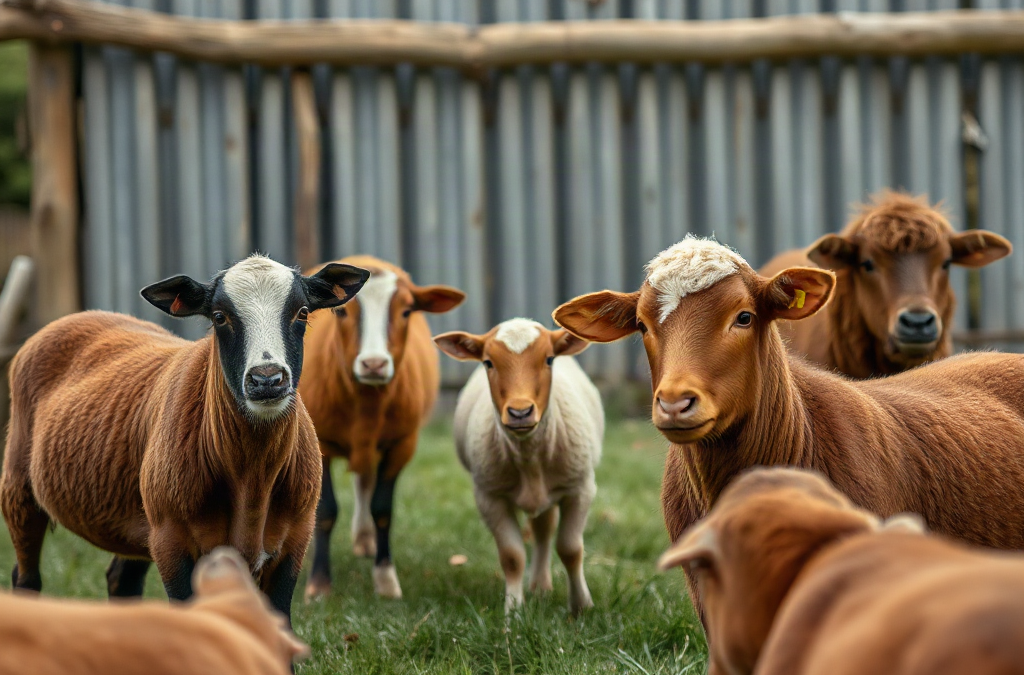
Farm animals for beginners should be matched to usable space, shelter capacity, fencing, manure handling, and daily care time rather than acreage alone. Coturnix quail or laying hens often suit compact properties, while rabbits can work where grazing is unavailable but secure housing and reliable feed storage are possible. Goats and sheep need substantially more fencing, forage management, and veterinary planning, and cattle are rarely forgiving first animals on limited land. Before buying stock, measure the actual enclosure, confirm local rules, price year-round feed, identify predator risks, and decide how excess males, aging animals, and manure will be managed.
How Much of Your Property Is Actually Usable?
Total acreage is a poor measure of livestock capacity because animals occupy infrastructure, not numbers on a deed. A two-acre parcel may offer less workable animal space than a carefully arranged half-acre if much of it is steep, wooded, wet, exposed to traffic, reserved for a septic system, or restricted by setbacks. Measure the ground that can legally and safely hold an enclosure, shelter, feed storage, water equipment, and a route for moving bedding or manure.
Separate the property into functional zones before choosing a species. The animal enclosure is only one zone. You also need dry shelter, a place to quarantine a sick or newly purchased animal, protected feed storage, and somewhere to compost or remove manure. Gates must be wide enough for a wheelbarrow or small utility cart. Water should remain practical during freezing weather or drought. If every routine task requires dragging supplies through the house or carrying buckets across a muddy slope, a seemingly modest flock can become difficult to maintain.
Usable capacity changes with climate and soil. A grass-covered run may become bare soil under repeated poultry traffic. A small goat paddock can lose desirable vegetation quickly, leaving weeds, mud, and parasite-contaminated ground. Frozen water increases winter labor, while poor drainage concentrates manure and odors after rain. Space calculations therefore need to account for the condition of the land after months of use, not just how attractive it looks before animals arrive.
Local rules can narrow the options further. Zoning, animal-unit limits, required setbacks, noise provisions, and restrictions on roosters or other intact males vary by location. Homeowners associations and private covenants may impose additional limits. Verify the rules with the relevant local office and read the actual property documents rather than assuming a rural-looking neighborhood permits livestock.
A useful test is to sketch every required feature to scale. Include the shelter, outdoor enclosure, feed cans, compost area, quarantine pen, gates, and access path. Leave room for cleaning and repairs. If those elements fit only by eliminating drainage, setbacks, or service access, the species does not fit the property. Choosing fewer animals than the apparent maximum provides room for temporary separation, weather disruptions, and ordinary management mistakes.
Which Farm Animals Work in Small Spaces?
Quail, chickens, and rabbits offer the most manageable starting points where space is limited, but each uses that space differently. Quail need secure, species-appropriate housing and protection from predators rather than pasture. Chickens need a dry coop, an outdoor area, ventilation, and enough room to avoid persistent crowding. Rabbits can live without grazing, yet they still require weather-protected housing, daily observation, sanitation, and careful heat management.
| Animal | Space Pattern | Main Infrastructure | Common Limitation |
|---|---|---|---|
| Coturnix quail | Compact enclosed housing | Predator-resistant pen, ventilation, feed and water stations | Escape risk and limited local processing or veterinary options |
| Laying hens | Coop plus outdoor run | Roosts, nest boxes, secure fencing, dry bedding | Noise, manure concentration, and predators |
| Rabbits | Housing with exercise and service space | Shade, airflow, secure cages or colony enclosure, sanitation system | Heat exposure and dependence on purchased feed |
| Ducks | Shelter plus washable outdoor area | Predator protection, clean drinking water, strong drainage | Wet bedding, mud, and frequent water maintenance |
Coturnix quail may suit a property where neighbors are close and a full chicken yard is unrealistic. Their enclosure remains compact, but compact does not mean maintenance-free. Fine feed, droppings, spilled water, and dust accumulate rapidly in poorly designed housing. The keeper must be able to reach every corner, remove waste, and prevent rodents from accessing feed. Local ordinances may classify quail differently from chickens, so their small size should not be treated as automatic permission.
Chickens are familiar and supplies are widely available, which makes them approachable for a first flock. A small group of hens is generally simpler than a mixed flock that includes a rooster. The usual failure is buying too many chicks because the brooder looks spacious; adult birds occupy more room, create more manure, and reveal weaknesses in ventilation and run drainage. Start with a flock size the finished coop can support, not the number of chicks that fit under a heat source.
Rabbits exchange grazing requirements for closer environmental control. They may be appropriate where pasture is unavailable, but summer heat, sanitation, gnawing damage, and feed storage need deliberate solutions. Ducks are often marketed alongside chickens, although they create a wetter environment and can overwhelm a small run without excellent drainage. For a compact backyard, hens or quail usually impose fewer water-management demands than ducks. The best sign of a workable setup is that bedding stays reasonably dry, odors remain controlled, animals can move without conflict, and routine cleaning is possible without dismantling the enclosure.
When Do Goats, Sheep, or Cattle Make Sense?
Goats and sheep make sense only when a property can support secure fencing, companion animals, separate handling space, and a realistic feeding plan. They are herd animals, so planning for a single animal as a space-saving measure is generally unsuitable. The land must accommodate at least a compatible pair as well as shelter, hay storage, water, and a pen where one animal can be examined or temporarily separated.
Goats browse woody growth and test fences by climbing, leaning, reaching, and exploiting weak gates. They are not dependable lawn mowers, and a brushy lot does not guarantee adequate year-round nutrition. A beginner who buys goats to clear vegetation may soon have damaged trees, escaped animals, and an ongoing hay bill. Goats fit best where the owner wants goats specifically, can build fencing for their behavior, and has a plan for hoof care, parasite monitoring, minerals, and veterinary support.
Sheep tend to graze more readily than goats, but small acreage can still be overused. Short, continuously grazed ground offers little recovery time and may increase exposure to internal parasites. Rotational paddocks can distribute grazing and allow plants to regrow, yet dividing a tiny area does not create more forage. When pasture cannot meet demand, stored feed becomes a larger part of the system and manure still remains on the property. Beginners should evaluate the cost and storage volume of hay before treating grass as the primary budget.
Cattle are usually a poor first choice for constrained land. Their body size increases feed storage, manure volume, fencing forces, handling risk, and the difficulty of transporting a sick animal. Even a small cattle breed remains a substantial animal requiring safe facilities and knowledgeable care. Owning enough land to place a cow behind a fence is not the same as having the forage, companion arrangement, winter feeding capacity, and handling equipment to manage cattle responsibly.

A better progression is to develop livestock systems with a smaller species before moving upward in scale. Keeping poultry successfully can teach feed protection, predator prevention, water reliability, manure handling, and daily observation without reproducing every challenge of ruminants. Signs that a property is ready for goats or sheep include consistently secure fencing, dry hay storage, a known source of appropriate feed, access to veterinary care, and room for rotational or sacrifice areas. Repeated escapes, bare ground, chronic mud, or no place to isolate an animal indicate that the setup needs improvement before the herd grows.
What Should You Check Before Bringing Animals Home?
A pre-purchase audit should test the complete care system during bad weather, busy weeks, and unexpected separation—not merely confirm that a pen can be built. Walk through feeding, watering, egg collection or health checks, cleaning, manure removal, and emergency access. Estimate where each task happens and how long it will take when the ground is muddy, water is frozen, or daylight is limited.
Use the following order so attractive breeds or inexpensive animals do not drive the decision:
- Confirm permission. Check zoning, covenants, setbacks, animal limits, noise restrictions, and rules affecting shelters or manure.
- Measure the working footprint. Mark the enclosure, shelter, service aisle, feed storage, quarantine area, and waste route.
- Price the full year. Include feed, bedding, fencing repairs, containers, seasonal water equipment, routine care, and transport—not only the purchase price.
- Identify care support. Locate an appropriate veterinarian where available, a reliable feed supplier, and a capable caretaker for absences.
- Plan every animal outcome. Decide how you will handle surplus males, breeding, aging animals, serious illness, and animals that cannot remain in the group.
Predator pressure deserves a property-specific review. Chicken wire may contain birds but is not a complete defense against determined predators. Gaps at doors, weak latches, exposed rooflines, and soft ground along an enclosure edge often matter more than the visible fence panels. Quail also exploit surprisingly small openings, while rabbits need protection from both predators and weather stress. Inspect housing at animal height and after dark, when weak points may be easier to notice.
Daily labor should be tested before purchase. Carry the expected water volume, move a bale or bag of feed to its storage location, and push a loaded wheelbarrow along the planned cleaning route. This rehearsal exposes steep grades, narrow gates, inconvenient spigots, and insufficient storage. It also distinguishes a sustainable routine from a design that works only when the weather is pleasant and the owner has extra time.
Start below the property’s apparent capacity. A small first group reveals actual feed use, bedding needs, drainage behavior, neighbor response, and cleaning time. Expansion should follow a stable season rather than precede it. The system is working when animals remain securely contained, housing stays dry enough to clean, body condition and behavior are monitored consistently, and chores remain manageable without skipped maintenance. Persistent odor, wet bedding, damaged fencing, crowding, recurring escapes, or deferred cleaning are signals to reduce numbers or redesign the setup.
Frequently Asked Questions
What is the easiest farm animal for a small backyard?
A modest group of laying hens or Coturnix quail is often more manageable than larger livestock. The better choice depends on local rules, predator protection, noise tolerance, housing, and whether you can clean the enclosure easily.
Can goats live on a quarter-acre property?
A quarter acre may physically hold goats, but it is unlikely to provide all their forage. Secure fencing, at least one compatible companion, purchased feed, hay storage, manure management, and local permission must all fit the site.
Are rabbits easier than chickens for beginners?
Rabbits avoid the need for a coop and pasture, but they require close attention to heat, ventilation, sanitation, feed, and housing security. Chickens may be easier where a dry run and predator-resistant coop already exist.
How do I know whether I have too many animals?
Warning signs include persistent mud or odor, wet bedding, bare ground, repeated conflict, fast waste accumulation, skipped cleaning, and feed or water stations that cannot remain clean. Reduce numbers or expand and redesign the facilities.
Should beginners choose animals based on pasture size?
Pasture is only one constraint. Base the decision on usable enclosure space, seasonal forage, shelter, fencing, feed storage, water access, quarantine capacity, manure handling, and the time available for daily care.
Conclusion
Choose the livestock system your property can sustain through its least convenient season, not the largest animal that fits on a pleasant day. Measure functional space, verify local permission, and reserve room for feed, waste, cleaning access, and temporary separation. Quail, hens, or rabbits often provide a more forgiving first step on compact properties, while ducks add water-management demands and small ruminants require stronger fencing, companionship, forage planning, and handling capacity.
Draw the proposed layout, rehearse the chores, and calculate year-round purchased inputs before contacting a seller. Begin with fewer animals than the enclosure appears to hold, then observe drainage, bedding condition, feed use, odor, containment, and workload over a full season. Expand only when those systems remain dependable. Space is adequate when routine care stays safe and consistent without crowding the animals or exhausting the land.