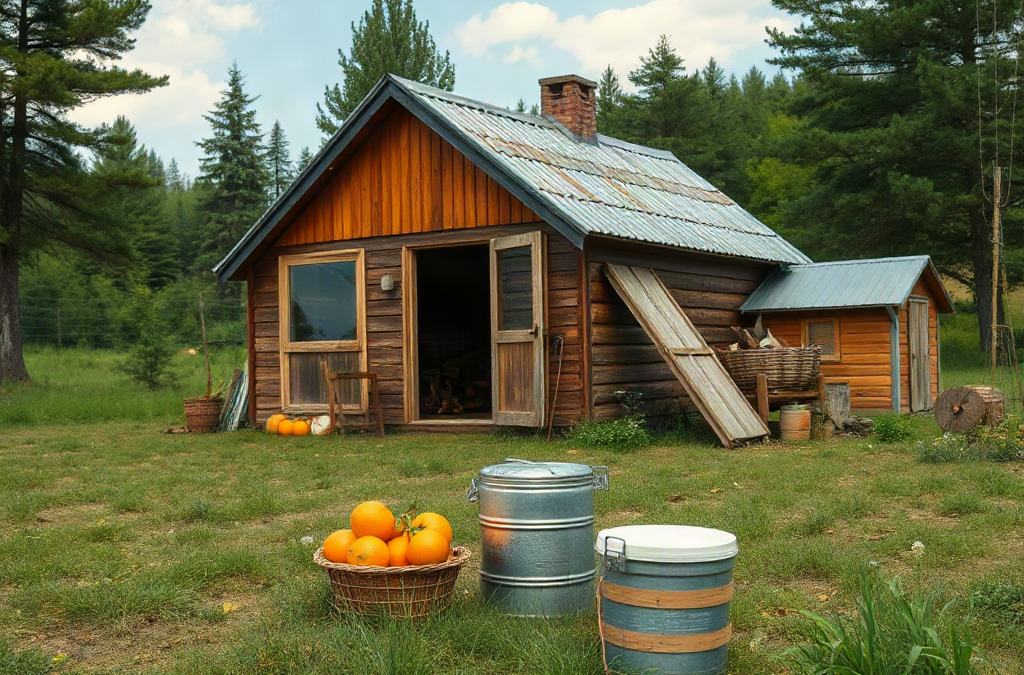
Micro Homesteading in Limited Living Spaces: Compact Food, Water, and Preservation Systems
Explore micro homesteading in limited living spaces through designing micro homestead around, considering the conditions that change the outcome.

Explore micro homesteading in limited living spaces through designing micro homestead around, considering the conditions that change the outcome.
Homesteading is worth the time and effort when its food production, resilience, and lifestyle benefits matter more to you than the labor, startup costs, maintenance, and reduced free time involved. The strongest case usually comes from focused projects such as a productive garden, preserving seasonal food, or keeping a small…
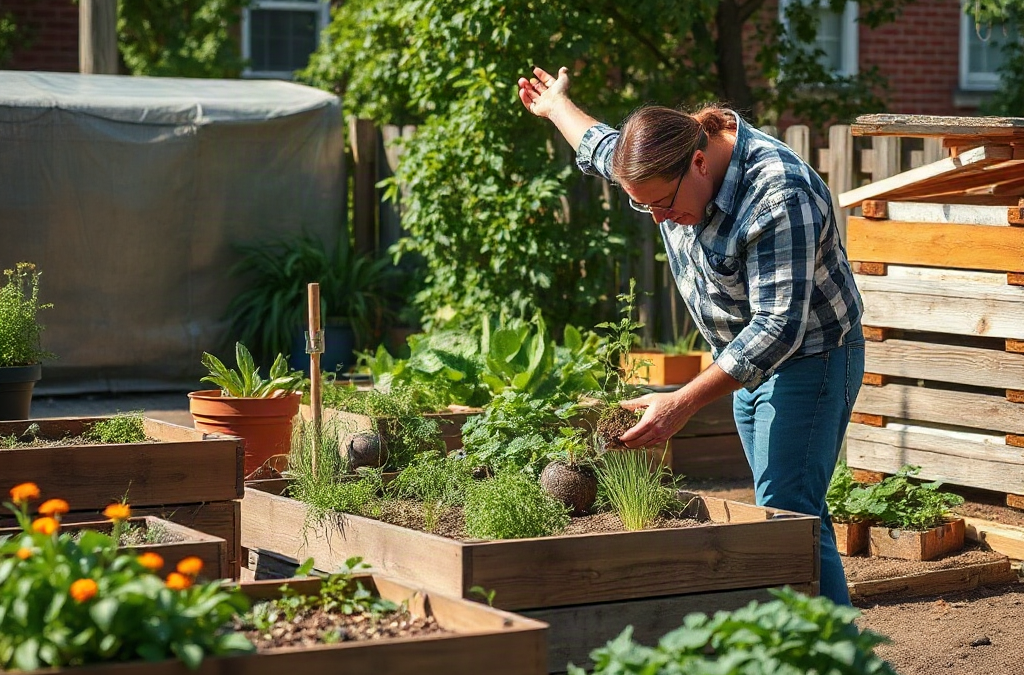
Urban homesteading programs and available support usually come through city food initiatives, county extension offices, community gardens, nonprofit training, utility rebates, and small local grants. These programs can reduce startup costs for raised beds, rainwater management, composting, beekeeping, or small-scale food production, but eligibility often depends on location, property status…
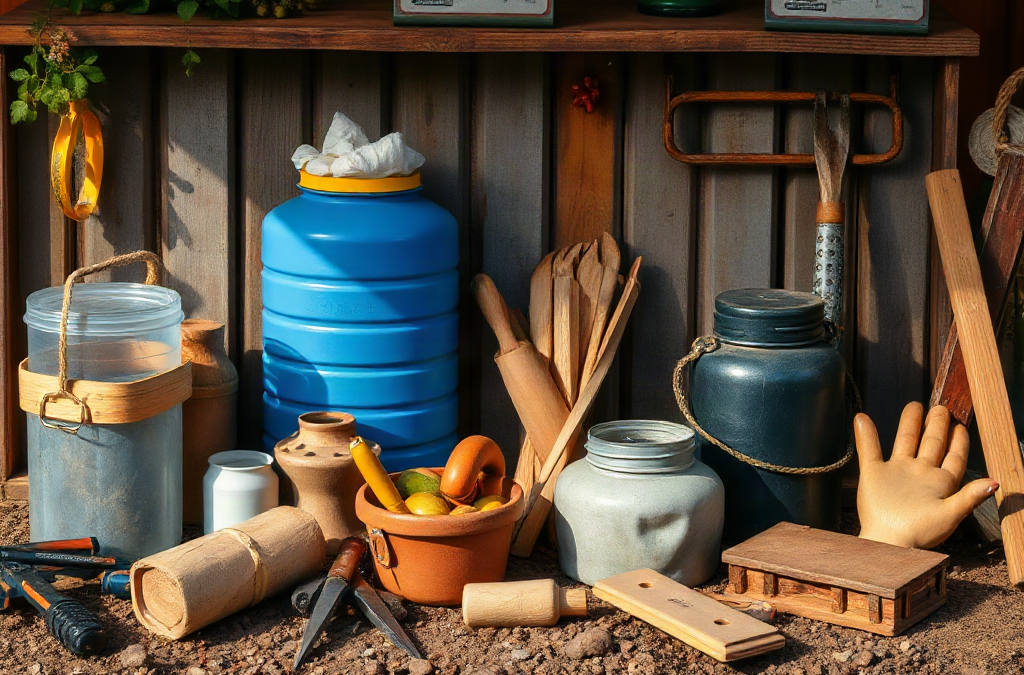
Homesteading must-haves for a functional start are dependable water storage, basic hand tools, food-growing supplies, shelter for equipment, first-aid materials, and a simple system for tracking chores and costs. Water access should be tested before buying livestock or planting heavily, while tools should match the soil, climate, and scale of…
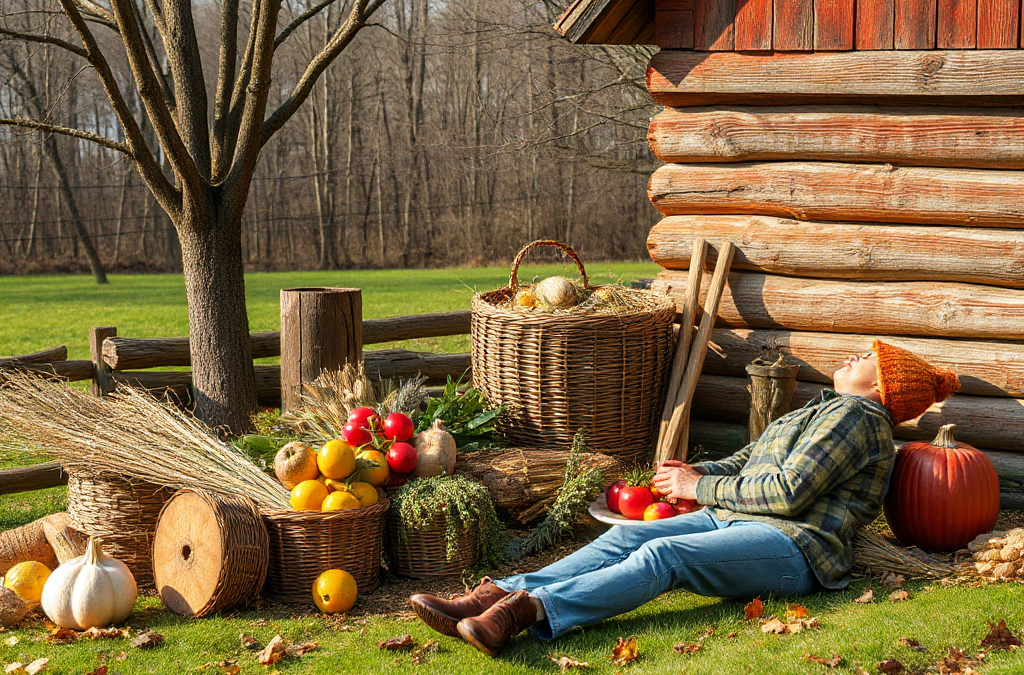
Engaging in seasonal activities also allows homesteaders to celebrate the fruits of their labor, reflect on the past, and look forward to future growth.
How to prioritize health and wellness while homesteading.

