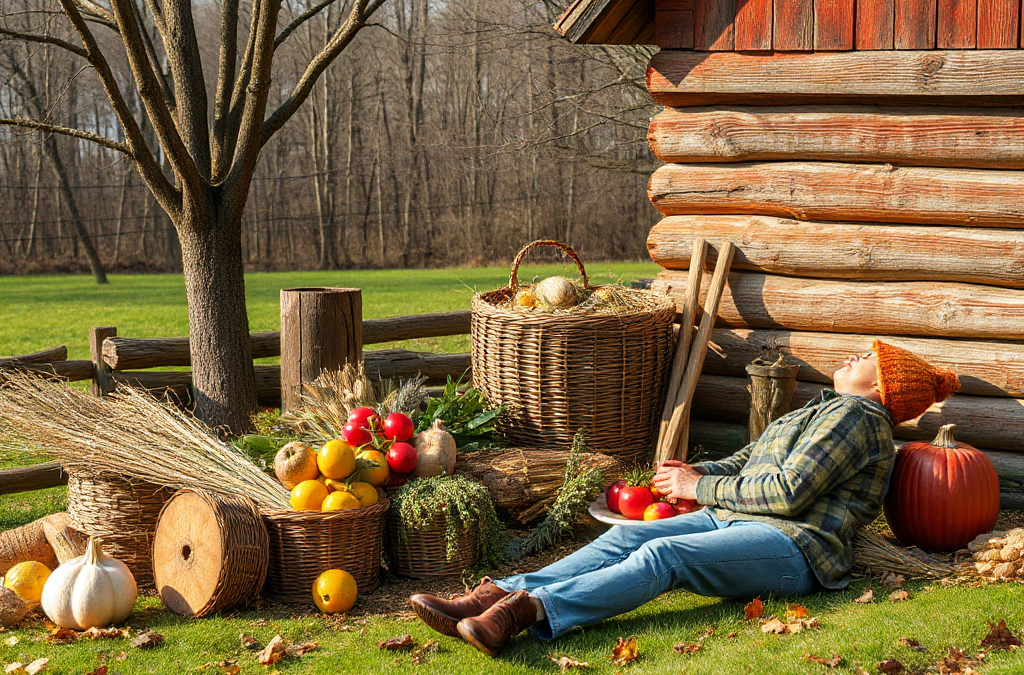
To prioritize health and wellness while homesteading, focus on integrating nutritious foods and establishing daily routines that promote physical and mental well-being. Incorporating fresh produce from your garden, practicing mindfulness, and ensuring regular physical activity are essential. Avoid common pitfalls like neglecting self-care due to busy schedules, and remember that balanced nutrition and mental wellness are key to sustaining your homesteading lifestyle.
The Role of Nutrition in Homesteading Health
Nutrition is foundational for maintaining health and wellness while homesteading, as it directly impacts energy levels, mood, and overall physical health. Growing your own fruits and vegetables not only ensures that you have fresh, nutrient-dense foods available, but it also connects you to your food source, promoting a sense of fulfillment. Foods rich in vitamins, minerals, and antioxidants, such as leafy greens, berries, and root vegetables, should be prioritized in your diet.
Incorporating a variety of food groups is essential. For example, legumes and whole grains provide necessary protein and fiber, supporting digestive health and sustained energy levels. Additionally, consider the role of fermented foods, like yogurt or sauerkraut, which can enhance gut health and immunity.
One common mistake homesteaders make is relying heavily on stored or processed foods during off-seasons. This can lead to nutrient deficiencies and negatively affect energy and mood. Instead, focus on crop rotation and season extension techniques to maximize fresh produce availability throughout the year.
Daily Routines for Mental and Physical Well-Being
Establishing daily routines that promote both mental and physical health is crucial for homesteaders. Activities that bring joy and relaxation, such as gardening, cooking, or simply enjoying time outdoors, can significantly enhance your overall well-being. Incorporating mindfulness practices, such as meditation or yoga, can help manage stress levels and improve mental clarity.
Physical activity should also be a priority. Engaging in regular exercise, whether through farm chores, walking, or structured workout routines, helps maintain physical health and combat the sedentary lifestyle that can occur during intense homesteading periods. Aim for at least 30 minutes of moderate exercise most days of the week.
Creating a schedule that balances work and rest is vital. Many homesteaders fall into the trap of overworking themselves during peak seasons, which can lead to burnout. Prioritize self-care by setting aside time for relaxation and ensuring adequate sleep each night.
Common Mistakes to Avoid
While homesteading offers many benefits, it also presents unique challenges that can affect health and wellness. One major mistake is neglecting personal health for the sake of productivity. Homesteaders often prioritize tasks over their well-being, leading to fatigue and stress.
Another common pitfall is failing to diversify crops and activities. Growing a limited variety can lead to nutritional deficiencies and burnout from repetitive tasks. Instead, plan for diversity in both your garden and daily activities to keep things engaging and sustainable.
It’s also essential to recognize the signs of stress and fatigue. Ignoring these symptoms can compound issues and lead to serious health concerns. Establish a support system with fellow homesteaders or community members to share experiences and seek help when needed.
Practical Tips for Sustainable Living
To maintain health and wellness while homesteading, consider integrating the following practical tips into your lifestyle:
- Plan meals around seasonal produce to ensure variety and freshness.
- Incorporate physical activity into your daily chores to stay active without additional effort.
- Practice mindfulness by setting aside time each day for meditation or quiet reflection.
- Engage with your community through local farmers’ markets or homesteading groups to share resources and support.
- Keep a journal to track your health, wellness, and gardening progress, allowing for reflection and adjustments.
These strategies not only enhance physical health but also promote a sense of community and connection, essential elements for a fulfilling homesteading lifestyle.

Frequently Asked Questions
What are the best foods to grow for optimal health while homesteading?
Focus on growing a variety of vegetables, fruits, and legumes. Leafy greens, tomatoes, carrots, and beans are nutrient-rich and versatile.
How can I improve my mental wellness while homesteading?
Incorporate mindfulness practices, engage in hobbies, and ensure social connections with others in the homesteading community.
What are some common health pitfalls for homesteaders?
Neglecting self-care, overworking, and failing to maintain a balanced diet can lead to fatigue and health issues.
How much physical activity should I aim for while homesteading?
Aim for at least 30 minutes of moderate exercise most days, which can be integrated into daily homesteading tasks.
What role does community play in homesteading wellness?
Community support can provide resources, motivation, and shared experiences that enhance both physical and mental wellness.
Conclusion
Prioritizing health and wellness while homesteading requires a balanced approach that incorporates nutritious foods, physical activity, and mental well-being practices. By being mindful of your routines, avoiding common pitfalls, and engaging with your community, you can create a fulfilling and sustainable homesteading lifestyle. Remember, your health is the foundation that supports all your homesteading efforts, so invest time and energy in nurturing it.