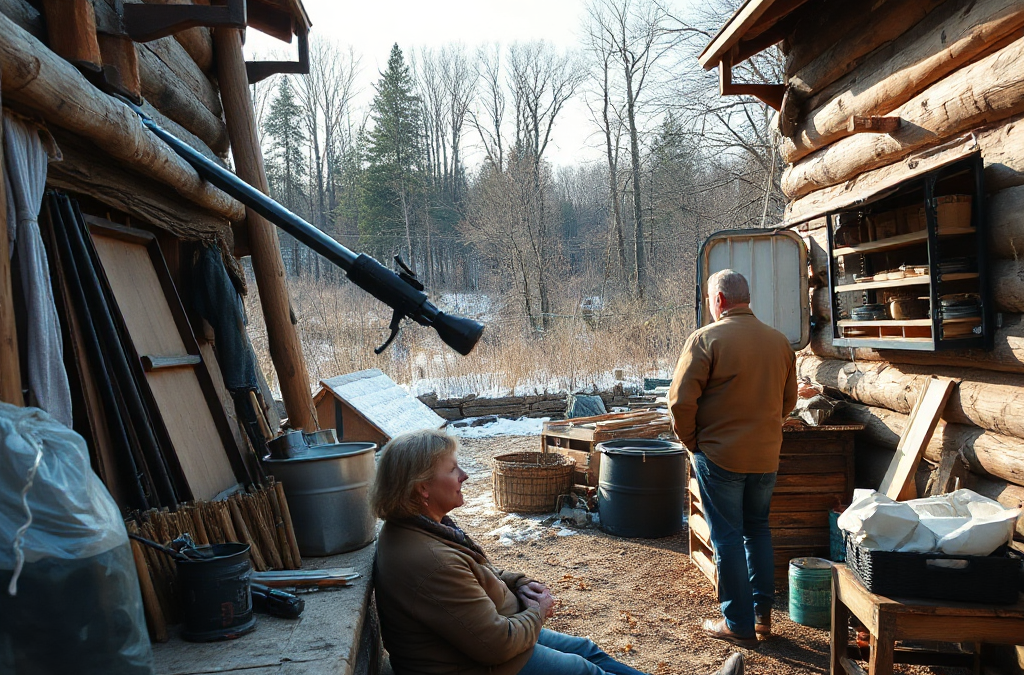
Building a resilient food storage system involves selecting appropriate preservation methods and storing essential foods to ensure availability during emergencies. Key techniques include canning, freezing, dehydrating, and using root cellars. Prioritize nutrient-dense staples like grains, legumes, and vegetables while considering storage conditions to prevent spoilage. Common mistakes include inadequate sealing and failing to rotate stock, which can lead to waste.
Understanding Food Preservation Methods
Food preservation is crucial for building a resilient food storage system. It involves techniques that extend the shelf life of foods while maintaining their nutritional value and safety. Common methods include canning, freezing, dehydrating, fermenting, and using root cellars. Each method has its pros and cons, depending on the type of food and the intended storage duration.
Canning is a popular method that involves sealing food in jars and heating them to destroy microorganisms. This method is ideal for fruits, vegetables, and meats. Freezing is excellent for preserving the freshness of fruits and vegetables while retaining their texture and flavor. Dehydrating removes moisture from food, making it lightweight and shelf-stable, ideal for long-term storage.
Fermenting is a natural preservation method that enhances flavors and introduces beneficial probiotics, while root cellars offer a traditional way to store root vegetables and fruits in a cool, dark environment. Understanding these methods allows you to choose the best fit for your food storage needs.
Choosing the Right Foods for Storage
Selecting the right foods is essential for a successful food storage system. Focus on nutrient-dense staples that provide the necessary calories and nutrients during emergencies. Grains, legumes, and canned goods should make up the bulk of your storage.
Grains like rice, oats, and wheat are versatile and long-lasting. Legumes such as beans and lentils are not only nutritious but also provide protein. Canned vegetables and fruits are excellent options since they retain nutrients and flavor when properly preserved.
Herbs and spices can enhance the flavors of stored foods and improve meal variety. Consider storing dehydrated fruits and vegetables, which are lightweight and easy to pack. When choosing foods, prioritize items with a long shelf life and minimal processing to ensure they remain safe and nutritious over time.
Creating Optimal Storage Conditions
Optimal storage conditions are vital for maintaining the quality and safety of your preserved foods. Temperature, humidity, and light exposure play significant roles in food longevity. Most stored foods should be kept in a cool, dark, and dry place.
A temperature range of 50-70°F (10-21°C) is ideal for most foods. Use airtight containers to protect against moisture and pests, and consider using desiccants to absorb excess humidity. Regularly check your food storage area for signs of spoilage or pest infestations, and ensure that your storage solutions are organized for easy access.
Labeling your food with the date of storage can help you keep track of expiration dates and ensure that you use older items first. Implementing a rotation system where you consume and replace older items will help prevent waste and maintain a balanced food supply.
Common Mistakes to Avoid
When building a resilient food storage system, avoiding common mistakes is crucial for maximizing efficiency and minimizing waste. One frequent error is inadequate sealing during the canning process, which can lead to spoilage and foodborne illnesses. Always follow proper canning guidelines and ensure that jars are sealed correctly.
Another mistake is neglecting to rotate stock. It’s important to use the first-in, first-out principle to ensure that older foods are consumed before they expire. Additionally, failing to assess the suitability of foods for freezing or dehydrating can result in undesirable textures or flavors. Ensure that you select appropriate foods for each preservation method.

Lastly, many people underestimate the importance of monitoring storage conditions. Regularly check temperatures and humidity levels, and make adjustments as needed to maintain optimal conditions. By being aware of these pitfalls, you can build a more effective and resilient food storage system.
Frequently Asked Questions
What foods are best for long-term storage?
Grains, legumes, canned vegetables, and dehydrated fruits are ideal for long-term storage due to their shelf stability and nutritional value.
How do I store food to prevent spoilage?
Store food in a cool, dry, and dark place using airtight containers to protect against moisture and pests.
What is the best method for preserving vegetables?
Canning and freezing are among the best methods for preserving vegetables, as they maintain nutritional value and flavor.
How can I tell if canned food is safe to eat?
Check for signs of spoilage, such as bulging lids, leaks, or off odors. If in doubt, discard the item.
What common mistakes should I avoid in food storage?
Avoid inadequate sealing, not rotating stock, and neglecting to monitor storage conditions to prevent spoilage.
Conclusion
Building a resilient food storage system requires thoughtful planning and execution. Focus on selecting the right preservation methods and foods while creating optimal storage conditions. Be mindful of common mistakes that can lead to waste and spoilage. By prioritizing these aspects, you can ensure a reliable food supply that meets your nutritional needs during emergencies.