Understanding the practical aspects of modern homestead living is crucial. Women often face unique challenges, such as balancing work, family, and homesteading tasks. Prioritizing essential skills, such as gardening, food preservation, and animal husbandry, can significantly improve the efficiency and enjoyment of this lifestyle. Additionally, leveraging community resources, such as local co-ops and workshops, can enhance learning and provide support.
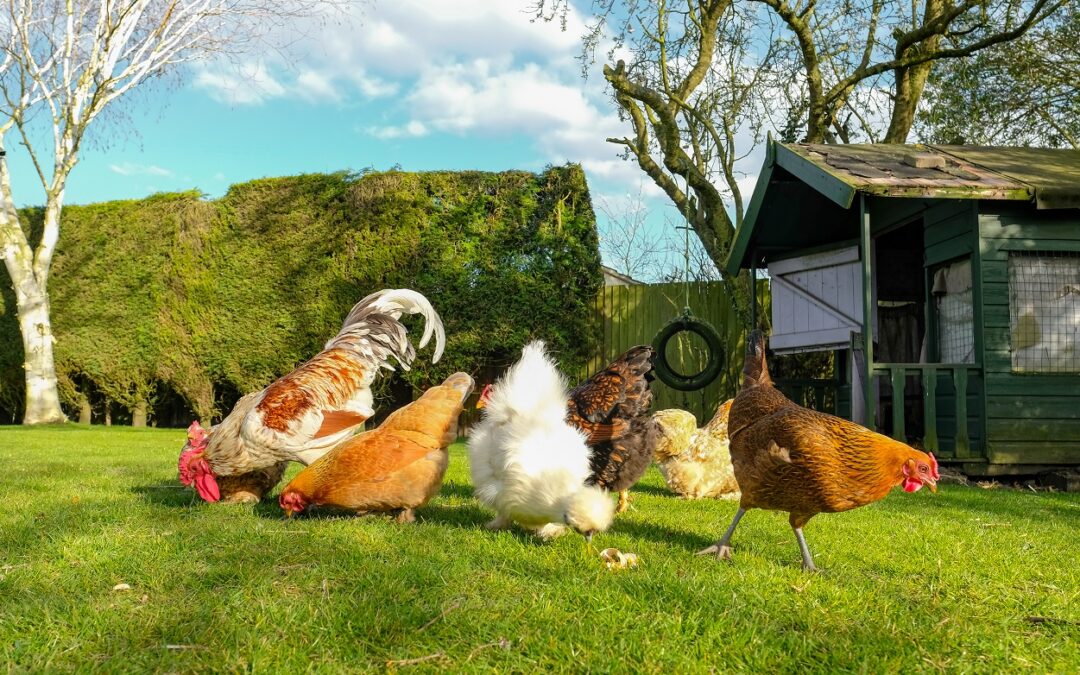
A common mistake in pursuing homestead living is attempting to do everything at once. Women should focus on one or two areas of interest to avoid burnout and overwhelm. For instance, starting with a small vegetable garden or a few chickens can create a manageable foundation for building a more extensive homestead over time. This gradual approach allows for skill development and confidence-building, making the journey more enjoyable.
Key Skills for Modern Homesteading
Developing key skills is fundamental to successful homesteading. Women can benefit from learning gardening techniques, food preservation methods, and basic animal care. Mastering these skills not only provides food security but also fosters independence.
Moreover, understanding the local climate and soil conditions can enhance gardening success. Women should prioritize native plant varieties that require less maintenance and are more resilient. Additionally, engaging in food preservation techniques, such as canning and fermentation, can help extend the harvest and reduce waste.
It’s essential to recognize that skill development takes time and practice. Women should set realistic goals and celebrate small victories along the way. Joining local gardening clubs or online forums can provide valuable resources and support as they build their knowledge base.
Building Community Connections
Community plays a vital role in modern homestead living. Women leading this lifestyle can benefit tremendously from connecting with like-minded individuals. Building relationships with neighbors and local farmers fosters resource sharing and collective problem-solving.
Participating in community events, such as farmers’ markets or local workshops, can enhance social connections and provide opportunities for learning. These gatherings often serve as platforms for exchanging ideas and resources, making it easier to navigate challenges together.
Women should prioritize creating a support network that includes friends, family, and local homesteaders. Strong connections can lead to collaborative projects, shared labor, and emotional support during challenging times. This network can be invaluable when facing unexpected obstacles in homesteading.
Sustainable Practices in Daily Life
Integrating sustainable practices into daily life is crucial for women leading modern homestead living. This can include adopting eco-friendly habits, such as composting, rainwater harvesting, and using organic gardening methods. These practices not only benefit the environment but also contribute to personal health and well-being.
Women should evaluate their consumption habits and seek alternatives that minimize waste. For instance, using reusable containers and shopping at local co-ops can reduce plastic waste and support the local economy. Additionally, cultivating a mindset of resourcefulness can lead to innovative solutions for everyday challenges.
It’s important to remember that sustainability is a journey. Women should focus on making gradual changes that align with their values and lifestyle. Small steps can lead to significant impacts over time, fostering a deeper connection to their environment.

Common Challenges and Solutions
Women leading modern homestead living often encounter various challenges, such as time management, resource limitations, and emotional stress. Addressing these issues proactively can enhance the overall experience of homesteading.
Time management is a common hurdle, especially for those balancing work and family life. Creating a structured schedule that allocates time for homesteading tasks can help maintain balance. Prioritizing essential tasks and delegating responsibilities can alleviate pressure and foster a more enjoyable experience.
Emotional stress can also arise from the demands of homesteading. Women should practice self-care and seek support from their community. Engaging in activities that promote relaxation, such as yoga or meditation, can help maintain mental well-being during challenging times.
Further Reading
Authoritative Sources
- Women in Homesteading
example.comThis resource provides insights into the experiences of women in the homesteading movement, highlighting their contributions and challenges
- Sustainable Living Practices
example.comA comprehensive guide on sustainable living practices that can be integrated into everyday life
- Community Supported Agriculture
example.comInformation on how to connect with local farmers and participate in community-supported agriculture initiatives
Frequently Asked Questions
What is modern homesteading?
Modern homesteading is a lifestyle that emphasizes self-sufficiency, sustainability, and resourcefulness, focusing on food production, conservation, and community engagement.
How can I start homesteading as a beginner?
Begin by choosing a few manageable projects, such as starting a small vegetable garden or raising chickens, and gradually expand as you gain confidence and skills.
What are common challenges in homesteading?
Common challenges include time management, resource limitations, and emotional stress, but these can be mitigated through planning, community support, and realistic goal-setting.
How important is community in homesteading?
Community is vital in homesteading as it fosters collaboration, resource sharing, and emotional support, enhancing the overall experience and success of homesteading endeavors.
What sustainable practices can I adopt at home?
Adopt practices such as composting, rainwater harvesting, and using organic gardening methods to promote sustainability and reduce environmental impact.
Conclusion
Women leading modern homestead living play a crucial role in promoting sustainable practices and self-sufficiency. By focusing on key skills, building community connections, and integrating sustainable habits into daily life, women can create a fulfilling and impactful lifestyle. It’s essential to prioritize manageable goals, seek support, and embrace the journey of homesteading. As you embark on this path, remember that every small step contributes to a larger vision of sustainability and empowerment.