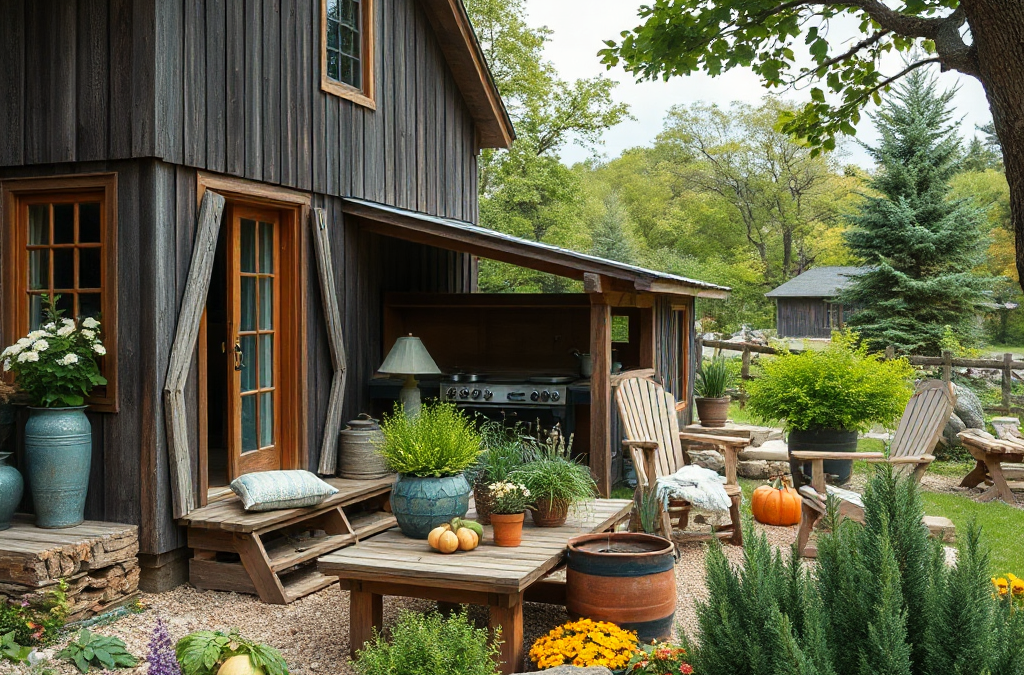
Homestead living remains relevant today as it empowers individuals to achieve self-sufficiency and embrace sustainable practices. By growing their own food and utilizing eco-friendly techniques, homesteaders can create a reliable food source while reducing their environmental impact. This lifestyle fosters a strong connection to nature and encourages community resilience, as neighbors often collaborate and share resources. However, newcomers should start small and set achievable goals to avoid frustration, gradually building their skills in gardening and food preservation. Ultimately, embracing homesteading can lead to healthier living and a more sustainable future for individuals and communities alike.
The Importance of Self-Sufficiency
Self-sufficiency is a cornerstone of homestead living, serving as a buffer against economic fluctuations and food supply uncertainties. By growing their own food, homesteaders can ensure a consistent supply of fresh produce, which not only enhances their diet but also reduces dependency on commercial agriculture. This independence is increasingly important as global supply chains face disruptions.
Moreover, self-sufficiency cultivates skills in gardening, animal husbandry, and food preservation, which are valuable in both urban and rural settings. However, it’s essential to recognize that achieving self-sufficiency requires time, effort, and a willingness to learn. Many newcomers underestimate the challenges of producing their own food, leading to frustration. Setting realistic goals and starting small can help mitigate these issues.
Sustainable Practices in Homesteading
Sustainable practices are integral to homesteading, emphasizing the responsible use of resources while minimizing environmental impact. Techniques such as permaculture, crop rotation, and organic gardening not only enhance soil health but also promote biodiversity. These methods improve food quality and ecological balance, making homesteading a model for environmentally conscious living.
Additionally, incorporating renewable energy sources, such as solar panels or wind turbines, can further reduce reliance on fossil fuels. Many homesteaders find that investing in these technologies pays off in the long run, both financially and environmentally. However, potential homesteaders should carefully assess their local regulations and initial costs associated with implementing these sustainable practices.
Building Community Resilience
Homestead living also contributes to community resilience by fostering connections among neighbors and encouraging local economies. By sharing resources, knowledge, and support, homesteaders can create a network that enhances their collective ability to withstand crises. This sense of community is vital in an increasingly disconnected world.
Participating in local farmers’ markets, cooperative buying groups, or community-supported agriculture (CSA) programs can strengthen these ties and promote a local food system. However, building such community relationships requires commitment and active engagement, which can be a challenge for individuals used to more isolated lifestyles.
Challenges and Misconceptions
Despite the benefits, many misconceptions surround homesteading. Some believe it requires vast amounts of land or extensive agricultural knowledge, which can deter potential newcomers. In reality, homesteading can be adapted to various living situations, including small urban lots or even balconies. The key is to start with what you have and build from there.
Another common misconception is that homesteading is only for those seeking a complete lifestyle change. Many individuals can incorporate homesteading principles into their daily lives, such as growing herbs in pots or participating in community gardening. Understanding these possibilities can make the transition to homesteading less daunting and more accessible.
Frequently Asked Questions
What are the main benefits of homesteading?
Homesteading provides self-sufficiency, promotes sustainable practices, and fosters community resilience, making it a valuable lifestyle choice.
Can I homestead in an urban area?
Yes, urban homesteading is possible through container gardening, vertical gardens, and community gardens, allowing city dwellers to grow food.
What skills do I need to start homesteading?
Basic gardening, food preservation, and animal care skills are beneficial. Many resources are available to help you learn these skills.
Is homesteading time-consuming?
While homesteading requires time and effort, starting small and gradually expanding your projects can make it manageable.
How can I find a homesteading community?
Look for local farmers’ markets, gardening clubs, or online forums to connect with other homesteaders and share resources.
Conclusion
Homestead living remains relevant as it promotes self-sufficiency, sustainable practices, and community resilience. These principles are crucial in today’s unpredictable environment. By exploring homesteading, individuals can cultivate a fulfilling lifestyle that connects them to their food sources and their communities. Start your journey with small steps, focus on what you can achieve, and gradually build your homesteading skills for a more sustainable future.