Developing a self-sufficient energy plan for your homestead involves assessing your energy needs, selecting appropriate renewable energy sources, and implementing energy-efficient practices. Start by evaluating your current energy consumption to identify areas for improvement. Next, consider solar panels, wind turbines, or micro-hydro systems based on your location and budget. Lastly, implement energy-saving measures like insulating your home and using energy-efficient appliances to maximize your self-sufficiency.
Assessing Your Energy Needs
To develop a self-sufficient energy plan for your homestead, the first step is assessing your energy needs. This involves analyzing your current energy consumption patterns, which can provide insight into how much energy you use daily and seasonally. Start by tracking your electricity usage over a month or two. Review your utility bills to determine peak usage times and identify which appliances consume the most energy. This assessment will help you pinpoint areas where you can reduce consumption and optimize your energy use.
Once you have a clear understanding of your energy needs, you can tailor your renewable energy systems to match these requirements. For instance, if your homestead relies heavily on heating in winter, you may need to invest in a more robust energy source to meet those demands. Balancing energy needs with available resources is crucial for creating a sustainable plan.
Selecting Renewable Energy Sources
After assessing your energy requirements, the next step is to select the appropriate renewable energy sources. Common options include solar, wind, and micro-hydro energy systems. Each source has its advantages and considerations based on your homestead’s location, budget, and energy needs.
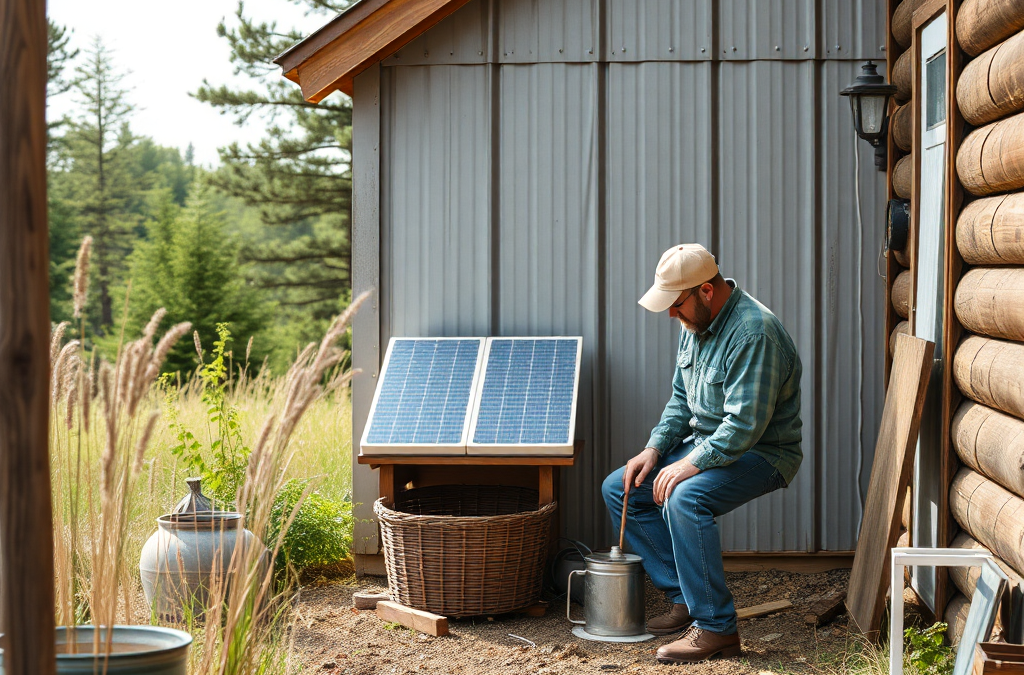
Solar energy is one of the most popular choices for homesteaders due to its versatility and decreasing installation costs. Solar panels can be installed on rooftops or as ground-mounted systems. Wind energy can be an excellent option if you live in an area with consistent wind patterns; small wind turbines can provide substantial energy output. Micro-hydro systems are suitable for properties with access to flowing water, offering a constant energy source.
When selecting a renewable energy system, consider factors like initial costs, maintenance needs, and local regulations. Research available incentives or grants that may offset installation costs. It’s also wise to consult with professionals or local energy experts to determine the best system for your specific situation.
Implementing Energy Efficiency Measures
Implementing energy efficiency measures is a vital part of developing a self-sufficient energy plan. By reducing energy consumption, you can minimize the size and cost of your renewable energy systems. Start by upgrading insulation in your home to prevent heat loss in winter and keep it cool in summer. Effective insulation can significantly reduce heating and cooling costs.
Additionally, consider using energy-efficient appliances and LED lighting. These products consume less energy and can lower your electricity bills. Implementing smart home technologies can also help you monitor and control energy use more effectively, allowing for real-time adjustments based on your habits.
Another strategy is to adopt energy-saving practices, such as using natural light during the day, unplugging devices when not in use, and setting thermostats to energy-saving modes. These small changes can add up to significant energy savings over time.
Monitoring and Maintenance of Energy Systems
Once your renewable energy systems are in place, monitoring and maintaining them is crucial for ensuring optimal performance. Regular checks on solar panels, wind turbines, or hydro systems can help identify issues early and prevent costly repairs. Clean solar panels to maximize energy absorption and check wind turbines for any mechanical issues that may arise.
It’s also beneficial to monitor your energy production and consumption regularly. Many modern systems come with monitoring software that allows you to track energy output and usage patterns. This data can help you adjust your energy plan over time, ensuring that your system continues to meet your needs efficiently.
Regular maintenance not only extends the life of your energy systems but also enhances their efficiency, ensuring that you achieve the self-sufficiency goals you set for your homestead.

Frequently Asked Questions
What are the benefits of a self-sufficient energy plan?
A self-sufficient energy plan reduces reliance on external power sources, lowers energy costs, and increases resilience against energy price fluctuations.
How much does it cost to implement renewable energy systems?
The cost varies widely based on the type of system, size, and installation requirements, but initial investments can be offset by long-term savings and incentives.
Can I combine different renewable energy sources?
Yes, combining sources like solar and wind can provide a more reliable energy supply, as they can complement each other based on weather conditions.
What maintenance is required for renewable energy systems?
Maintenance includes regular cleaning, inspections for wear and tear, and monitoring performance to ensure systems are operating efficiently.
How can I improve the energy efficiency of my homestead?
Improving energy efficiency can be done by upgrading insulation, using energy-efficient appliances, and adopting energy-saving practices in daily routines.
Conclusion
Developing a self-sufficient energy plan for your homestead requires careful assessment of your energy needs, selection of appropriate renewable energy sources, and implementation of energy efficiency measures. Prioritize understanding your energy consumption patterns to tailor your systems effectively. Regular monitoring and maintenance will ensure that your energy systems function optimally, helping you achieve long-term sustainability and independence from traditional energy sources.