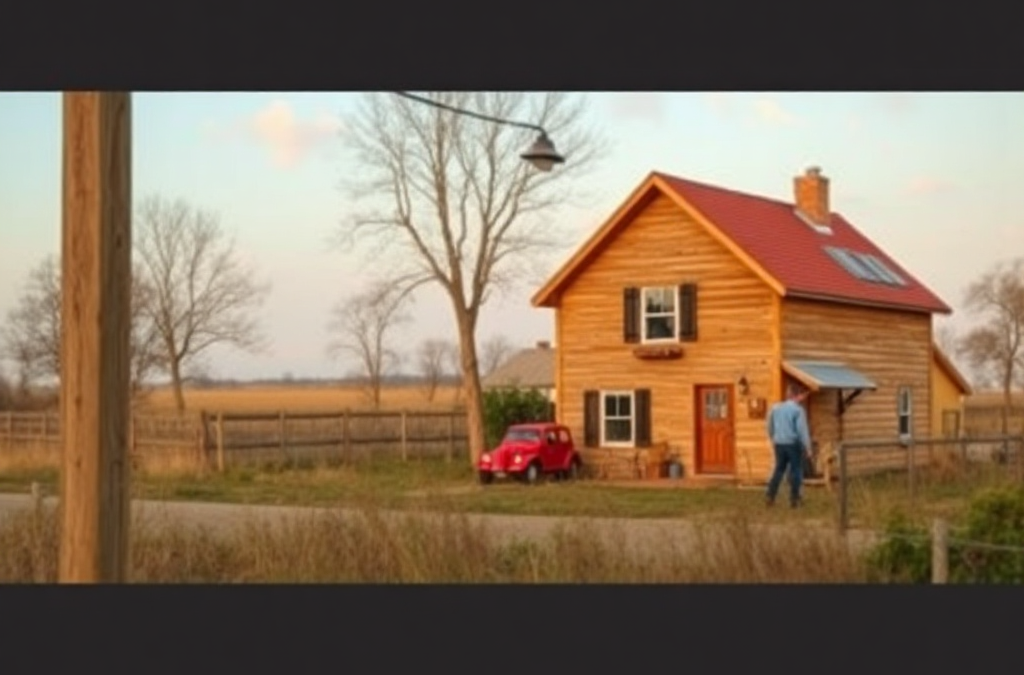
Understanding zoning laws for homestead properties is essential for compliance and successful land use. Homeowners should thoroughly research local zoning codes, which dictate permissible activities like farming or construction. A common mistake is assuming that existing uses are automatically permitted; however, zoning regulations can change, and what was once allowed may no longer be. Engaging with local planning authorities can provide valuable insights and help prevent costly errors, ensuring that your homestead operates within legal boundaries.
Understanding Zoning Laws
Zoning laws are regulations established by local governments to control land use and development. They dictate what activities can occur on specific parcels of land, significantly impacting homestead properties. Understanding these laws is crucial for ensuring that your homestead operates within legal parameters. Zoning laws typically cover areas such as residential, agricultural, commercial, and industrial uses, each with its own set of rules and restrictions.
One common misconception is that homesteaders can freely operate any activity on their property. However, zoning laws may prohibit certain practices, such as livestock farming in residential zones. Failure to comply can result in fines, forced removal of structures, or the cessation of activities deemed illegal. Therefore, it’s essential for homesteaders to thoroughly understand the specific zoning regulations that apply to their property.
Another critical aspect of zoning laws is that they can vary significantly from one locality to another. Even neighboring towns may have different classifications and rules, making it necessary for homesteaders to be diligent in their research. Understanding zoning laws not only helps avoid penalties but also informs decisions about property modifications, expansions, or new projects.
Researching Local Regulations
Researching local zoning regulations is the first step in effectively navigating zoning laws for homestead properties. Most local governments provide access to zoning maps and codes online, and these resources are invaluable for understanding how land can be used. When researching, homeowners should look for the following:
- Zoning Maps: These provide a visual representation of zoning classifications across different areas.
- Zoning Ordinances: These documents contain detailed descriptions of allowed uses, building heights, setbacks, and other restrictions.
- Land Use Plans: These outline the community’s vision for development and land use, which can influence zoning regulations.
Homesteaders should also check for any overlays or special zoning districts that might impose additional rules. For example, areas designated as historical districts may have stricter guidelines regarding renovations and property modifications.
Additionally, it’s critical to stay informed about any changes in zoning laws. Local governments often hold public meetings to discuss proposed changes or updates, and attending these meetings can provide insight into future regulations that may affect your homestead.
Common Zoning Classifications for Homesteads
Homestead properties can fall under various zoning classifications, each with unique rules and implications. Here are some common classifications that homesteaders should be aware of:
- Agricultural (AG): This zoning allows for farming and related activities, including livestock. However, there may be restrictions on the types and numbers of animals permitted.
- Residential (R): Primarily for housing, this classification may limit agricultural activities and require permits for any commercial use.
- Commercial (C): If a homesteader plans to run a business, understanding commercial zoning is essential, as it often has specific requirements for signage, parking, and operation hours.
- Mixed-Use (MU): This classification allows for a combination of residential and commercial uses, providing flexibility for homesteaders who want to incorporate business activities.
Each classification comes with its own set of regulations regarding building structures, property usage, and even the types of activities that can be conducted. For instance, a homesteader in a residential zone might face restrictions on running a farm stand or hosting events on their property.
Understanding these classifications helps homesteaders to plan their properties effectively, ensuring compliance with local laws while maximizing their land’s potential.
Engaging with Local Authorities
Engaging with local authorities is a crucial step in navigating zoning laws for homestead properties. Building a good relationship with local planning and zoning offices can provide clarity and support for homesteaders. Here are some practical steps to take:
- Schedule Meetings: Meeting with zoning officials can help clarify any questions regarding regulations and requirements.
- Attend Public Hearings: These meetings often address zoning changes and can provide insight into community priorities and upcoming regulations.
- Submit Applications Early: If planning any changes to the property, submitting applications ahead of time ensures compliance and gives local authorities time to review and respond.
Additionally, local authorities can provide information on any grants or programs available for homesteaders looking to improve their properties. Understanding the local government’s approach can also help in identifying potential allies who may support your homesteading efforts.
Frequently Asked Questions
What are zoning laws?
Zoning laws are regulations that govern how land can be used, dictating allowable activities and developments on specific properties.
How can I find my property’s zoning classification?
You can find your property’s zoning classification by checking local government zoning maps and ordinances, often available online.
What happens if I violate zoning laws?
Violating zoning laws can lead to fines, required removal of non-compliant structures, or cessation of prohibited activities.
Can I change my property’s zoning classification?
Yes, you can apply for a zoning change, but it typically requires public hearings and approval from local zoning boards.
What is the difference between residential and agricultural zoning?
Residential zoning primarily allows for housing, while agricultural zoning permits farming and related activities, often with fewer restrictions.
Conclusion
Navigating zoning laws for homestead properties is essential for ensuring compliance and maximizing the potential of your land. By understanding local regulations, researching zoning classifications, and engaging with local authorities, homesteaders can avoid common pitfalls and make informed decisions about their property. Taking proactive steps to understand and comply with zoning laws not only protects investments but also enhances the overall viability of homesteading endeavors.