
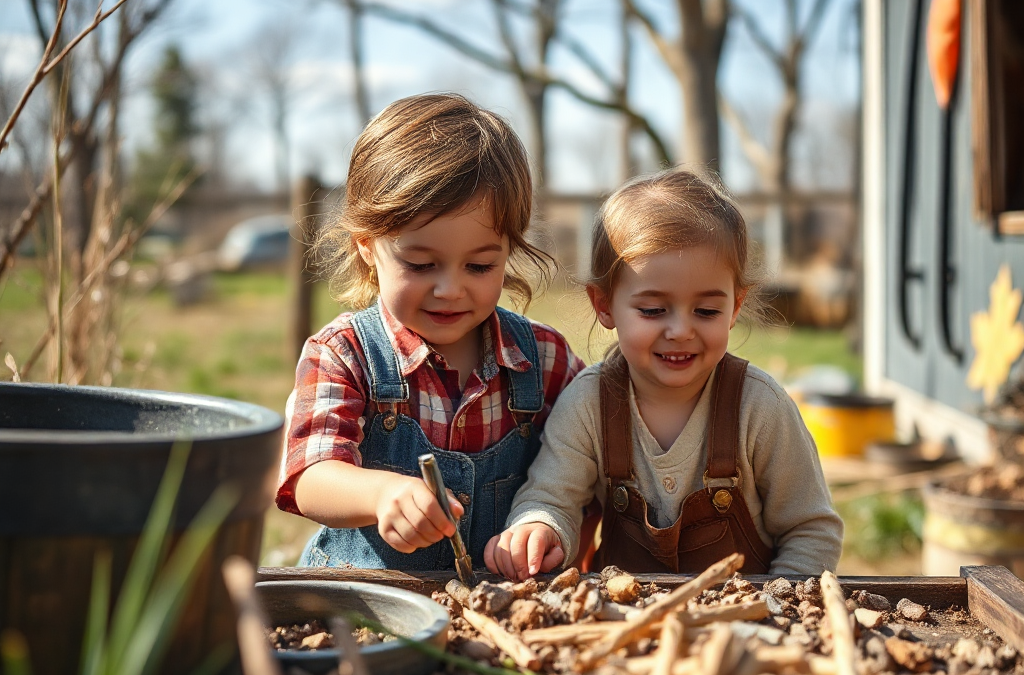
To introduce children to homesteading skills, engage them in hands-on activities like gardening, animal care, and cooking. Start by allowing them to plant seeds and tend to the garden, which teaches responsibility and patience. Involve them in caring for small animals, fostering empathy and understanding of food sources. Cooking together using homegrown ingredients can enhance their appreciation for food and nutrition. These experiences build essential life skills and promote a sustainable mindset from a young age.
The Importance of Teaching Homesteading Skills
Introducing children to homesteading skills is essential for fostering a sense of responsibility, self-sufficiency, and an understanding of where food comes from. These skills not only provide practical knowledge but also instill values such as hard work, patience, and respect for the environment. As children learn to grow their own food, care for animals, and participate in household tasks, they develop a deep connection to nature and the resources they rely on.
Moreover, early exposure to these skills can lead to healthier lifestyle choices as children understand the effort behind food production and the benefits of eating fresh, homegrown produce. This knowledge can counteract the convenience of processed foods, encouraging them to make informed dietary choices as they grow older. Emphasizing these skills also prepares them for potential future challenges related to food security and environmental sustainability.
Hands-On Activities for Children
Engaging children in hands-on activities is one of the best methods to teach homesteading skills. Here are some practical activities to consider:
- Gardening: Start with simple tasks like planting seeds, watering plants, and weeding. This can teach children about plant life cycles, responsibility, and the joy of nurturing something to fruition.
- Animal Care: If feasible, involve children in caring for small animals like chickens, goats, or rabbits. This can teach them about animal husbandry, empathy, and the role of animals in a sustainable homestead.
- Cooking: Utilize homegrown produce to cook meals together. This not only teaches cooking skills but also emphasizes nutrition and the importance of fresh ingredients.
- Preserving Food: Teach children about food preservation methods such as canning, drying, or freezing. This can be a fun and educational activity that also emphasizes resourcefulness.
- Crafting: Introduce skills like woodworking or sewing, which are valuable for creating useful items around the homestead.
Through these activities, children can see the direct results of their efforts, which can be incredibly rewarding and motivating.
Incorporating Homesteading into Daily Life
To effectively teach homesteading skills, it’s beneficial to incorporate these practices into daily life. This can be done by assigning age-appropriate chores that revolve around homesteading activities. For example, younger children can help with watering plants or collecting eggs, while older children can take on more complex tasks like planning a garden layout or managing composting.
Additionally, involve children in family discussions about meals, food sourcing, and sustainability practices. Encourage them to suggest recipes using homegrown ingredients or to help plan seasonal meals. This not only reinforces their learning but also makes them feel valued as contributors to family life.
Field trips to local farms, farmers’ markets, or community gardens can also enhance their understanding of homesteading concepts, allowing them to see these skills in action beyond the home environment.
Creating a Supportive Learning Environment
A supportive learning environment is crucial for fostering a love of homesteading skills in children. This includes providing them with the necessary tools and resources, such as child-sized gardening tools or safe cooking utensils. Create a designated space for them to explore, whether it’s a small garden plot or a crafting area.
Encouragement and positive reinforcement go a long way. Celebrate their successes, no matter how small, and help them learn from failures without discouragement. Share stories or examples of challenges faced in homesteading to help them understand that setbacks are a part of the learning process.

Moreover, engage with them in discussions about the importance of sustainability and conservation. Help them understand how their actions impact the environment and the importance of making eco-friendly choices.
Frequently Asked Questions
What age is appropriate to start teaching homesteading skills?
Children can start learning homesteading skills as early as preschool age, with simple tasks like watering plants or collecting eggs.
How can I make gardening fun for my kids?
Incorporate games, colorful plant markers, and themed garden plots to make gardening enjoyable and engaging for children.
What are some safety tips for children working with tools?
Always supervise children when using tools, provide age-appropriate equipment, and teach them proper handling and safety techniques.
How can I encourage my child to eat more vegetables?
Involve them in growing the vegetables and cooking meals together, which can increase their interest and willingness to try new foods.
Conclusion
Introducing children to homesteading skills is a rewarding endeavor that cultivates responsibility, self-sufficiency, and a connection to nature. By engaging them in hands-on activities, incorporating these skills into daily life, and creating a supportive learning environment, parents can instill valuable lessons that will last a lifetime. As children grow in their knowledge and abilities, they will develop a deeper appreciation for sustainable living and the resources around them, ultimately preparing them for a more self-sufficient future.


