
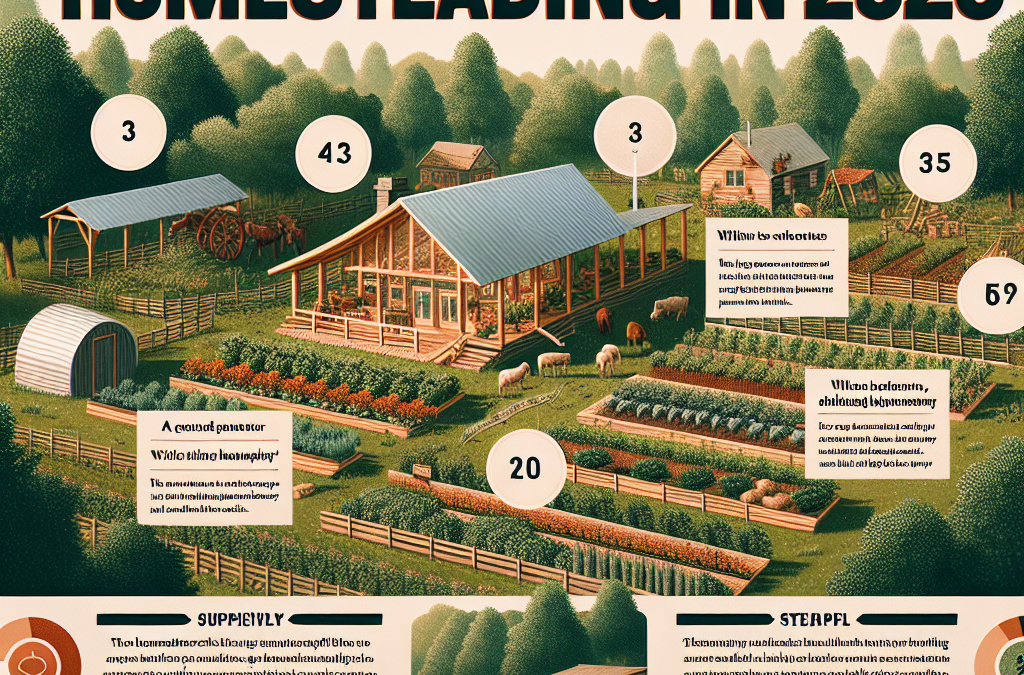
Many people are returning to homesteading principles as they recognize the benefits of growing their own food and reducing their carbon footprint. This shift is driven by concerns over food security, environmental sustainability, and a desire for a more meaningful connection to the land. However, transitioning to a homesteading lifestyle presents challenges, including the need for practical skills, resource management, and understanding local regulations.
Common mistakes include underestimating the time and effort required to maintain a homestead or overlooking the importance of community support. Understanding these aspects is crucial for anyone considering this lifestyle, as they can significantly impact the success and enjoyment of homesteading.
Understanding the Core Principles of Homesteading
At its core, homesteading is about self-reliance and sustainable living. This lifestyle encourages individuals to produce their own food, create their own energy, and live in harmony with nature. The principles of homesteading include permaculture practices, organic gardening, and animal husbandry. These practices are not only environmentally friendly but also empower individuals to take control of their food sources.
Many homesteaders find that growing their own food leads to a healthier diet and a greater appreciation for the food they consume. Additionally, learning skills such as canning, preserving, and cooking from scratch can foster a deeper connection to one’s food and its origins. However, potential homesteaders should be aware that these practices require a commitment to ongoing education and skill development.
One common oversight is underestimating the learning curve associated with these practices. New homesteaders often expect immediate results, leading to frustration. It’s essential to approach the journey with patience and an openness to learning from both successes and failures.
Practical Benefits of Homesteading Today
Homesteading offers numerous benefits that are increasingly relevant in today’s society. Firstly, it promotes food security by allowing individuals to grow their own produce, which can be particularly important during times of economic uncertainty or supply chain disruptions. Additionally, homesteading can lead to significant cost savings on groceries and household expenses.
Moreover, the act of growing food and raising animals can improve mental health and well-being. Engaging with nature has been shown to reduce stress and enhance overall happiness. Furthermore, homesteading fosters a sense of community as individuals often share resources, knowledge, and even produce with their neighbors.
However, those considering homesteading should weigh the trade-offs. While the benefits are significant, the initial investment of time, money, and effort can be substantial. It’s crucial to set realistic expectations and develop a long-term plan that considers these factors.
Common Challenges and Mistakes in Homesteading
Transitioning to a homesteading lifestyle is not without its challenges. Many new homesteaders struggle with time management as they juggle homesteading tasks with other life responsibilities. It’s easy to become overwhelmed by the sheer volume of work involved in maintaining a homestead.
Additionally, financial planning is crucial. Homesteading can require upfront investments in land, tools, seeds, and livestock. Underestimating these costs can lead to financial strain and burnout. It’s essential to create a budget and plan for both initial and ongoing expenses.
A common mistake is neglecting to build a support network. Homesteading can be isolating, and having a community for sharing advice and resources is invaluable. Engaging with local homesteading groups or online communities can provide support and encouragement.
Getting Started with Your Own Homestead
Starting a homestead can be an exciting venture, but it’s important to approach it methodically. Begin by assessing your available resources, including land, water, and finances. Determine what aspects of homesteading are most important to you—whether it’s gardening, livestock, or renewable energy—and focus your efforts there.

Setting achievable goals is crucial. Start small by growing a few vegetables or raising a couple of chickens. As you gain experience and confidence, you can expand your efforts. Documenting your progress can help maintain motivation and provide insight into what works and what doesn’t.
Above all, be patient and adaptable. Homesteading is a journey filled with learning opportunities, and flexibility is key to overcoming the inevitable challenges that arise.
Further Reading
Authoritative Sources
- Rodale’s Organic Life
rodalesorganiclife.comA comprehensive resource on organic gardening and sustainable living practices
- Mother Earth News
motherearthnews.comAn informative publication focused on self-sufficient living, homesteading, and sustainable agriculture
- Permaculture News
permaculturenews.orgOffers insights and techniques on permaculture and sustainable farming methods
- USDA Natural Resources Conservation Service
nrcs.usda.govProvides resources and support for land conservation, including sustainable farming practices
Frequently Asked Questions
What is homesteading?
Homesteading is a lifestyle focused on self-sufficiency, where individuals produce their own food, manage resources, and live sustainably.
How can I start homesteading on a budget?
Start small by growing a few vegetables and gradually expand your efforts. Use recycled materials and seek free resources to minimize costs.
What are the main challenges of homesteading?
Common challenges include time management, financial planning, and acquiring necessary skills. Many new homesteaders experience burnout if they overcommit.
Is homesteading suitable for urban environments?
Yes, urban homesteading is possible through container gardening, rooftop gardens, and community gardens. Many principles of homesteading can be adapted to smaller spaces.
How do I find a community of homesteaders?
Look for local homesteading groups, workshops, or online forums where you can connect with others interested in homesteading.
Conclusion
Ultimately, homestead living still matters for its ability to foster self-sufficiency, sustainability, and community resilience. As individuals seek to reclaim their connection to the land and reduce reliance on industrial systems, understanding the principles and practices of homesteading is crucial. Prioritize education, community support, and a realistic approach to goals. Begin your journey with small, manageable steps, and embrace the learning process. With dedication and patience, homesteading can lead to a more fulfilling and sustainable lifestyle.


