To effectively set up a weekend homestead, one must prioritize essential tools and resources that streamline activities. Many new homesteaders overlook the importance of proper planning, leading to inefficient use of time and resources. It’s essential to assess your available space, decide on the crops that thrive in your climate, and choose livestock that aligns with your goals. This foundational planning can prevent common pitfalls.
Another common mistake is underestimating the commitment needed for a weekend homestead. While managing tasks over weekends may seem feasible, the reality often entails more time and effort than expected. Prioritizing tasks based on seasonal needs and developing a flexible schedule can mitigate these challenges and enhance productivity.
Choosing the Right Location for Your Homestead
The location of your homestead significantly impacts its success. Key factors include soil quality, access to water, and proximity to resources. A well-drained area with rich soil can enhance crop yields, while a reliable water source is vital for both plants and livestock. Assessing these elements before purchasing land can save time and money in the long run.
Consider also the local climate and how it influences your farming choices. Different regions may favor specific crops or livestock, and understanding these nuances can lead to better planning and setup. For example, if you live in a region with short growing seasons, you may want to focus on fast-growing crops or consider a greenhouse for extended production.
Additionally, zoning laws and regulations can affect your setup. Ensure you research local ordinances regarding livestock and gardening to avoid future complications. Engaging with local homesteading communities can provide valuable insights into navigating these regulations.
Essential Tools for Weekend Homesteading
Equipping yourself with the right tools is crucial for a successful weekend homestead. Essential tools often include a high-quality shovel, hoe, rake, and wheelbarrow for gardening, as well as basic hand tools for maintenance and repairs. Investing in durable tools can reduce long-term costs and enhance efficiency.
In addition to hand tools, consider machinery that can save time and labor. A small tractor or tiller can significantly speed up land preparation and cultivation. However, weigh the costs against your budget and space; larger machinery may not be necessary for smaller plots.
Don’t forget about storage solutions for your tools and supplies. Creating a designated area for tools helps maintain organization and efficiency, ensuring that everything is readily accessible when needed. Many homesteaders opt for portable sheds or organized garage spaces to keep their equipment in top condition.
Creating a Sustainable Garden Plan
A sustainable garden plan is the backbone of any weekend homestead. Start by determining which crops align with your climate and soil type. Crop rotation can enhance soil health and yield, preventing pest buildup and nutrient depletion. Planning your planting schedule around seasonal changes can also optimize your harvests.
Consider companion planting as a strategy to enhance your garden’s ecosystem. Certain plants can benefit each other by repelling pests or improving soil quality. For instance, planting marigolds alongside vegetables can deter harmful insects while attracting beneficial pollinators.
Lastly, don’t overlook the importance of composting. Creating a compost area can recycle kitchen scraps and yard waste, providing nutrient-rich material for your garden. This not only reduces waste but also fosters a healthier growing environment.
Selecting Livestock for Your Homestead
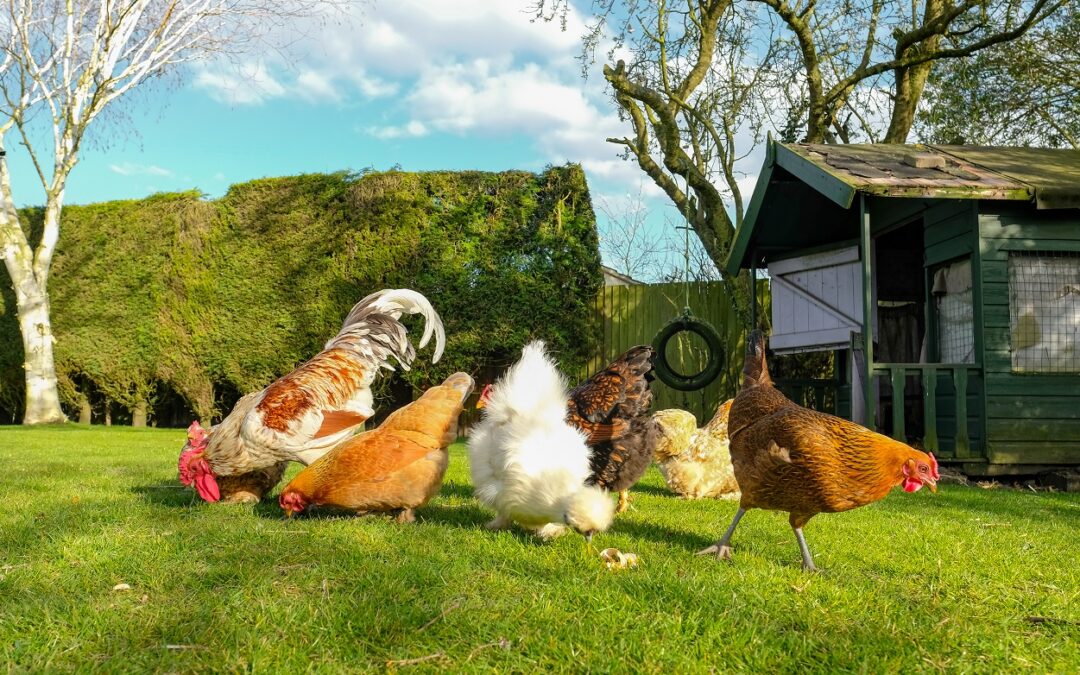
Choosing the right livestock is essential for both productivity and sustainability. Common options for weekend homesteaders include chickens, goats, and rabbits, each offering unique benefits. Chickens provide eggs and natural pest control, while goats can assist in land clearing and provide milk.

Assess your space and resources before making decisions. Smaller animals like rabbits require less space and are easier to manage, making them a great choice for beginners. Conversely, larger livestock demands more commitment in terms of space, food, and care.
Additionally, consider the time needed for daily care. Livestock requires regular feeding, watering, and health monitoring. Establish a manageable routine that fits your weekend schedule to ensure their well-being without overwhelming yourself.
Further Reading
Authoritative Sources
- Backyard Chickens
backyardchickens.comA comprehensive resource for keeping chickens, including care guides and community advice
- Rodale’s Organic Life
rodalesorganiclife.comOffers insights into organic gardening and sustainable living practices
- The Prairie Homestead
theprairiehomestead.comFeatures practical tips and stories from experienced homesteaders
- Mother Earth News
motherearthnews.comProvides articles on sustainable living, homesteading practices, and DIY projects
Frequently Asked Questions
What is the best way to start a weekend homestead?
Begin by researching your local climate and soil conditions, then choose appropriate crops and livestock. Planning your layout and tools is also crucial for efficiency.
How much time should I dedicate to my weekend homestead?
While it varies, aim for at least 8-10 hours each weekend for maintenance and tasks. Adjust based on the size of your homestead and specific needs.
What are common mistakes in homesteading?
Common mistakes include overcommitting, neglecting planning, and underestimating the time needed for livestock care. Start small and scale up as you gain experience.
Can I homestead on a small plot of land?
Yes, even small plots can support a weekend homestead. Focus on vertical gardening and selecting compact livestock or poultry to maximize productivity.
Is it possible to be self-sufficient on weekends only?
While challenging, it is possible with careful planning and efficient use of time. Prioritize essential tasks and consider automation where feasible.
Conclusion
Establishing a weekend homestead lifestyle is an enriching endeavor that requires thoughtful planning and commitment. Prioritize choosing the right location, equipping yourself with essential tools, and creating a sustainable garden plan. Remember to select livestock that aligns with your goals and available resources. By avoiding common pitfalls and focusing on efficiency, you can successfully manage a productive weekend homestead that enriches your life and supports your self-sufficiency goals.