
A weekend homestead lifestyle setup involves creating a sustainable living environment that can be effectively managed even with limited time. This setup allows individuals to engage in self-sufficiency by growing food, raising animals, and utilizing natural resources while balancing other life commitments. The first step is to assess available land and determine what can realistically be accomplished within your time constraints.
Many aspiring homesteaders overlook the importance of realistic planning, which can lead to overwhelm and disappointment. It’s crucial to prioritize tasks that can yield immediate benefits, such as planting easy-to-grow crops or starting with a small number of chickens. Understanding the seasonal demands and time required for each aspect of homesteading will help you avoid pitfalls and ensure a more enjoyable experience.
Choosing the Right Location
Choosing the right location for your weekend homestead is crucial for success. Factors such as sunlight, water access, and soil quality will greatly influence what you can grow and how well your plants and animals will thrive. Look for areas that receive ample sunlight, have good drainage, and are easily accessible for maintenance.
Additionally, consider local zoning laws and regulations that may impact what you can do on your property. Understanding these factors upfront will help you avoid legal issues down the line and ensure your homestead operates smoothly. Always evaluate your site for its potential and limitations to make informed decisions about your setup.
Essential Tools and Resources
Having the right tools and resources is vital for a successful homesteading experience. Basic gardening tools, such as shovels, hoes, rakes, and watering systems, are essential for maintaining your crops. Additionally, invest in a good-quality compost bin, seed storage, and irrigation solutions to maximize your productivity.
Moreover, consider accessibility to local resources like feed stores, gardening clubs, and agricultural extensions, which can offer valuable information and support. Building a network with other homesteaders can provide insights and shared resources, making your journey easier and more enjoyable.
Crop Selection and Planning
Effective crop selection and planning are foundational to a successful weekend homestead. Start by choosing crops that are well-suited to your climate and soil type. Focus on fast-growing vegetables and herbs that can provide food quickly, such as radishes, lettuce, and basil.
Consider implementing a crop rotation strategy to maintain soil health and prevent pest issues. Planning your planting schedule around local frost dates and seasonal changes will also ensure that you maximize your growing season. Always keep track of your successes and failures to refine your approach in future seasons.
Animal Husbandry Basics
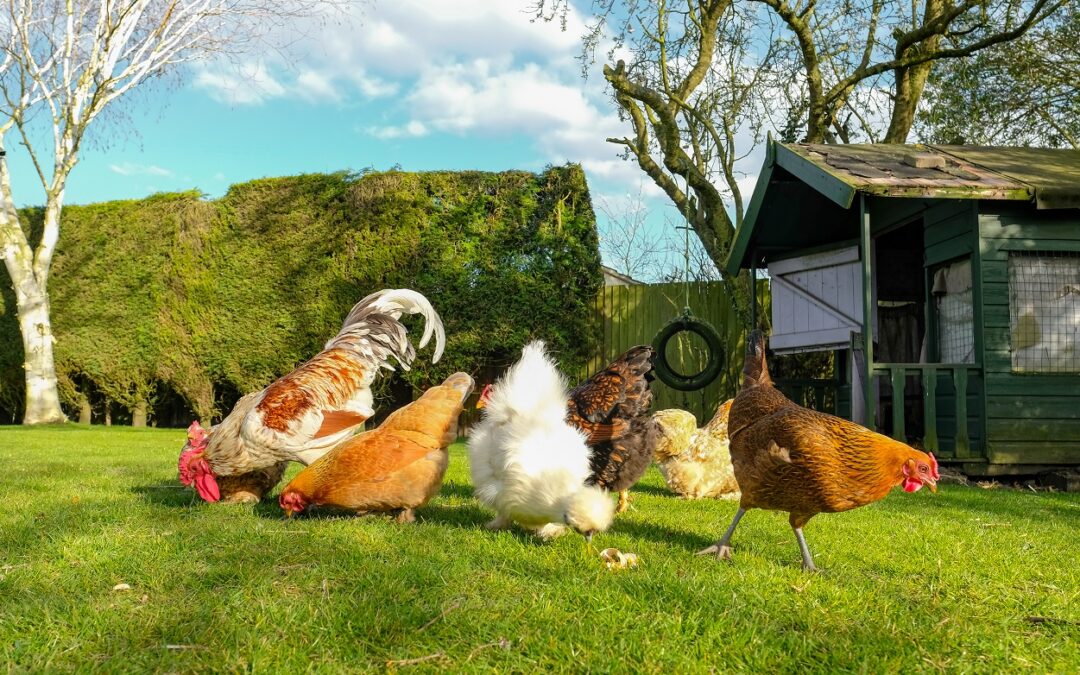
Integrating animals into your weekend homestead can enhance sustainability and productivity. Start with a small number of animals, such as chickens or rabbits, which require less space and are easier to manage. Understand the basic needs of your animals, including housing, feeding, and healthcare requirements.
Regularly assess their living conditions and ensure they have access to clean water and safe shelter. Learning about animal behavior and health will help you avoid common mistakes and ensure a thriving environment for your livestock. Over time, you can expand your animal husbandry efforts based on your capacity and experience.

Frequently Asked Questions
What is a weekend homestead lifestyle setup?
A weekend homestead lifestyle setup is a part-time approach to sustainable living where individuals grow food and raise animals while balancing other commitments.
How much space do I need for a weekend homestead?
Even a small plot of land can be effective; aim for at least 1/4 acre to start growing crops and raising a few animals.
What crops are best for beginners?
Beginner-friendly crops include radishes, lettuce, and herbs like basil, which are quick to grow and easy to manage.
Can I raise animals on a weekend homestead?
Yes, start with small animals like chickens or rabbits, which require less space and are easier to care for.
What are the initial costs of setting up a homestead?
Initial costs can vary, but budgeting for tools, seeds, and basic animal care supplies is essential; expect to invest a few hundred dollars to start.
Conclusion
Establishing a weekend homestead lifestyle setup is an achievable goal that allows for sustainable living even with time constraints. Focus on realistic planning, prioritize crops and animals that fit your available resources, and connect with local networks for support. As you gain experience and confidence, expand your homesteading efforts to create a more self-sufficient lifestyle.


