
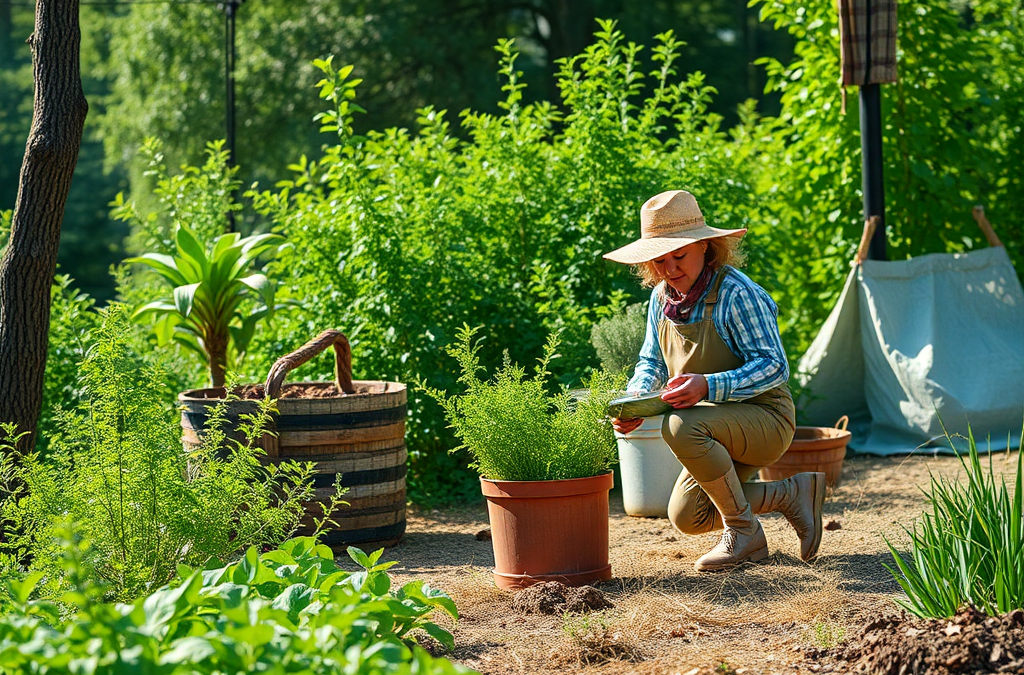
Minimizing environmental impact on your homestead involves adopting sustainable practices like composting, utilizing renewable energy sources, and implementing water conservation techniques. These strategies not only reduce waste and energy consumption but also enhance the health of your land and ecosystem. Key methods include creating a permaculture garden, using solar panels, and collecting rainwater, which together can significantly lower your carbon footprint and promote biodiversity.
Implementing Sustainable Gardening Practices
Adopting sustainable gardening practices is essential for minimizing environmental impact on your homestead. These practices not only promote biodiversity but also contribute to soil health and reduce the need for chemical fertilizers. For instance, implementing permaculture principles encourages a self-sustaining ecosystem where plants, animals, and soil work together harmoniously.
One effective method is crop rotation, which helps maintain soil fertility and prevents pest buildup. By rotating different crops in your garden, you can reduce the risk of diseases and soil depletion. Additionally, incorporating companion planting can enhance plant growth and deter pests naturally. For example, planting marigolds alongside vegetables can repel harmful insects.
Another key practice is composting. By composting kitchen scraps and yard waste, you can create nutrient-rich soil amendments that reduce the need for synthetic fertilizers. This process not only diverts organic waste from landfills but also enriches your garden soil, promoting healthy plant growth.
Lastly, consider using native plants in your landscaping. Native plants are adapted to local conditions and require less water and maintenance, thus reducing resource consumption. They also provide habitat for local wildlife, contributing to a balanced ecosystem.
Utilizing Renewable Energy Sources
Transitioning to renewable energy sources is a powerful way to minimize the environmental impact of your homestead. Solar panels, wind turbines, and biomass systems can significantly reduce reliance on fossil fuels and lower greenhouse gas emissions.
Solar energy is particularly popular among homesteaders. By installing solar panels, you can harness sunlight to power your home and appliances. This not only decreases your electricity bills but also contributes to a cleaner environment. Many states offer incentives for solar installations, making it a financially viable option for many homesteaders.
Wind energy is another renewable source worth considering, especially in areas with consistent wind patterns. Small wind turbines can generate electricity for your homestead, further decreasing reliance on traditional power grids.
Biomass energy, derived from organic materials, is another sustainable option. Utilizing wood chips, agricultural residues, or even animal waste can provide heating and energy for your homestead, reducing waste and reliance on non-renewable sources.
Water Conservation Techniques
Water conservation is vital for minimizing environmental impact, especially in regions prone to drought. Implementing effective water-saving techniques can help maintain your homestead’s sustainability while protecting this precious resource.
One of the most effective methods is rainwater harvesting. By installing rain barrels or a cistern, you can collect and store rainwater for use in irrigation and other non-potable applications. This not only reduces water bills but also decreases the strain on local water supplies.
Additionally, consider xeriscaping your landscape. This approach involves designing gardens with drought-resistant plants, which require less water and maintenance. Native plants are particularly well-suited for xeriscaping, as they thrive in local conditions and support local wildlife.
Implementing drip irrigation systems can further enhance water conservation. These systems deliver water directly to the root zones of plants, minimizing evaporation and runoff. By using timers and moisture sensors, you can optimize watering schedules, ensuring that plants receive adequate moisture without waste.

Waste Reduction and Recycling
Reducing waste and recycling are crucial components of minimizing environmental impact on your homestead. By adopting practices that minimize waste generation, you can contribute to a healthier planet.
Start by evaluating your household waste. Identify items that can be composted, recycled, or repurposed. Many homesteaders find creative ways to reuse materials, such as using old pallets for garden beds or creating compost bins from scrap wood.
Establishing a recycling system can help streamline the process. Clearly labeled bins for paper, plastics, and metals make it easier for everyone in the household to participate. Consider contacting local recycling centers to understand what materials are accepted and how to properly prepare them for recycling.
Additionally, consider reducing single-use plastics by opting for reusable containers, bags, and utensils. This not only minimizes waste but also often saves money in the long run. Many homesteaders find that investing in high-quality reusable items pays off over time.
Frequently Asked Questions
What are some easy ways to start reducing my environmental impact on my homestead?
Begin by composting kitchen scraps, using rain barrels for water collection, and opting for native plants in your garden.
How does permaculture help in minimizing environmental impact?
Permaculture creates a self-sustaining ecosystem that maximizes resource efficiency and promotes biodiversity, reducing the need for external inputs.
What renewable energy sources are best for homesteads?
Solar panels and small wind turbines are popular choices, as they can significantly reduce energy costs and reliance on fossil fuels.
How can I conserve water on my homestead?
Implement rainwater harvesting, use drip irrigation, and select drought-resistant plants to effectively conserve water.
What are some effective waste reduction strategies?
Evaluate your waste, establish a recycling system, and reduce single-use plastics by choosing reusable alternatives.

