To enhance soil quality on your homestead, focus on incorporating organic matter, practicing crop rotation, and utilizing cover crops. Organic matter, such as compost, improves soil structure and nutrient availability, while crop rotation helps prevent nutrient depletion and pest buildup. Additionally, cover crops can protect the soil from erosion and improve its fertility. Be cautious not to over-till your soil or ignore soil testing, as these practices can lead to long-term degradation of soil health. Prioritizing these methods will lead to a more productive and sustainable homestead.
Understanding Soil Health
Soil health is the foundation of productive homesteading. It encompasses the biological, chemical, and physical properties of soil that support plant growth. Healthy soil is rich in organic matter, has good structure, and is teeming with beneficial microorganisms. Recognizing the significance of soil quality is essential for achieving sustainable yields and maintaining a thriving homestead.
Soil health affects everything from nutrient availability to water retention. For instance, soils high in organic matter can hold more moisture, reducing the need for frequent irrigation. Additionally, healthy soils foster a diverse ecosystem of microbes that help decompose organic matter and release nutrients back into the soil. Failing to prioritize soil health can lead to erosion, nutrient depletion, and reduced crop yields.
Organic Matter and Composting
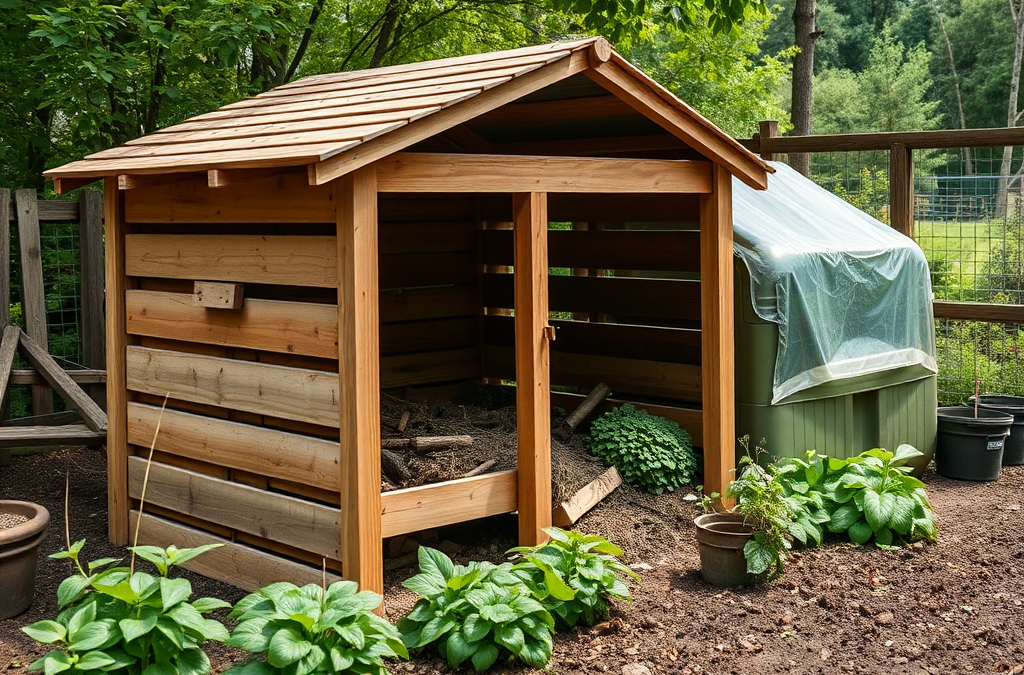
Incorporating organic matter into your soil is one of the most effective ways to enhance its quality. Organic matter improves soil structure, increases nutrient availability, and enhances moisture retention. A great way to add organic matter is through composting.
Composting involves collecting kitchen scraps, yard waste, and other organic materials, then allowing them to decompose into nutrient-rich compost. This compost can then be mixed into garden beds or used as a top dressing. A common mistake is adding too many high-carbon materials, like dry leaves, without balancing them with nitrogen-rich materials, like grass clippings or food scraps. Aim for a balanced mix to ensure successful composting.
Crop Rotation and Diversity
Implementing crop rotation is another vital technique for enhancing soil quality. Growing different crops in succession helps prevent nutrient depletion and reduces the risk of soil-borne diseases. For example, rotating nitrogen-fixing legumes with nutrient-hungry crops like corn can maintain soil fertility.
In addition to crop rotation, diversifying plant types can improve soil health. Companion planting, where different plants are grown together for mutual benefits, can lead to healthier soil. However, it’s important to research compatible plants, as some combinations can hinder growth rather than help. A common pitfall is sticking to the same crops year after year, which can lead to pest build-up and soil nutrient imbalances.
Cover Crops and Green Manures
Cover crops, or green manures, are grown primarily to improve soil quality rather than for harvest. These crops are planted during the off-season to cover the soil, preventing erosion and suppressing weeds. They also contribute organic matter when tilled back into the soil.
Common cover crops include clover, rye, and vetch, which can enhance soil fertility and structure. However, it’s crucial to terminate these crops before they set seed to prevent them from becoming weeds. Not managing cover crops properly can lead to competition with main crops and hinder growth. Understanding when and how to incorporate cover crops based on your specific climate and soil type is essential for maximizing their benefits.
Soil Testing and Amendments
Regular soil testing is critical for understanding the nutrient composition and pH of your soil. Testing allows you to make informed decisions about amendments needed to enhance soil quality. Most local extension services offer soil testing at a reasonable fee.

Once you have your soil test results, consider what amendments are necessary. Common amendments include lime to raise pH, sulfur to lower it, and various fertilizers to address nutrient deficiencies. A frequent oversight is applying amendments without testing, which can lead to over-application and nutrient imbalances. Prioritize testing to ensure your amendments are effective and beneficial to your soil’s health.
Frequently Asked Questions
What is the best way to improve soil quality?
The best way to improve soil quality includes adding organic matter, practicing crop rotation, and using cover crops.
How often should I test my soil?
It’s advisable to test your soil every 2-3 years to monitor nutrient levels and pH.
Can I use kitchen scraps for composting?
Yes, kitchen scraps are excellent for composting but avoid adding meat or dairy products.
What are cover crops, and why should I use them?
Cover crops are plants grown to improve soil health; they prevent erosion and add organic matter.
How does crop rotation benefit soil?
Crop rotation helps prevent nutrient depletion and reduces disease risk by varying plant families.
Conclusion
Enhancing soil quality on your homestead is essential for sustainable agriculture and improved crop yields. By focusing on incorporating organic matter, practicing crop rotation, utilizing cover crops, and conducting regular soil tests, you can create a thriving ecosystem that supports healthy plant growth. Prioritize these methods to ensure your soil remains fertile and productive for years to come.