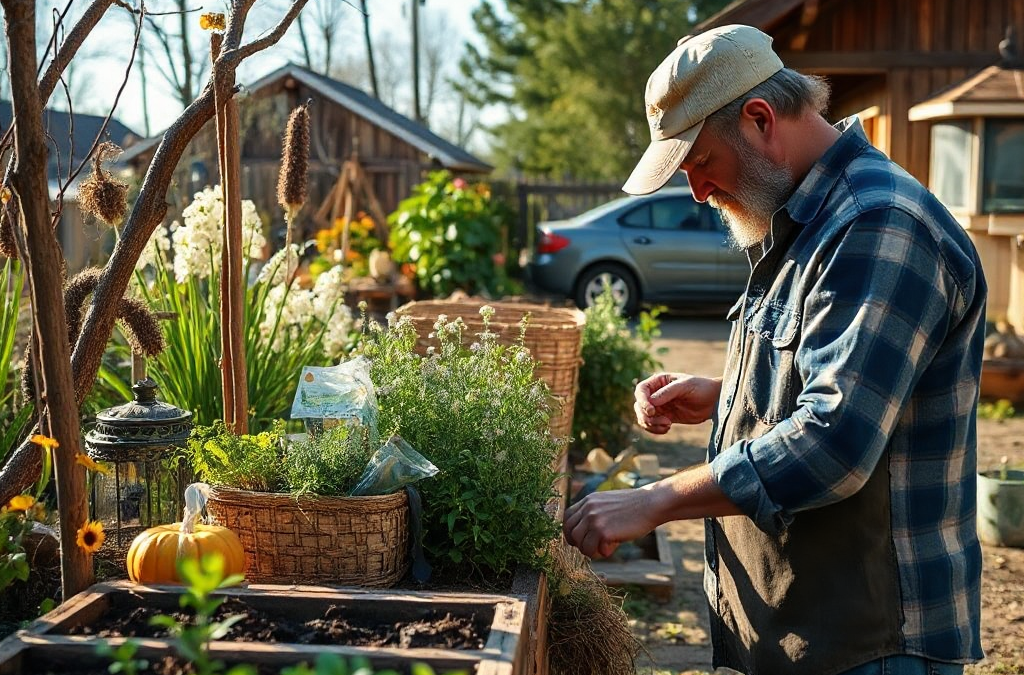
Enhancing local biodiversity on your property involves creating diverse habitats, planting native species, and implementing sustainable practices. By incorporating native plants, you can attract local wildlife and pollinators while improving soil health. Establishing water features can provide habitats for amphibians and beneficial insects. Avoiding pesticides and promoting organic gardening methods further supports a thriving ecosystem, ensuring a balanced environment for all species.
Understanding Biodiversity and Its Importance
Biodiversity refers to the variety of life forms within a particular habitat or ecosystem. Enhancing local biodiversity on your property is crucial for maintaining ecological balance and resilience. A diverse ecosystem provides essential services such as pollination, nutrient cycling, and pest control, which are vital for agricultural productivity and environmental health.
Moreover, biodiversity contributes to the aesthetic and recreational value of your land. It supports a wide range of wildlife, including birds, insects, and mammals, creating a dynamic environment that can be both beautiful and functional. Recognizing the importance of biodiversity helps landowners make informed decisions that positively impact their properties and the surrounding ecosystem.
Creating Habitats for Wildlife
Creating habitats is one of the most effective ways to enhance local biodiversity on your property. Different species require various habitats to thrive, so incorporating elements such as native plants, water features, and shelter can significantly increase wildlife presence.
For instance, planting a diverse range of shrubs and trees can provide nesting sites and food sources for birds and small mammals. Additionally, installing a pond or stream can attract amphibians and beneficial insects while offering drinking water for wildlife. Incorporating logs, rocks, and brush piles can create shelter for various creatures, further enhancing habitat diversity.
One common mistake is to have a manicured lawn devoid of features that support wildlife. Instead, consider allowing some areas to grow wild or implementing a more natural landscape design. This not only promotes biodiversity but also reduces maintenance efforts and resource consumption.
Planting Native Species
Planting native species is a cornerstone of enhancing biodiversity on your property. Native plants are adapted to the local climate and soil conditions, making them more resilient and less resource-intensive than non-native species. They provide essential food and habitat for local wildlife, including pollinators like bees and butterflies.
For example, incorporating wildflowers, grasses, and native shrubs can attract a variety of beneficial insects while supporting local bird populations. Moreover, native plants often require fewer pesticides and fertilizers, promoting a healthier ecosystem. When selecting plants, consider creating a layered landscape with trees, shrubs, and ground cover to provide various niches for different species.
A common misconception is that native plants are less visually appealing than ornamental varieties. In reality, many native plants offer stunning blooms and unique foliage that can enhance the beauty of your landscape while supporting biodiversity.
Implementing Sustainable Practices
Implementing sustainable practices is essential for maintaining biodiversity on your property. This includes using organic gardening methods, reducing chemical inputs, and promoting soil health. By avoiding synthetic pesticides and fertilizers, you can create a more balanced ecosystem that supports beneficial organisms.
Practices such as composting, mulching, and crop rotation can improve soil health, leading to more robust plant growth and healthier ecosystems. Additionally, minimizing lawn areas and replacing them with native plant gardens can reduce water consumption and maintenance needs.

One pitfall many property owners encounter is the reliance on chemical treatments to control pests and weeds. Instead, consider integrated pest management (IPM) strategies that focus on prevention and natural controls. This approach not only protects biodiversity but also promotes a healthier environment for your family and local wildlife.
Frequently Asked Questions
What are the benefits of enhancing biodiversity on my property?
Enhancing biodiversity improves ecosystem resilience, supports wildlife, and increases agricultural productivity while reducing maintenance costs.
How can I attract more wildlife to my property?
Create diverse habitats with native plants, water sources, and shelter to attract various species.
Are native plants easier to maintain?
Yes, native plants are adapted to local conditions, requiring less water, fertilizer, and pest control than non-native species.
What is integrated pest management (IPM)?
IPM is a sustainable approach that focuses on preventing pest problems using natural controls and minimizing chemical treatments.
Can I still have a beautiful garden while promoting biodiversity?
Absolutely! Many native plants are visually appealing and can create stunning landscapes while supporting local ecosystems.
Conclusion
Enhancing local biodiversity on your property is a valuable endeavor that benefits both the environment and your quality of life. By creating diverse habitats, planting native species, and implementing sustainable practices, you can foster a thriving ecosystem that supports a variety of wildlife. As you embark on this journey, prioritize understanding the needs of your local ecosystem and be open to adapting your practices for the best outcomes. Start small and gradually expand your efforts, ensuring that your property becomes a sanctuary for biodiversity.