
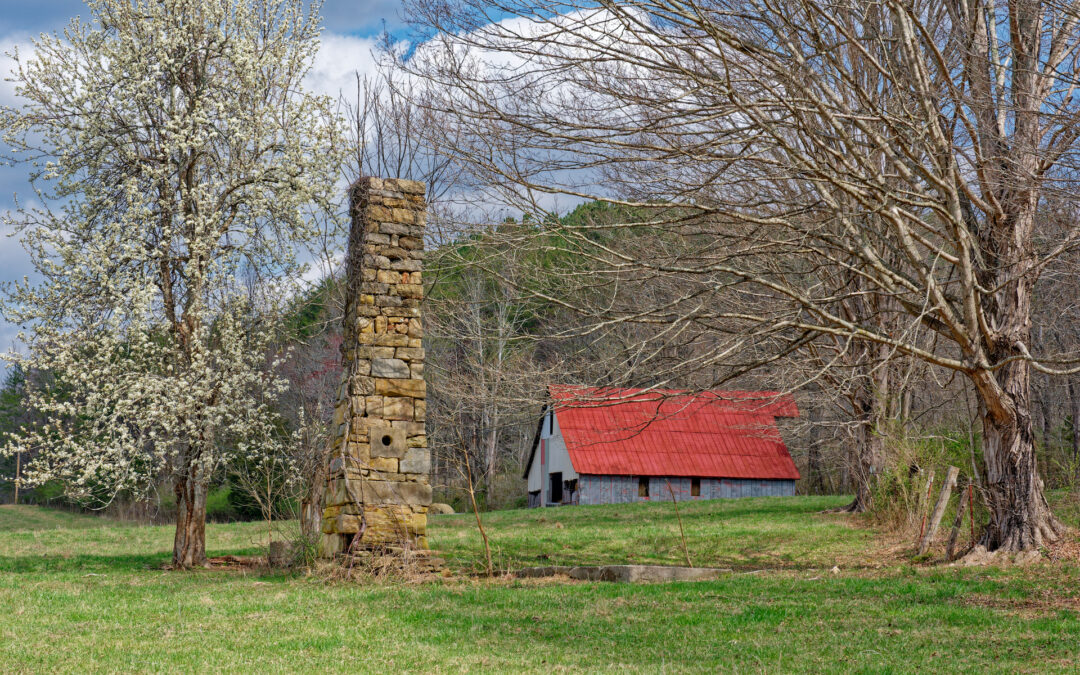
Summer routines on the homestead are crucial for maximizing productivity and ensuring a rewarding lifestyle. As the days grow longer and the sun shines brighter, the demands of maintaining a self-sufficient property increase. Understanding how to structure your daily activities can lead to a more fruitful harvest and a more enjoyable living experience. However, many homesteaders struggle with time management, often feeling overwhelmed by the sheer volume of tasks that need to be completed in a limited timeframe.
Common pitfalls include neglecting family time in favor of endless chores or failing to prioritize critical tasks, which can lead to burnout. To avoid these issues, it’s essential to establish a balanced routine that incorporates both necessary work and leisure activities. This approach not only helps in accomplishing daily goals but also fosters a harmonious environment for everyone involved.
Planning Your Daily Schedule
Effective time management begins with a well-structured daily schedule. Early mornings are often the most productive, as the temperatures are cooler and the animals are more active. Start your day by prioritizing essential tasks, such as watering crops and feeding livestock. This not only sets a positive tone for the day but also ensures that the most critical responsibilities are handled first.
A common mistake is overloading the schedule with too many tasks, which can lead to frustration. Instead, consider breaking down your daily goals into manageable sections. For example, allocate specific time blocks for gardening, maintenance, and family activities. This structured approach allows for flexibility and adaptability, ensuring that you can respond to unexpected challenges while still making progress on your homesteading goals.
Crop Management Strategies
During the summer months, crop management becomes increasingly vital. Implementing effective watering techniques and pest management strategies can make a significant difference in yield. Drip irrigation systems can help conserve water and ensure that plants receive the moisture they need without wasting resources.
Additionally, keep an eye out for pests and diseases that can threaten your crops. Early detection is key; regular inspections can help you address issues before they escalate. Many homesteaders overlook the importance of crop rotation and companion planting, which can naturally deter pests and enhance soil health. By integrating these strategies into your summer routine, you can optimize your harvest and maintain a thriving garden.
Family Engagement and Activities
Balancing work and family life is essential for maintaining a positive atmosphere on the homestead. Summer offers unique opportunities for family bonding through activities such as gardening together, cooking meals using fresh produce, or enjoying outdoor games. These shared experiences not only strengthen relationships but also teach valuable skills to younger family members.
However, it’s easy to fall into a work-only mindset. Set aside specific times for family engagement, ensuring that everyone participates in both chores and leisure activities. This balance allows for a more enjoyable homesteading experience and fosters a sense of teamwork that can be beneficial in tackling larger projects.

Maintaining Livestock in the Heat
Summer heat can pose significant challenges for livestock management. Animals are more susceptible to heat stress, which can impact their health and productivity. Ensure that your animals have access to plenty of fresh water and shaded areas to escape the sun. Regularly check their health, as signs of heat stress can include excessive panting and lethargy.
Many homesteaders overlook the importance of adjusting feeding schedules during the hottest parts of the day. Instead of feeding livestock during peak heat, consider shifting feeding times to early morning or late evening. This simple adjustment can help maintain their energy levels and promote better overall health during the summer months.
Frequently Asked Questions
What are the most important summer tasks on a homestead?
Key tasks include crop management, livestock care, and family engagement activities. Prioritizing these can enhance productivity and enjoyment.
How can I manage my time effectively during summer?
Create a structured daily schedule that prioritizes essential tasks while allowing for flexibility to adapt to unexpected challenges.
What strategies can help with crop management?
Implement drip irrigation, conduct regular pest inspections, and practice crop rotation to optimize yields and maintain soil health.
How can I ensure my livestock stays healthy in the summer?
Provide ample water, shade, and adjust feeding schedules to cooler times of the day to prevent heat stress.
What family activities can enhance homesteading?
Engage in gardening, cooking, and outdoor games together to strengthen family bonds while participating in homesteading tasks.
Conclusion
Establishing effective summer routines on the homestead is essential for maximizing both productivity and enjoyment. By prioritizing essential tasks, engaging with family, and managing crops and livestock effectively, you can create a fulfilling and sustainable lifestyle. Focus on balancing work with leisure, ensuring that everyone contributes to the homestead’s success while also enjoying the season’s rewards. Moving forward, assess your current routines, make necessary adjustments, and embrace the joys of summer on your homestead.


