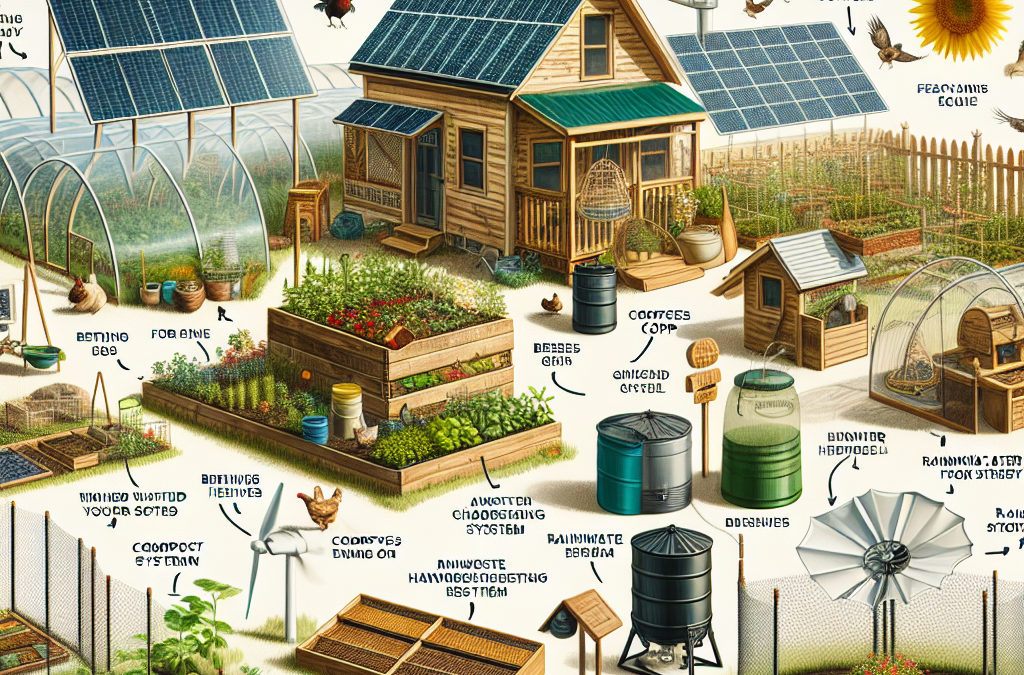
One of the primary focuses during summer is the garden. As temperatures rise, plants require more water and attention to prevent wilting and disease. A consistent watering schedule is crucial, often best done in the early morning or late evening to minimize evaporation. Additionally, keeping an eye out for pests and diseases is essential, as summer brings about increased insect activity. Implementing integrated pest management strategies can help maintain a healthy ecosystem.
Livestock management is equally important in summer. Animals need ample shade to escape the heat, and access to clean, cool water is essential to prevent overheating. Regular checks on their health can help catch any issues early, particularly as heat stress can lead to serious health problems. Prioritizing animal welfare during these months not only ensures their well-being but also maintains productivity for those relying on them for milk, eggs, or meat.
Maintaining Your Garden
Effective garden maintenance during summer is crucial for maximizing yields. This includes watering strategies, mulching, and regular weeding. Adequate watering can prevent stress on plants, while mulching helps retain soil moisture and regulates temperature.
Prioritize watering early in the day to reduce evaporation loss. Consider drip irrigation systems for efficiency. Additionally, keep your garden free from weeds that compete for nutrients and water. Regularly check for any signs of disease or nutrient deficiencies.
A common mistake is overwatering, which can lead to root rot. Aim for a balanced approach—monitor soil moisture levels and adjust accordingly. Implementing companion planting can also enhance your garden’s resilience against pests and diseases.
Livestock Care in Hot Weather
During the summer months, livestock care requires special attention to prevent heat stress. Providing adequate shade and hydration is paramount. Ensure that all animals have access to cool water at all times.
Monitor your animals for signs of heat stress, such as excessive panting or lethargy. Implementing strategies like rotating grazing areas to include shaded spots can help. Additionally, consider providing electrolyte solutions to keep them hydrated and healthy.
One of the main pitfalls is neglecting their needs during peak heat times. Adjust feeding schedules to cooler parts of the day and ensure barn ventilation is sufficient. Regular health checks can help catch any issues before they escalate, ensuring your livestock remains healthy and productive.
Pest Management Strategies
Pest management becomes increasingly important during the summer months. Effective strategies include crop rotation, companion planting, and using organic pest deterrents. These methods help maintain a healthy garden ecosystem.
Utilizing beneficial insects like ladybugs can naturally control pest populations. Regular monitoring of your plants for early signs of infestation allows for timely intervention. If chemical treatments are necessary, opt for organic options that minimize harm to beneficial insects.

A common oversight is relying solely on chemical pesticides. They can disrupt beneficial insect populations and lead to resistance. Focusing on integrated pest management will yield better long-term results by promoting biodiversity in your garden.
Harvesting and Storing Produce
As crops mature, timely harvesting is crucial to ensure peak flavor and quality. Summer produce often has a short window for optimal harvest, so keep an eye on maturity indicators.
Proper storage techniques also play a significant role in maintaining produce quality. Consider methods like blanching and freezing for vegetables that can extend their shelf life. For fruits, ensure they are ripened properly before storage to prevent spoilage.
A frequent mistake is allowing produce to over-ripen on the plant, which can lead to a decreased yield. Regularly check your garden and harvest at the right time to ensure maximum freshness and flavor.
Further Reading
Authoritative Sources
- Summer Gardening Tips
example.comThis resource offers comprehensive advice on summer gardening practices
Frequently Asked Questions
What are the key tasks for summer routines on the homestead?
Key tasks include regular watering, pest management, and ensuring livestock have adequate shade and water.
How often should I water my garden in the summer?
Watering should be done daily or every other day, depending on the plant’s needs and weather conditions.
What should I do to prevent heat stress in livestock?
Provide ample shade, fresh water, and monitor for signs of heat stress, adjusting their care as needed.
How can I manage pests organically?
Utilize beneficial insects, crop rotation, and organic pest deterrents to manage pest populations effectively.
When is the best time to harvest summer crops?
Harvest crops at their peak maturity, which varies by plant; regular checks are necessary to determine the right time.