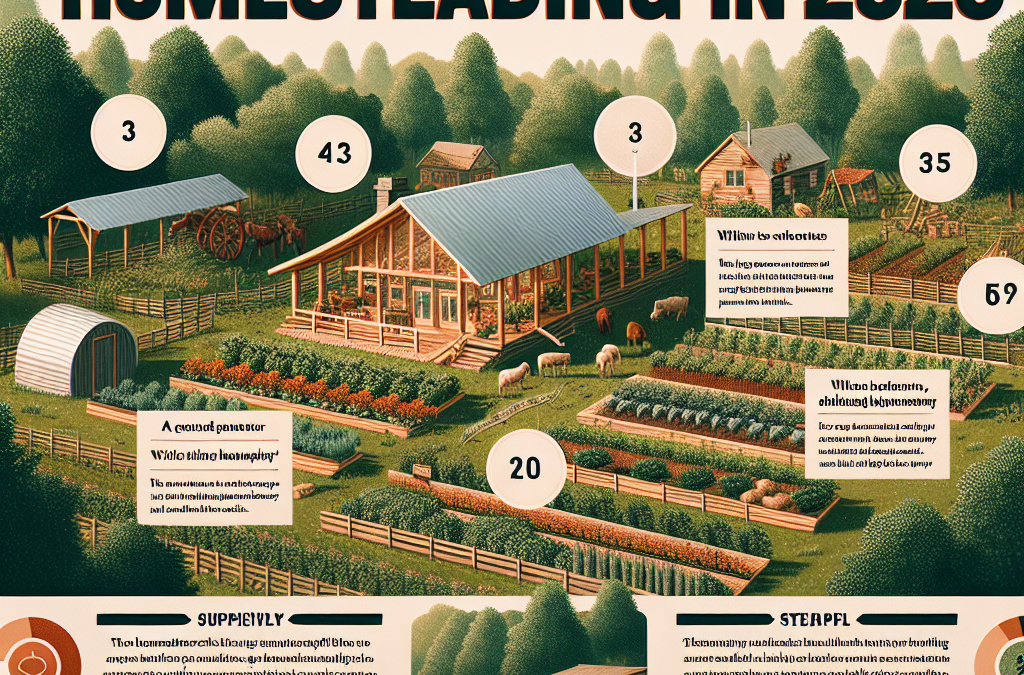
Seasonal routines for homestead living play a pivotal role in achieving both productivity and sustainability. By aligning daily tasks with the changing seasons, homesteaders can optimize their efforts, ensuring that their work not only meets immediate needs but also respects the natural rhythms of the environment. This approach can lead to a more harmonious and fulfilling lifestyle, where each season brings its own set of opportunities and challenges.
However, many homesteaders struggle to establish effective seasonal routines. Common pitfalls include overcommitting during peak seasons, neglecting winter preparations, or failing to adapt tasks to the local climate. Understanding these dynamics is essential for creating a successful homesteading plan that evolves with the seasons. Prioritizing tasks based on seasonal needs can help mitigate stress and enhance productivity, ultimately leading to a more efficient homesteading experience.
Spring: Planting and Preparation
Spring is the season of renewal, making it an ideal time for planting and preparation. Homesteaders should focus on soil health, selecting the right crops, and planning garden layouts. Properly preparing the land can lead to a bountiful harvest later in the year. Investing time in soil testing and amendment can yield significant long-term benefits.
Common mistakes during this season include planting too early or neglecting to prepare the soil adequately. It’s essential to understand local frost dates and soil conditions to optimize planting times. Additionally, consider crop rotation and companion planting to enhance biodiversity and reduce pest issues. Prioritize tasks that strengthen your garden’s foundation, as this sets the stage for a successful growing season.
Summer: Growth and Maintenance
Summer is characterized by growth and maintenance. During this season, homesteaders should focus on irrigation, pest management, and regular harvesting. Keeping plants healthy during the peak growing months is crucial for maximizing yield. Implementing a consistent watering schedule and monitoring for pests can help maintain plant vigor.
Many homesteaders underestimate the importance of mid-summer maintenance. Failing to address weeds and pests promptly can lead to significant losses. It’s wise to prioritize tasks like mulching to retain soil moisture and reduce weed competition. Additionally, consider diversifying crops to mitigate risks associated with pests and diseases. This proactive approach can safeguard your harvest and ensure sustainability.
Fall: Harvest and Preservation
As summer transitions to fall, the focus shifts to harvesting and preservation. This season provides an opportunity to reap the rewards of your hard work, but it also requires careful planning to ensure that nothing goes to waste. Properly timing your harvest is critical, as it can impact the quality and longevity of your produce.
Failing to preserve food can lead to spoilage and waste. Homesteaders should prioritize canning, freezing, and drying methods to extend the life of their harvest. Understanding the best practices for each preservation method is essential for maintaining flavor and nutrition. Additionally, consider sharing excess produce with neighbors to foster community relationships and reduce waste.
Winter: Reflection and Planning
Winter is often seen as a downtime for homesteaders, but it’s an excellent season for reflection and planning. This period allows for evaluating the past year’s successes and challenges while strategizing for the upcoming season. Taking the time to analyze what worked and what didn’t can lead to better decision-making in the future.

Many homesteaders overlook the importance of winter planning. It’s essential to utilize this time for skill development, such as learning new preservation techniques or researching crop varieties. Consider setting goals and establishing a timeline for the upcoming planting season. This proactive approach can enhance your readiness for spring and foster a sense of accomplishment during the off-season.
Further Reading
Authoritative Sources
- Seasonal Homesteading Tasks
rodalesorganiclife.comThis article provides a comprehensive overview of seasonal tasks essential for successful homesteading
- Seasonal Homesteading Tips
extension.harvard.eduHarvard Extension offers practical tips for homesteaders to optimize their routines throughout the year
- Homestead Seasonal Tasks
motherearthnews.comThis resource outlines essential seasonal tasks for sustainable homesteading practices
Frequently Asked Questions
What are the key seasonal routines for homesteading?
Key routines include planting in spring, maintenance in summer, harvesting in fall, and planning in winter.
How can I make the most of my fall harvest?
Focus on timely harvesting and utilize preservation methods like canning and freezing to avoid waste.
What common mistakes do homesteaders make in spring?
Common mistakes include planting too early and neglecting soil preparation, which can hinder growth.
How can I prepare for winter on the homestead?
Use winter to reflect on past seasons and plan for spring, including skill development and goal setting.
What should I prioritize during the summer months?
Prioritize irrigation, pest management, and regular harvesting to ensure healthy plant growth.
Conclusion
Establishing effective seasonal routines for homestead living is essential for maximizing productivity and sustainability. By aligning tasks with the natural cycles of the seasons, you can enhance your efficiency, reduce waste, and cultivate a harmonious relationship with your environment. Focus on the priorities of each season, learning from past experiences to inform your future actions. Embrace the unique challenges and opportunities each season presents, and you will thrive in your homesteading journey.