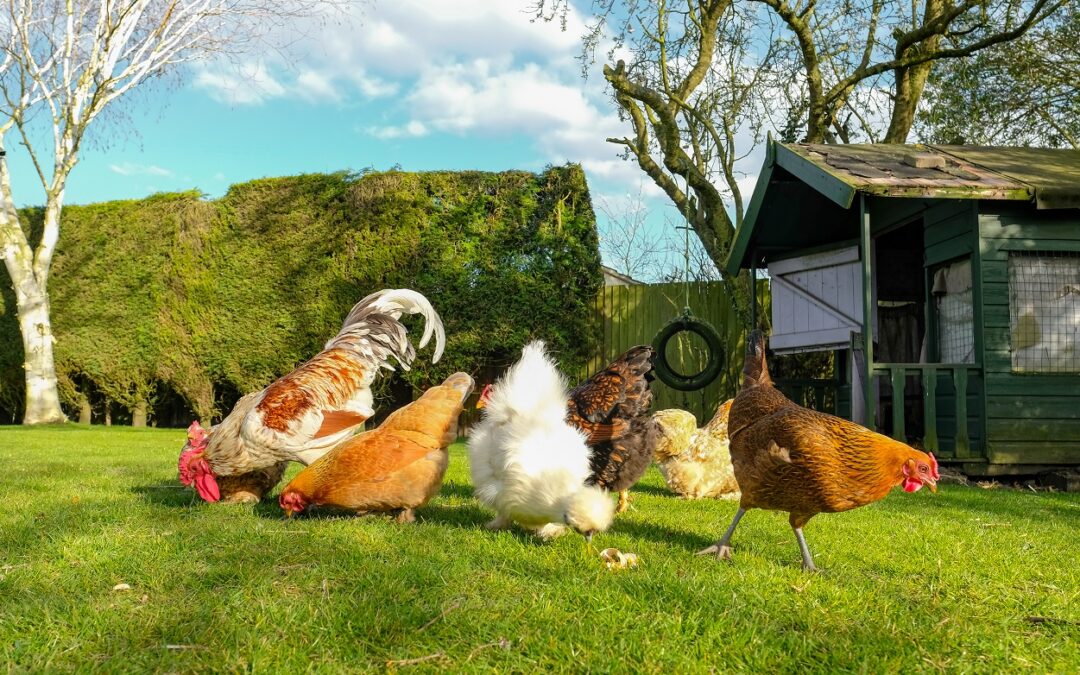
Seasonal routines for homestead living encompass a variety of tasks tailored to the unique requirements of each season, ensuring efficiency and sustainability. These routines are vital as they align agricultural practices with the natural rhythms of the environment, impacting everything from planting schedules to animal care. Understanding the seasonal shifts allows homesteaders to optimize productivity and manage resources effectively.
Each season presents distinct challenges and opportunities. Spring is the time for planting new crops, while summer focuses on maintenance and harvesting. Fall emphasizes preparation for winter, including preserving food and securing livestock, and winter often involves equipment maintenance and planning for the upcoming growing season. Misjudging these seasonal demands can lead to crop failures or resource shortages, making it essential to develop a structured routine.
Spring Routines: Planting and Preparation
In spring, homesteaders should focus on planting and preparation tasks. This is the season to sow seeds, prepare the soil, and ensure that irrigation systems are functioning properly. Engaging in early spring soil testing can help determine nutrient needs and improve crop yields.
Additionally, it’s crucial to establish a crop rotation plan to enhance soil health and prevent pest issues. Neglecting these tasks can lead to poor yields and increased pest problems later in the season. Homesteaders should prioritize timely planting to align with local frost dates and maximize growing time.
Summer Tasks: Maintenance and Harvesting
Summer is characterized by maintenance and harvesting. During this time, regular weeding, watering, and pest control are essential to ensure crops thrive. Harvesting ripe produce promptly not only boosts food security but also encourages continued plant growth.
Homesteaders should also focus on monitoring livestock health, ensuring they have adequate shade and water. A common mistake during this season is overestimating crop resilience, which can lead to loss if not managed properly. Keeping a close eye on weather patterns can help mitigate risks associated with extreme heat or drought.
Fall Duties: Preservation and Readiness
As summer transitions to fall, it’s time to prioritize preservation and readiness tasks. This includes canning, freezing, or drying excess produce to ensure food availability during winter months. Additionally, preparing the garden for winter by mulching and planting cover crops can improve soil health for the next growing season.
Homesteaders should also inspect and maintain tools and equipment, ensuring everything is in working order before winter sets in. A common pitfall is underestimating the amount of time needed for these tasks, which can lead to rushed preparations and potential crop losses in the following year.
Winter Activities: Planning and Maintenance
Winter is often seen as a downtime for homesteaders, but it is crucial for planning and maintenance activities. This season is best spent analyzing the successes and failures of the past year and planning for the next. Homesteaders can research new crops, techniques, and markets to enhance productivity.
Moreover, maintaining equipment and facilities is essential during this time. Neglecting maintenance can lead to costly repairs when the busy planting season arrives. Homesteaders should also consider their livestock’s needs, ensuring they have adequate shelter and feed during harsh winter conditions.

Frequently Asked Questions
What are the key seasonal tasks for homesteading?
Key seasonal tasks include planting in spring, maintaining crops and livestock in summer, preserving food in fall, and planning and equipment maintenance in winter.
How can I prepare my homestead for winter?
Preparing for winter involves ensuring livestock have adequate shelter and food, maintaining equipment, and winterizing gardens through mulching and cover crops.
What should I focus on during the summer months?
Focus on maintaining crops through watering and pest control, harvesting ripe produce, and ensuring livestock health during the hot months.
How do I effectively preserve food for winter?
Effective food preservation methods include canning, freezing, and drying excess produce to ensure a stable food supply during winter.
What common mistakes do homesteaders make in seasonal planning?
Common mistakes include underestimating the time required for seasonal tasks and neglecting maintenance, leading to challenges in productivity and resource management.
Conclusion
Incorporating seasonal routines into homestead living is essential for maximizing productivity and sustainability. By understanding the unique tasks required in each season—planting in spring, maintaining in summer, preserving in fall, and planning in winter—homesteaders can effectively manage their resources and ensure food security. Prioritizing these tasks not only enhances the homestead’s efficiency but also prepares it for future challenges. To thrive in a homesteading lifestyle, establishing and adhering to a seasonal routine is vital.