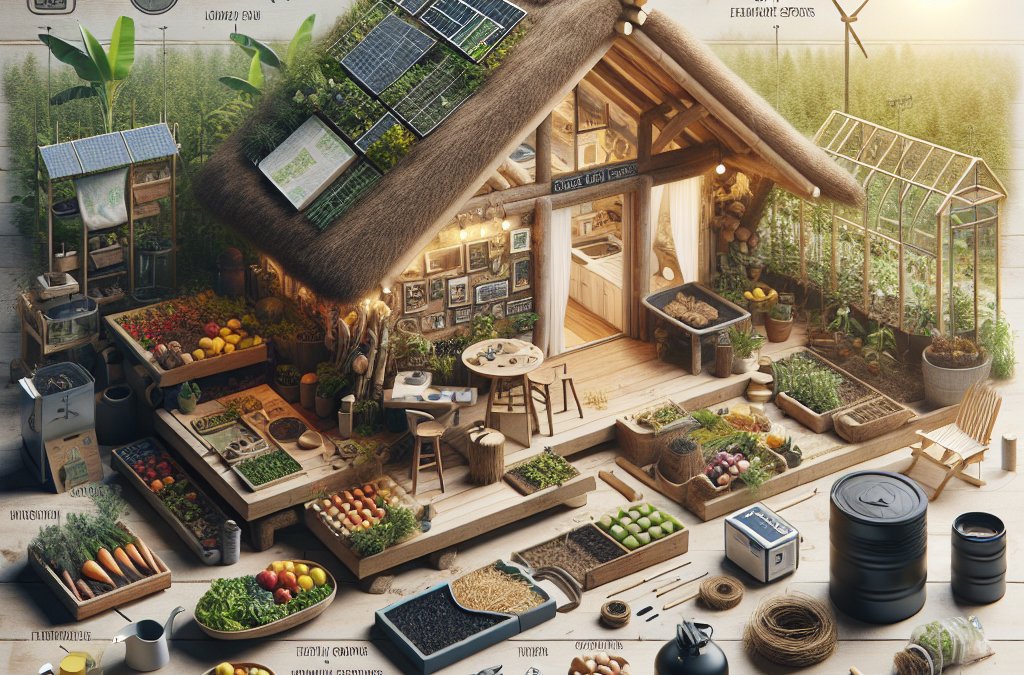
Many people overlook the initial investment required for homesteading systems, assuming they can simply cut costs without planning. However, understanding the long-term savings and environmental benefits can help prioritize investments that pay off over time. Common mistakes include underestimating the space needed for gardens or failing to research local regulations regarding livestock and energy systems.
Additionally, individuals often misjudge their skills and resources when starting. It’s crucial to assess your current capabilities and local conditions to choose the right systems for your homestead. Small-scale systems may be more manageable and cost-effective at first, allowing you to expand as you gain experience.
Growing Your Own Food
Growing your own food is one of the most effective ways to reduce expenses on a homestead. It not only cuts grocery bills but also ensures access to fresh, organic produce. Start by assessing your climate and soil conditions to choose crops that thrive in your area.
Many novice gardeners underestimate the time and effort required for successful gardening. Planning your garden layout, rotating crops, and understanding pest management are essential to maximize yield. Additionally, incorporating companion planting can enhance growth and minimize pest issues.
Prioritizing perennial plants can also provide long-term benefits. These plants require less maintenance and can produce food for years, making them a vital part of any homestead garden. Remember to start small and gradually expand your garden as you gain confidence and knowledge.
Renewable Energy Solutions
Implementing renewable energy solutions can drastically reduce utility costs. Solar panels, wind turbines, and micro-hydro systems are popular options for homesteaders looking to harness natural resources.
While the initial setup costs can be high, many renewable energy systems pay for themselves over time through savings on electricity bills. Research local incentives, grants, or tax credits that can offset these costs and make the transition more affordable.
It’s essential to evaluate your energy needs carefully. Conduct an energy audit to understand your consumption patterns and determine the most suitable renewable energy sources. Prioritizing energy efficiency measures, such as insulation and energy-efficient appliances, can further enhance your overall savings.
Water Management Strategies
Effective water management is crucial for reducing expenses on a homestead. Rainwater harvesting, greywater recycling, and efficient irrigation systems can significantly lower water costs and promote sustainability.
Many homesteaders overlook the importance of proper water storage and distribution systems. Investing in rain barrels and drip irrigation can help conserve water and ensure your plants receive adequate moisture without waste. Additionally, understanding local regulations regarding water usage can prevent potential fines.
Incorporating native plants into your landscaping can also reduce water needs. These plants are adapted to local conditions and often require less irrigation, helping you save both water and money.
Cost-Benefit Analysis of Homestead Systems
Conducting a cost-benefit analysis of various homestead systems can help prioritize investments that yield the highest returns. This involves evaluating initial costs, ongoing maintenance, and potential savings over time.

Many individuals focus solely on upfront expenses without considering long-term benefits. For instance, while a solar panel system may seem costly at first, the savings on energy bills and potential tax credits can make it a worthwhile investment. Understanding these dynamics can guide better decision-making.
Prioritize systems that align with your lifestyle and goals. If your primary objective is to reduce food expenses, focus on gardening and livestock. Conversely, if energy costs are a concern, invest in renewable energy solutions. Balancing these priorities can maximize your homestead’s efficiency and cost-effectiveness.
Further Reading
Authoritative Sources
- Renewable Energy
ucsusa.orgThis resource explains the benefits and options for renewable energy solutions, helping homesteaders make informed decisions
- Complete Guide to Organic Gardening
rodalesorganiclife.comA comprehensive guide providing practical information on growing food organically, ideal for homesteaders
- Rainwater Harvesting
epa.govThis official resource outlines the benefits and methods of rainwater harvesting for sustainable water management
- USDA Natural Resources Conservation Service
nrcs.usda.govA valuable resource for understanding conservation practices, including water management and sustainable agriculture
Frequently Asked Questions
What are the initial costs of setting up a homestead?
Initial costs can vary widely depending on the systems you choose, but common expenses include land, tools, seeds, and renewable energy installations.
How much can I save by growing my own food?
Growing your own food can save you hundreds of dollars annually, depending on the size of your garden and the types of crops you grow.
Are there grants available for renewable energy systems?
Yes, many states and local governments offer grants and tax incentives for installing renewable energy systems, which can significantly reduce initial costs.
What common mistakes should I avoid when starting a homestead?
Common mistakes include underestimating space requirements, neglecting local regulations, and not properly planning for water and energy needs.
How can I assess my energy needs for a homestead?
Conducting an energy audit can help you understand your consumption patterns and identify areas for improvement or energy savings.
Conclusion
Reducing expenses through homestead systems requires careful planning and investment in sustainable practices. By focusing on growing your own food, utilizing renewable energy, and managing water effectively, you can significantly lower your living costs. Start small, assess your needs, and gradually expand your systems to maximize efficiency and savings. Prioritizing these strategies will not only benefit your wallet but also contribute to a more sustainable lifestyle.