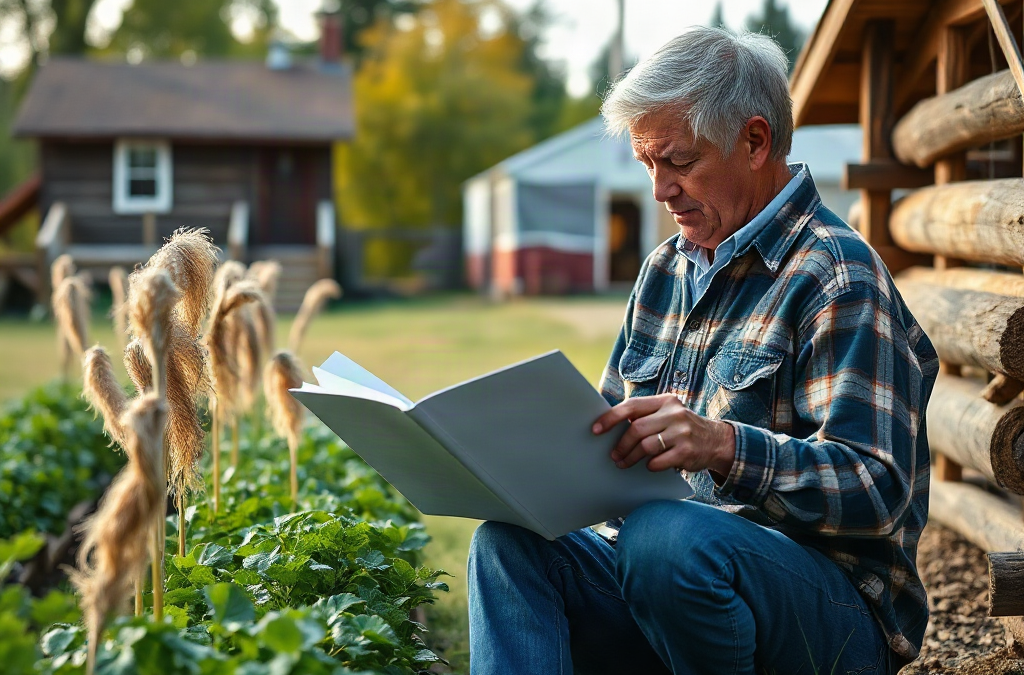
Couple Planning for Shared Homestead Production: A Seasonal Workload and Budget Plan
A couple can then use Couple planning for shared homestead production to compare the proposed project with the limits already visible in their records.

A couple can then use Couple planning for shared homestead production to compare the proposed project with the limits already visible in their records.
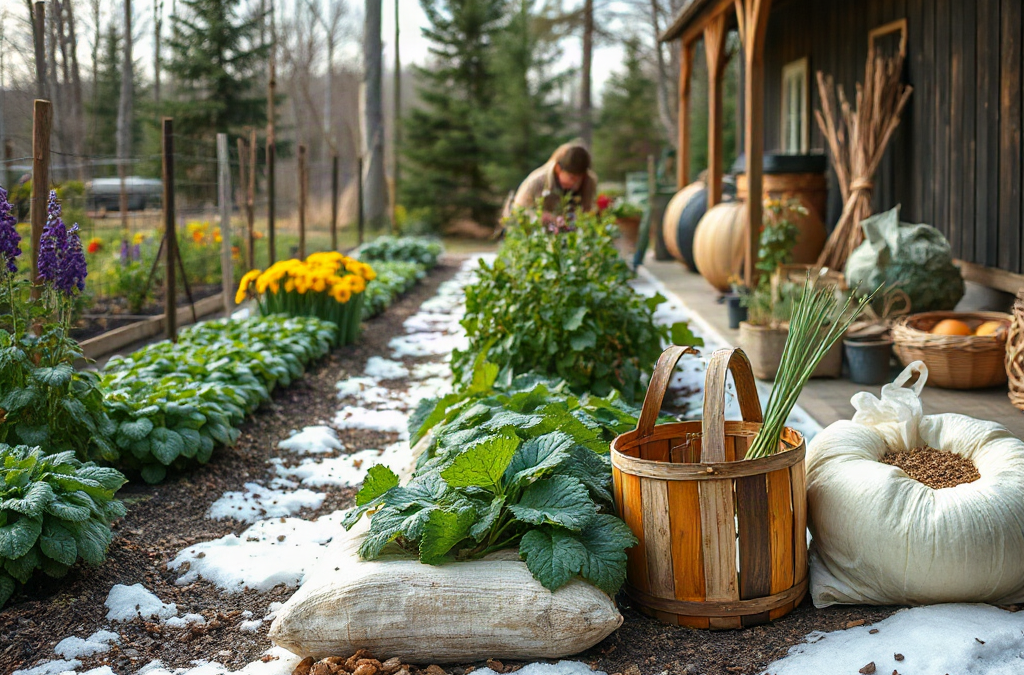
Northern homesteading adapts to short growing seasons by matching crops to local frost dates, starting transplants early, using season-extension structures, and choosing reliable storage crops. Cold soil and late spring frosts can delay planting, while an early autumn freeze may end production before warm-season plants mature.
Homesteading is still available under modern law only in limited forms, because the original federal free-land system ended and current opportunities usually come from state programs, local incentives, or ordinary property purchases. Some jurisdictions may offer tax reductions, redevelopment parcels, or rural settlement assistance, but these are not automatic claims to unoccupied public land.
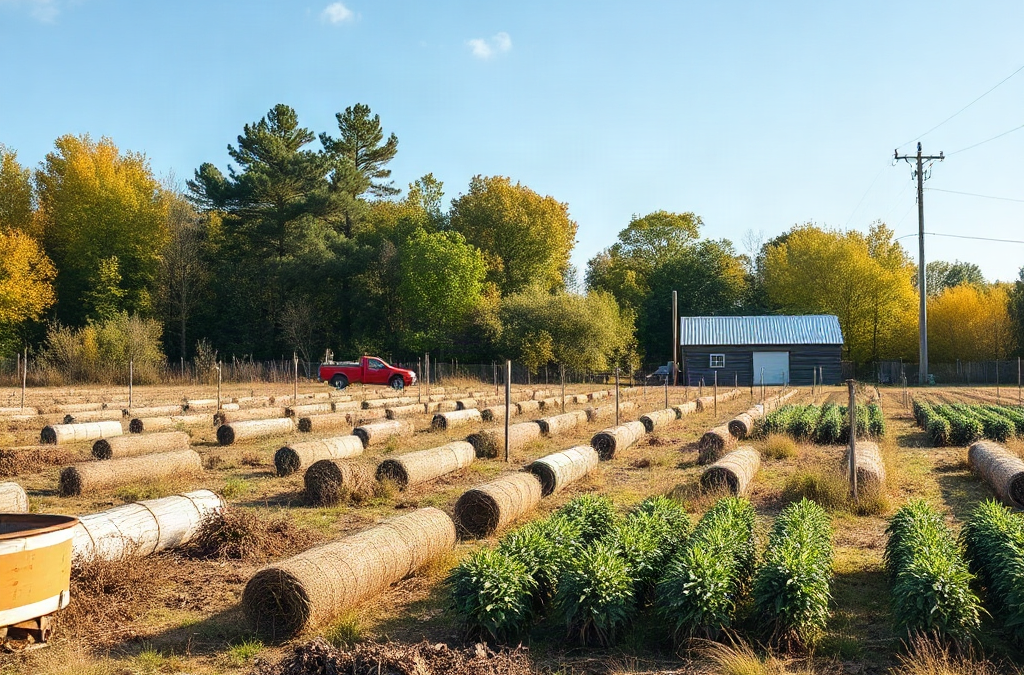
Michigan homestead land climate and acreage decisions should match the region’s winter severity, growing-season length, drainage, water access, and the work required to manage the property. Southern Michigan generally offers a longer growing season, while northern locations bring colder winters and a shorter window for crops and pasture.
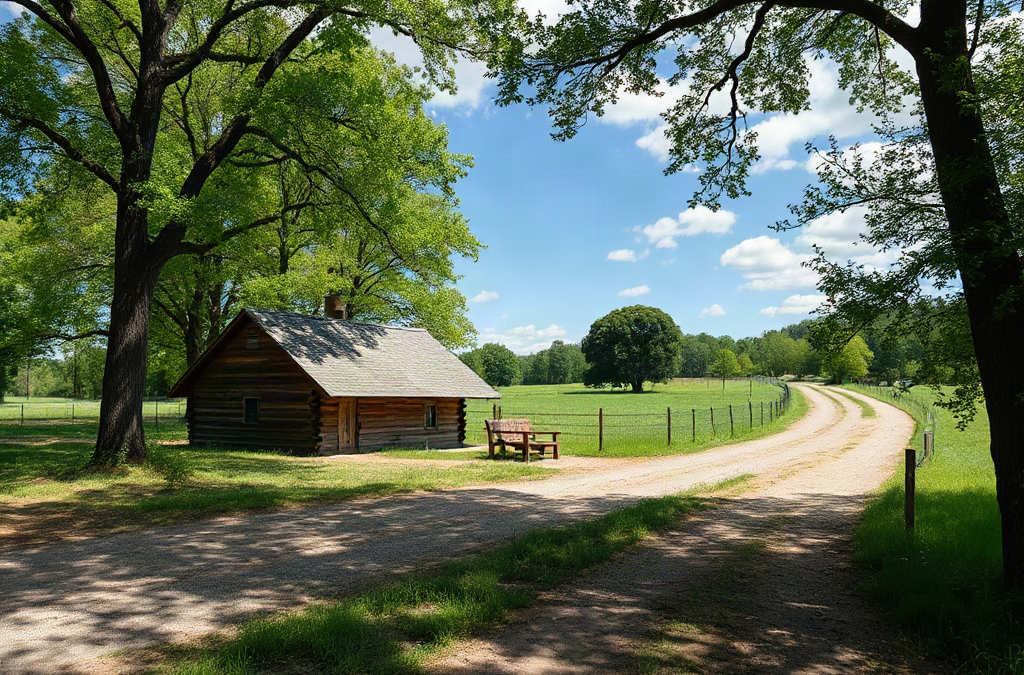
Arkansas homestead land buying considerations should center on dependable water, legal access, usable soil, flood exposure, utilities, and county restrictions before price or acreage. A parcel may appear affordable yet become impractical if a well is uncertain, the driveway crosses unrecorded permission, the building site lies in a flood-prone area, or septic approval is unlikely.

