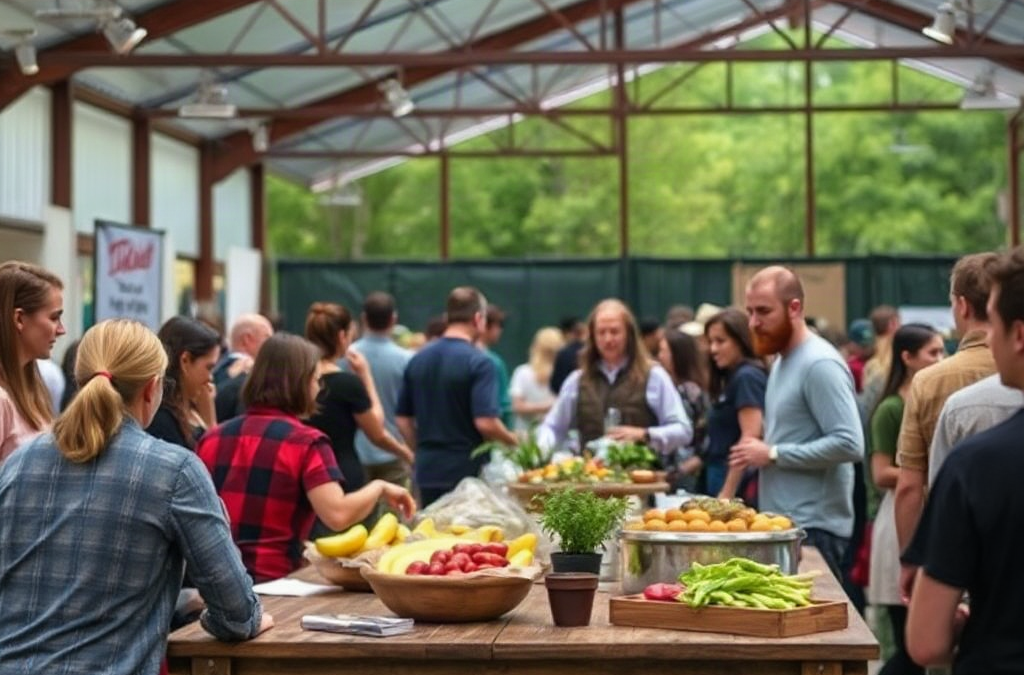
Modern homesteading conferences worth attending are events whose workshops, instructors, demonstrations, and vendor areas match projects you expect to tackle within the next year. Strong choices publish detailed session descriptions, identify each presenter’s hands-on experience, and allow enough time for questions or supervised practice. Favor instruction on specific skills such as poultry processing, orchard care, food preservation, rotational grazing, or small-farm business planning rather than a schedule dominated by inspirational talks. Before buying a ticket, compare travel costs, class capacity, biosecurity rules, accessibility, and cancellation terms. The best return comes from leaving with tested methods, reliable contacts, and a realistic project plan.
Which Conference Format Fits Your Homestead?
Conference format determines how much usable instruction you receive. A large exposition may offer dozens of subjects, an extensive vendor hall, livestock demonstrations, and prominent speakers. A smaller regional gathering may provide fewer choices but more direct access to instructors who understand local soils, weather patterns, markets, predators, and permitting concerns. Neither format is automatically better; the useful choice depends on the decisions waiting at home.
New homesteaders often benefit from a broad event when they are still deciding whether to prioritize gardening, poultry, dairy animals, woodland management, or home food preservation. Seeing several systems in one place can expose hidden requirements. A goat-milking demonstration, for example, may lead to useful questions about fencing, breeding schedules, hoof care, winter feed storage, and finding backup help. That operational picture is more valuable than choosing an animal from photographs alone.
Experienced attendees usually gain more from focused workshops or producer conferences. Someone preparing to establish an orchard needs detailed instruction on cultivar selection, rootstocks, pollination, pruning, pest monitoring, and harvest handling—not a short presentation celebrating homegrown fruit. Likewise, a household considering inspected meat sales needs regionally relevant information that a general self-sufficiency event may not cover.
Use the published program to classify an event before registering:
- Exposition-style events suit broad comparison, equipment research, and introductory demonstrations.
- Workshop-centered gatherings suit practical skill development, especially when class sizes are limited.
- Producer conferences suit enterprise planning, recordkeeping, markets, and production systems.
- Regional field days suit climate-specific crops, livestock practices, and direct observation of working sites.
A common mistake is choosing by reputation or speaker popularity without checking the session level. An impressive event can still be a poor fit if most classes repeat material you already know. Review Modern homesteading conferences worth attending according to your next project, not an imagined future operation. Write down three decisions you need to make during the coming season, then look for sessions capable of resolving them.
How to Evaluate Workshops and Instructors
A useful workshop has a defined task, an appropriate teaching format, and an instructor with relevant operating experience. The session description should indicate what will be covered and whether participants will watch, discuss, calculate, handle tools, or practice a procedure. “Introduction to beekeeping” could mean a slide presentation, while “spring hive inspection” suggests protective equipment, live colonies, weather restrictions, and a smaller group. Those sessions deliver very different experiences.
Instructor biographies deserve close reading, but job titles alone are not enough. Look for evidence that the presenter actively performs the work being taught and can address conditions resembling yours. A commercial vegetable grower can offer excellent production insight, yet methods built around hired crews and specialized cultivation equipment may not transfer neatly to a quarter-acre garden managed around a full-time job. The issue is not credibility; it is scale and context.
Session design reveals whether an event values instruction or merely fills a timetable. Detailed descriptions, stated experience levels, material lists, capacity limits, and time for questions are positive signals. Hands-on classes should explain clothing, safety, physical demands, age restrictions, or sanitation requirements in advance. Livestock sessions may be altered because of animal welfare, weather, or disease-control concerns, so determine whether a substitute demonstration or classroom lesson is planned.
Before registration closes, check five points: the exact learning objective, instructor background, class size, supplies included, and the procedure for schedule changes. Contact organizers if a high-value session is ambiguous. A concise question—such as whether participants will operate the scythe or only observe mowing—can prevent an expensive mismatch.
Be cautious when a program promises complete competence after one brief class. Conference instruction can clarify a process and reduce avoidable errors, but skills such as chainsaw use, livestock slaughter, pressure canning, welding, and tractor operation require appropriate safety instruction and repeated practice. A good session defines its limits and points participants toward manuals, supervised training, extension resources, or qualified local help. The strongest Modern homesteading conferences worth attending make complexity visible rather than presenting every skill as quick or effortless.
What Attendance Really Costs
The ticket price is only the first line in a conference budget. Transportation, lodging, meals, parking, workshop surcharges, supplies, childcare, animal care at home, and time away from paid work can exceed admission. Calculate the full trip before deciding that a distant event offers better value than a nearby field day or extension class.
Consider a household traveling several hours for a two-day gathering. An affordable pass may still require two hotel nights and someone dependable to milk animals, open and close poultry housing, water a greenhouse, or respond to fencing trouble. If backup care is uncertain, a one-day regional event may produce better results with less operational risk. Livestock routines do not pause because a conference schedule is attractive.
Value should be tied to avoided mistakes or improved decisions, not the number of sessions attended. A fencing class that helps you compare energizers, grounding systems, conductor types, and vegetation pressure could prevent purchasing components unsuited to your property. A preservation lecture that merely repeats instructions already available from tested public resources may add little. Ask what decision each priority session could change and whether that benefit justifies the trip.
Vendor halls require their own discipline. They are useful for handling tools, comparing construction details, finding replacement parts, and asking manufacturers precise questions. They also create pressure to buy before checking dimensions, power requirements, warranty terms, shipping costs, or compatibility with existing equipment. Photograph model information when permitted, collect specifications, and postpone major purchases until you can measure your space and compare alternatives at home.
A practical budget should include a spending ceiling divided among travel, instruction, and optional purchases. Reserve vendor money for items already on a written need list rather than products discovered during a demonstration. Signs that attendance is financially sensible include several directly relevant sessions, reasonable travel, access to instructors you cannot easily find locally, and a project scheduled soon enough to use the information. Signs it is failing the value test include duplicated classes, costly lodging, unclear agendas, and attendance driven mainly by fear of missing out.
Turning a Conference Schedule Into Useful Results
A conference becomes productive when the schedule is built around questions rather than maximum activity. Select one primary theme and one secondary theme, leaving room for conversation, note review, meals, and walking between venues. Back-to-back sessions look efficient on paper but often cause attendees to leave early, arrive late, or retain little from either class.

Prepare a one-page homestead profile before traveling. Include your growing zone or general climate, acreage in use, available labor, livestock numbers, major equipment, current bottleneck, and the project under consideration. You do not need to hand it to anyone. Its purpose is to help you ask bounded questions. “How should I improve my garden?” is difficult to answer; “Which weed-control method is realistic for six permanent beds when I can cultivate twice a week?” gives an instructor useful constraints.
Build your plan in four steps:
- Choose three priority sessions. Treat everything else as optional.
- Write two questions for each. Include scale, labor, climate, or budget details.
- Schedule one vendor comparison. Define the specifications you need before entering the hall.
- Set a post-event deadline. Review notes within two days and choose one small trial.
Suppose you attend a rotational-grazing session while considering portable fencing. Do not return home and immediately redesign every paddock. First test a short fence run, observe animal behavior, measure the time required to move it, and note how terrain and vegetation affect voltage. A limited trial separates a sound principle from an unsuitable implementation. The same approach works for seed-starting systems, irrigation layouts, compost methods, and hand tools.
Networking is most valuable when it remains specific. Ask regional growers where they obtain soil tests, whether a local processor accepts small batches, or which repair shops service a particular machine. Exchange contact details only when there is a genuine reason to continue the conversation. Collecting dozens of names without recording context rarely produces a useful network.
The common failure mode is returning with bags of literature and no next action. Sort notes into “use now,” “verify,” and “not for this property.” Confirm safety-sensitive or regulated information through official manuals, extension services, equipment manufacturers, or the relevant local authority. The practical measure of a conference is not enthusiasm on departure; it is whether one or two well-chosen changes work under your actual labor, budget, climate, and infrastructure constraints.
Frequently Asked Questions
Are large national conferences better than regional events?
National events usually offer broader programs and larger vendor areas, while regional gatherings tend to provide more locally applicable advice. Choose according to the project, instructor access, travel burden, and relevance to your climate and scale.
How far ahead should I register?
Register after the detailed agenda and cancellation terms are available, but before limited-capacity workshops fill. Reserve refundable lodging when possible and confirm that priority sessions are included in admission.
Are hands-on workshops worth an extra fee?
They can be when participants actually practice the task, receive individual correction, and use appropriate tools or materials. Ask whether the session is participatory, how large the group is, and what supplies are included.
What should I bring to a homesteading conference?
Bring weather-appropriate clothing, sturdy footwear, water, a notebook, property measurements relevant to planned purchases, and written questions. Follow organizer instructions for protective gear, biosecurity, food, and tool-based classes.
How can I tell whether conference advice is reliable?
Check whether the presenter explains scope, risks, and limits rather than promising universal results. Verify preservation, machinery, livestock-health, legal, and safety claims through official instructions or qualified local sources before applying them.
Conclusion
Choose a conference by working backward from a project you expect to begin, repair, or expand within the next year. A detailed agenda, experienced instructors, appropriate class sizes, and clearly described demonstrations matter more than a long speaker list. Calculate the entire trip cost, including care for animals and gardens left at home, then compare that expense with regional field days or focused local training.
Before registering, identify three decisions the event could help you make. During the conference, protect time for questions and comparison rather than filling every hour. Afterward, verify consequential advice and test one method at a manageable scale. That process turns a crowded weekend into practical progress while limiting impulse purchases, unsafe shortcuts, and ambitious changes that do not fit the property.