by Julian Chandler | Sep 5, 2026 | Homesteading
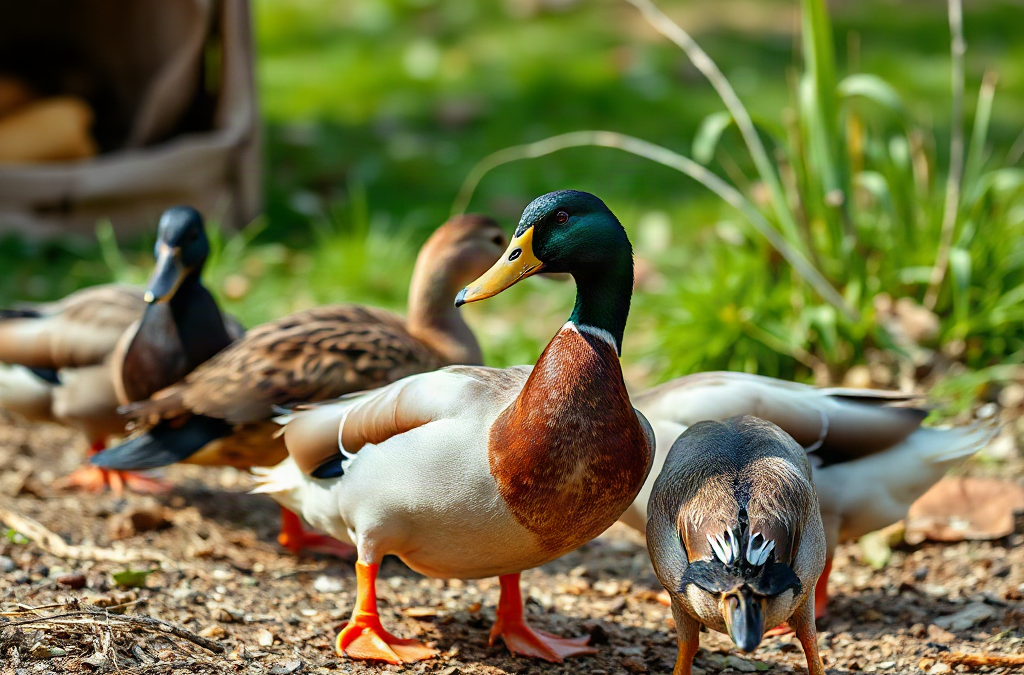
Ducks for homestead eggs need a laying-oriented breed, secure ground-level housing, balanced waterfowl feed, and water deep enough to rinse their eyes and nostrils. Khaki Campbells and Welsh Harlequins are strong egg-focused choices, while heavier dual-purpose breeds usually eat more and may lay fewer eggs.
by Julian Chandler | Sep 4, 2026 | Homesteading
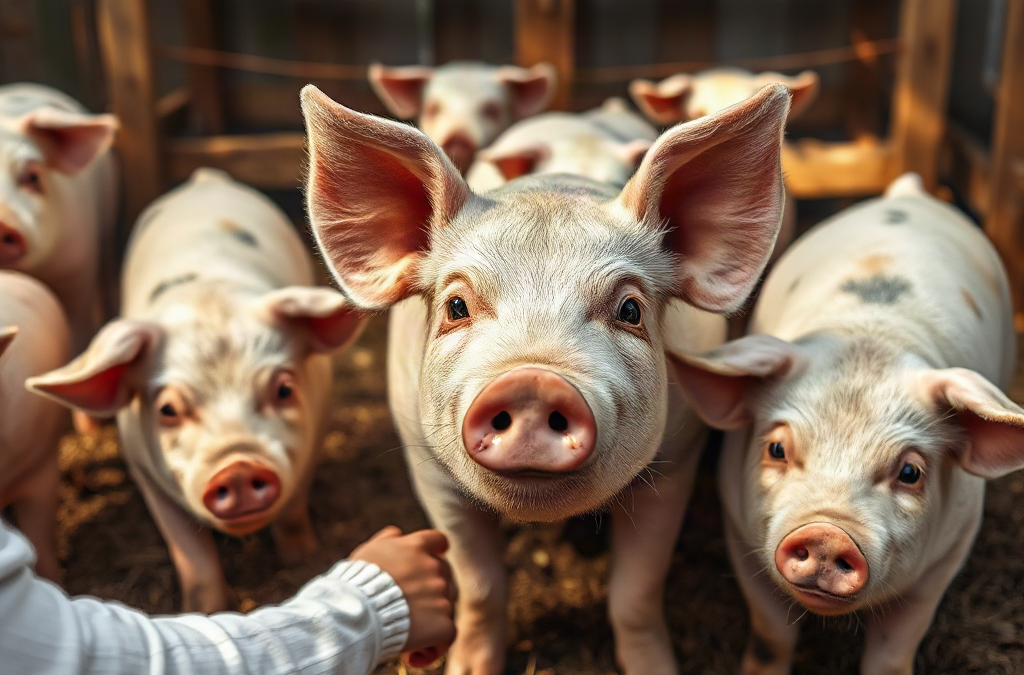
Explore pigs for homestead feed, fencing, and management through building sound feed program, considering the conditions that change the outcome.
by Julian Chandler | Sep 4, 2026 | Homesteading
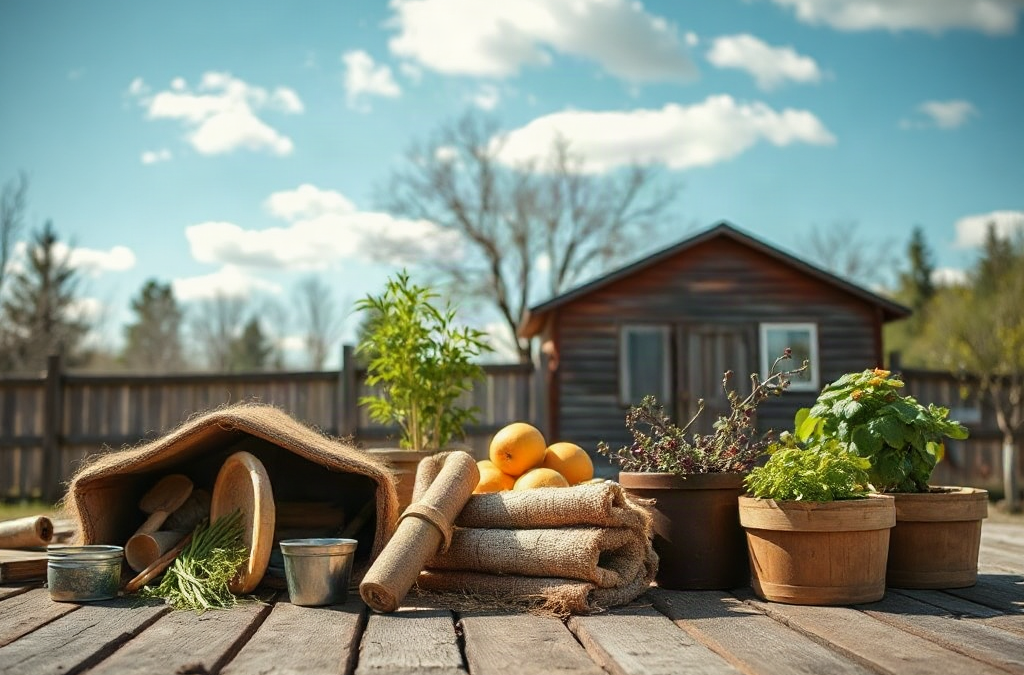
Homesteading-ish means building useful household resilience without abandoning modern life, through manageable food production, basic preservation, repair skills, emergency supplies, and sensible resource use. A workable approach matches projects to available time, space, money, climate, and household needs rather than copying an intensive rural lifestyle.
by Julian Chandler | Sep 3, 2026 | Homesteading
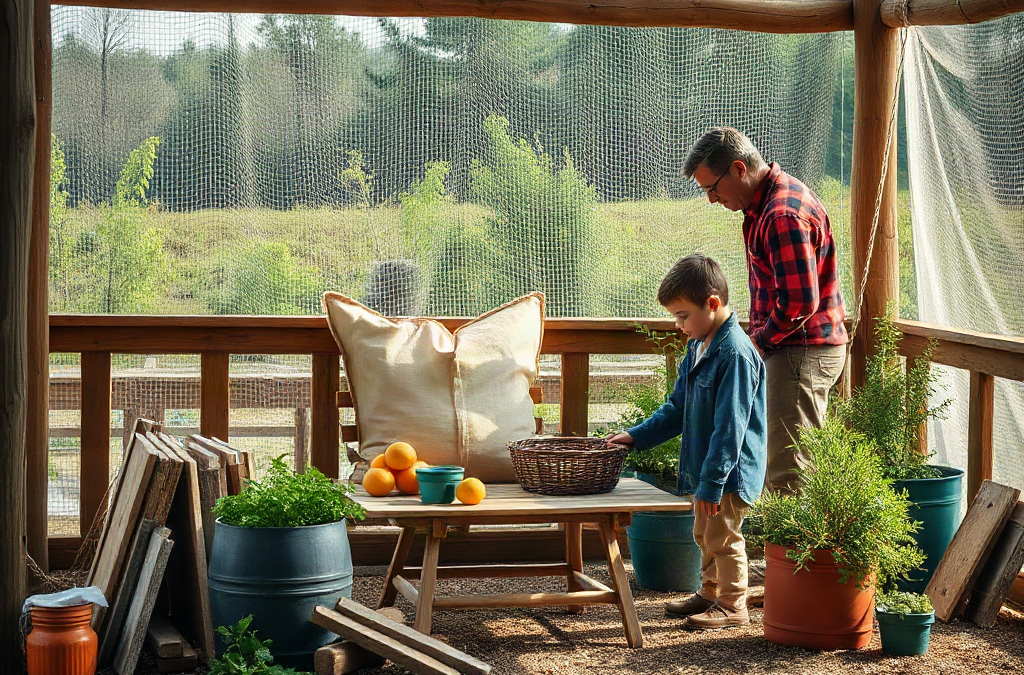
Practical homesteading topics for skill building are best organized into a 12-month sequence that moves from observation and soil preparation to food production, preservation, animal care, repairs, and emergency readiness. Begin with low-risk skills such as garden planning, tool maintenance, compost management, and basic cooking so mistakes cost little and results are easy to measure.
by Julian Chandler | Sep 3, 2026 | Homesteading
Family canning methods for household storage work best when each food is matched to a tested water-bath or pressure-canning process, then labeled and rotated in a cool, dark pantry. High-acid foods such as fruit, pickles, and properly acidified tomatoes generally use boiling-water canning, while low-acid vegetables, meats, poultry, and many…


