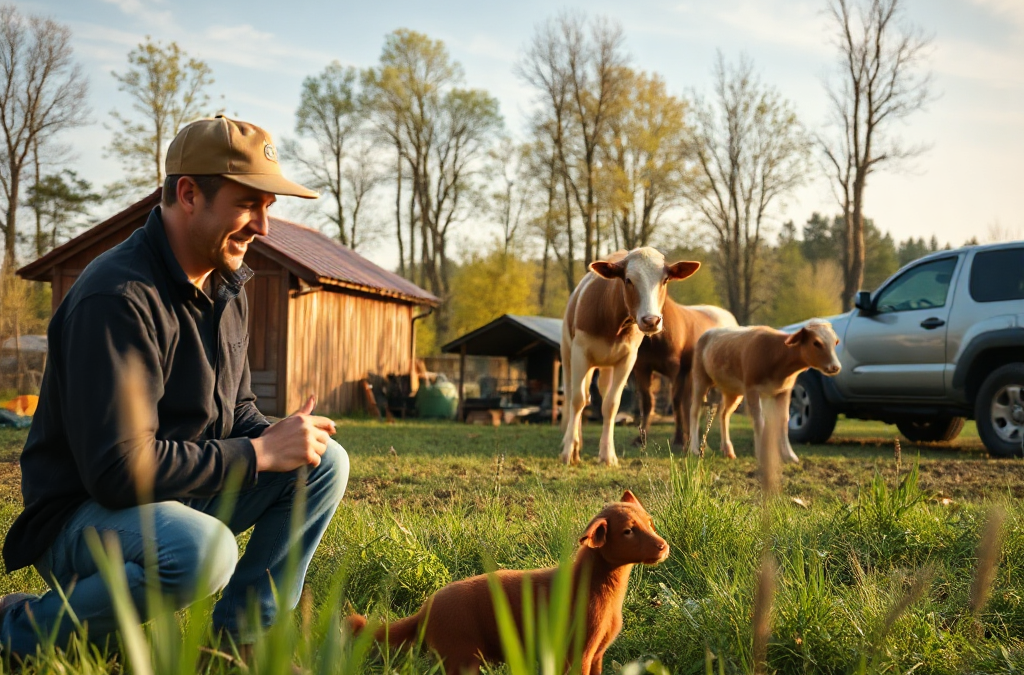
Starting a homestead comes with various challenges, including poor soil quality, limited water access, and pest management. To overcome these obstacles, it’s essential to conduct soil tests and amend deficiencies with organic materials, ensuring a fertile ground for crops. Understanding local water sources, such as rainwater harvesting, can provide a sustainable water supply. Additionally, implementing integrated pest management strategies, like companion planting, can help maintain a balanced ecosystem. By addressing these foundational issues early on, aspiring homesteaders can set themselves up for long-term success and productivity.
Identifying Common Challenges
Starting a homestead presents various challenges that can deter even the most passionate individuals. Common obstacles include poor soil quality, limited water access, and pest infestations. Addressing these issues early on is crucial for establishing a productive homestead. For instance, soil tests can reveal deficiencies that can be rectified with amendments like compost or organic fertilizers. Understanding local water sources, whether rainwater harvesting or well drilling, is also essential. Additionally, implementing pest management strategies, such as companion planting or natural predators, can help maintain a healthy ecosystem.
Many new homesteaders underestimate the importance of these foundational elements. A lack of research or preparation can lead to frustration and setbacks. For example, if soil quality is ignored, crops may fail, leading to wasted time and resources. Therefore, recognizing and planning for these challenges is vital to long-term success.
Effective Planning and Resource Management
Effective planning is the backbone of a successful homestead. Creating a detailed plan that includes crop rotation, livestock management, and resource allocation is essential. A well-structured plan helps prioritize tasks and allocate time and resources efficiently. For instance, understanding which crops thrive in your climate can prevent wasted effort and resources. Incorporating permaculture principles can enhance sustainability and reduce the need for external inputs.
Resource management involves using what you have wisely. This means not only managing financial resources but also time, labor, and materials. For example, utilizing reclaimed materials for building structures can save costs while promoting sustainability. Additionally, establishing a budget for initial investments in seeds, tools, and livestock is crucial. Keeping track of expenses and revenues can help in making informed decisions as the homestead grows.
Building a Support Network
Creating a support network is invaluable for overcoming challenges in homesteading. Engaging with local homesteaders or joining online communities can provide resources, advice, and emotional support. Sharing experiences with others can lead to practical solutions for common problems. For instance, participating in local workshops or farmer’s markets can foster connections with experienced homesteaders who can offer guidance.
Networking also opens avenues for collaboration. For example, bartering goods or services with neighbors can alleviate some burdens. By pooling resources, homesteaders can share tools, equipment, and even labor, making the workload more manageable. This sense of community can be a crucial lifeline, especially when faced with challenges that require quick solutions.
Adapting to Environmental Conditions
Environmental conditions significantly impact the success of a homestead. Understanding local climate, soil types, and natural resources is essential for effective planning. For instance, areas with a short growing season may require the use of greenhouses or cold frames to extend production. Additionally, knowledge of local wildlife can inform strategies to protect crops and livestock.
Adapting to these conditions may involve trial and error. For example, if certain crops fail due to poor soil drainage, experimenting with raised beds or alternative planting techniques may yield better results. Being flexible and willing to learn from mistakes can lead to improved outcomes over time.
For those interested in delving deeper into the challenges of starting a homestead, consider exploring resources from local agricultural extensions or homesteading organizations. These sources often provide valuable insights and practical advice tailored to specific regions.

Frequently Asked Questions
What are the most common challenges faced when starting a homestead?
The most common challenges include soil quality, water access, pest management, and understanding local climate conditions.
How can I improve soil quality for my homestead?
Improving soil quality can be achieved through soil testing, adding organic matter like compost, and practicing crop rotation.
Why is networking important for homesteaders?
Networking provides access to shared resources, advice, and emotional support, which can be invaluable when facing challenges.
What role does planning play in successful homesteading?
Planning helps prioritize tasks, allocate resources efficiently, and set realistic goals, ultimately leading to better productivity.
How can I adapt to my local environment when homesteading?
Adapting involves understanding local climate, soil types, and wildlife, and making adjustments like using greenhouses or raised beds as needed.
Conclusion
Overcoming challenges in starting a homestead demands careful planning, resource management, and community support. By identifying potential obstacles early, creating a solid plan, and adapting to environmental conditions, homesteaders can increase their chances of success. Engaging with local networks and continuously learning from experiences will further enhance resilience in the face of challenges. Ultimately, the journey of homesteading can be rewarding with the right approach and mindset.