
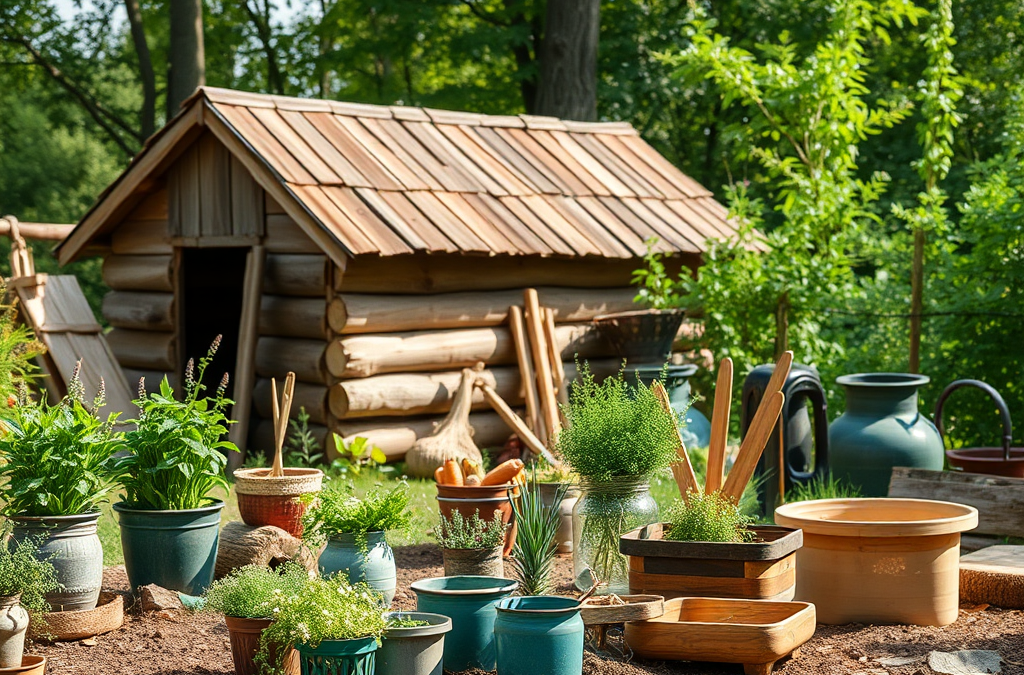
Natural living through homestead systems emphasizes the integration of sustainable practices that foster self-sufficiency. To effectively implement these systems, consider establishing a permaculture garden that mimics natural ecosystems, enhancing biodiversity and soil health. Additionally, incorporating renewable energy solutions like solar panels can significantly lower dependence on fossil fuels. A common mistake is neglecting local ecosystem understanding, which can lead to ineffective practices. By planning thoughtfully and utilizing organic methods, individuals can create a resilient homestead that not only supports their needs but also contributes positively to the environment and community.
The Importance of Homestead Systems
Homestead systems are crucial for fostering a sustainable lifestyle by integrating various elements of living, such as food production, energy use, and waste management. These systems not only reduce reliance on external resources but also promote a deeper connection to the environment. By incorporating practices like crop rotation and companion planting, individuals can enhance soil health and biodiversity, leading to more resilient ecosystems.
Moreover, the advantages of establishing these systems extend beyond individual households. Communities that adopt homesteading practices often experience improved food security and a reduction in carbon footprints. However, many beginners may overlook the importance of planning and understanding local ecosystems, which can lead to ineffective practices and wasted resources.
Creating a Permaculture Garden
A permaculture garden is designed to mimic natural ecosystems, promoting sustainability and biodiversity. This approach involves careful planning of plant placement, considering factors such as sunlight, water availability, and plant compatibility. Key principles include maximizing space and minimizing waste, which can lead to highly productive gardens that require less maintenance over time.
One common mistake is planting without understanding the specific needs of each plant, leading to poor growth and yield. To avoid this, gardeners should research native plants and their growth patterns. Additionally, using organic methods can help maintain soil health and reduce the need for chemical fertilizers, further supporting the principles of natural living.
Renewable Energy Solutions
Incorporating renewable energy solutions, such as solar panels and wind turbines, into a homestead can significantly reduce reliance on non-renewable resources. These systems not only decrease utility costs but also contribute to a greener environment by lowering greenhouse gas emissions. Energy independence enhances security and resilience against fluctuating energy prices.
However, the initial investment for renewable energy systems can be daunting. It’s essential to conduct a cost-benefit analysis and understand local regulations and incentives for renewable installations. Many homesteaders find that energy audits can identify areas for efficiency improvements, making the transition more affordable and practical.
Water Conservation Techniques
Water conservation is a vital aspect of natural living through homestead systems. Techniques such as rainwater harvesting, drip irrigation, and greywater recycling can significantly reduce water usage while maintaining healthy gardens and landscapes. Implementing these methods not only conserves a precious resource but also reduces the energy costs associated with water supply and treatment.
One common misconception is that water conservation systems are too complex or expensive to implement. In reality, many solutions can be adapted to fit various budgets and skill levels. Simple measures, such as installing rain barrels or using mulch to retain soil moisture, can be effective starting points for anyone interested in sustainable practices.

Frequently Asked Questions
What are the benefits of natural living through homestead systems?
Natural living through homestead systems promotes sustainability, reduces reliance on external resources, and enhances food security while fostering a deeper connection to the environment.
How can I start a permaculture garden?
Begin by researching native plants, understanding their growth requirements, and planning your garden layout to maximize space and resources.
What renewable energy options are available for homesteaders?
Common options include solar panels, wind turbines, and biomass systems, each offering unique benefits and considerations for energy independence.
How do I conserve water in my homestead?
Implement techniques like rainwater harvesting, drip irrigation, and greywater recycling to effectively reduce water usage while maintaining your garden.
What common mistakes should I avoid when starting homesteading?
One common mistake is failing to research local ecosystems and conditions, which can lead to ineffective practices and wasted resources.

