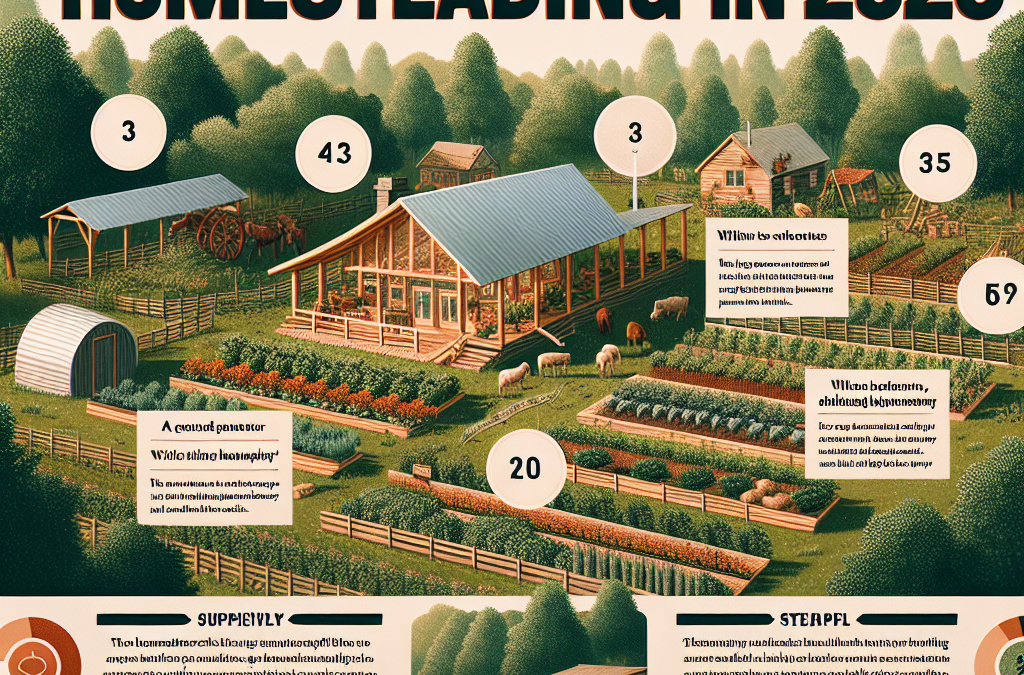
One of the key aspects of natural living is understanding the interconnectedness of various systems within a homestead. For example, the synergy between gardening, animal husbandry, and composting creates a self-sustaining ecosystem that minimizes waste and maximizes productivity. However, many beginners overlook the importance of planning and may inadvertently create imbalances, leading to inefficiencies or resource depletion. Prioritizing the design of a cohesive system can enhance overall functionality and yield.
Moreover, common mistakes include underestimating the time and effort required to maintain these systems. Many people envision an idyllic homesteading life without recognizing the hard work involved. It’s crucial to approach natural living with realistic expectations and a willingness to learn from trial and error. Establishing a successful homestead system requires ongoing adaptation and resilience in the face of challenges.
Designing an Effective Homestead Layout
An effective homestead layout is critical for maximizing productivity and minimizing labor. A well-thought-out design considers the placement of gardens, animal enclosures, and water sources to create a harmonious flow. For instance, positioning vegetable gardens near the kitchen reduces travel time for harvesting while integrating compost bins nearby can facilitate easy waste disposal.
When planning your layout, consider the sun’s path and prevailing winds, as these factors influence plant growth and energy efficiency. Additionally, incorporating elements like rainwater catchment systems and solar panels can enhance sustainability. Be aware that neglecting these environmental factors can lead to poor yields or energy inefficiencies, so prioritize a layout that works with nature rather than against it.
Many new homesteaders make the mistake of rushing into layout decisions without sufficient research. Take the time to observe existing ecosystems in your area, and draw inspiration from nature. Engaging with local homesteading communities can also provide valuable insights into effective design strategies. Remember, a successful layout evolves over time, so remain flexible and willing to adapt as you learn more about your land.
Integrating Sustainable Food Production
Food production is a cornerstone of natural living through homestead systems. Sustainable practices such as permaculture and companion planting can significantly enhance yield while promoting biodiversity. By designing your garden to mimic natural ecosystems, you can create a more resilient food source that requires less external input.
Implementing crop rotation and organic pest management is essential for maintaining soil health and preventing disease. Many homesteaders mistakenly rely on chemical fertilizers or pesticides, which can degrade soil quality over time. Instead, focus on building healthy soil through composting and mulching, which not only supports plant growth but also fosters a thriving ecosystem.
Prioritize growing a diverse range of crops to ensure food security and reduce the risk of total crop failure. Consider incorporating perennial plants that require less maintenance and provide ongoing yields. As you cultivate your garden, keep a journal to track successes and failures, allowing you to refine your practices over the seasons.
Energy Efficiency in Homesteading
Energy efficiency is vital for reducing costs and environmental impact in homesteading. Utilizing renewable energy sources like solar, wind, or hydropower can significantly decrease reliance on fossil fuels. Assess your energy needs and explore options for generating your own power, which can enhance self-sufficiency.
Implementing energy-efficient appliances and building materials can further optimize your homestead. For instance, using passive solar design principles in your home can reduce heating and cooling costs. Many newcomers overlook the importance of insulation and energy-efficient windows, leading to higher energy consumption. Prioritize these elements to create a more sustainable living environment.
Be aware of the trade-offs involved in energy production. While initial investments in renewable energy systems can be high, the long-term savings and environmental benefits often outweigh the costs. Research local incentives and grants that can assist with the transition to renewable energy solutions.
Waste Management Strategies
Effective waste management is crucial for maintaining a clean and sustainable homestead. Composting organic waste not only reduces landfill contributions but also enriches soil health. Implementing a composting system can be as simple as creating a designated area for kitchen scraps and yard waste.

Consider utilizing greywater systems to recycle water from sinks and showers for irrigation purposes. Many homesteaders fail to recognize the potential of greywater reuse, leading to unnecessary water waste. By designing a system that allows for this reuse, you can conserve resources and support your garden’s needs.
Additionally, familiarize yourself with local regulations regarding waste disposal and recycling. Engaging with your community can provide insights into best practices and innovative solutions that others have successfully implemented. Remember, a holistic approach to waste management not only benefits your homestead but also contributes positively to the wider environment.
Further Reading
Authoritative Sources
- Permaculture Institute
permaculture.orgThis resource offers comprehensive information on permaculture practices and sustainable living
- Energy Star
energystar.govExplore energy-efficient products and practices to enhance your homestead’s sustainability
- EPA Recycling Resources
epa.govA valuable guide to effective waste management and recycling practices
- Local Harvest
localharvest.orgFind local farms and community-supported agriculture programs to support sustainable food production
Frequently Asked Questions
What are the first steps to start homesteading?
Begin by assessing your land, defining your goals, and planning your layout. Research local resources to guide your practices.
How do I choose the right crops for my homestead?
Select crops suited to your climate and soil conditions. Consider companion planting for pest management and enhanced yields.
What are the benefits of composting?
Composting reduces waste, enriches soil, and supports plant health by providing essential nutrients in an organic form.
How can I ensure energy efficiency in my homestead?
Invest in renewable energy sources, utilize energy-efficient appliances, and incorporate passive solar design principles in your home.
What should I know about waste management?
Implement composting and consider greywater systems to recycle water. Stay informed about local regulations for effective waste disposal.
Conclusion
Natural living through homestead systems offers a pathway to self-sufficiency while promoting environmental sustainability. Prioritize effective design, sustainable food production, energy efficiency, and waste management to create a thriving homestead. As you embark on this journey, remain adaptable and open to learning from both successes and challenges. Engage with local communities and resources to enhance your knowledge and skills, ensuring a fulfilling and resilient homesteading experience.