
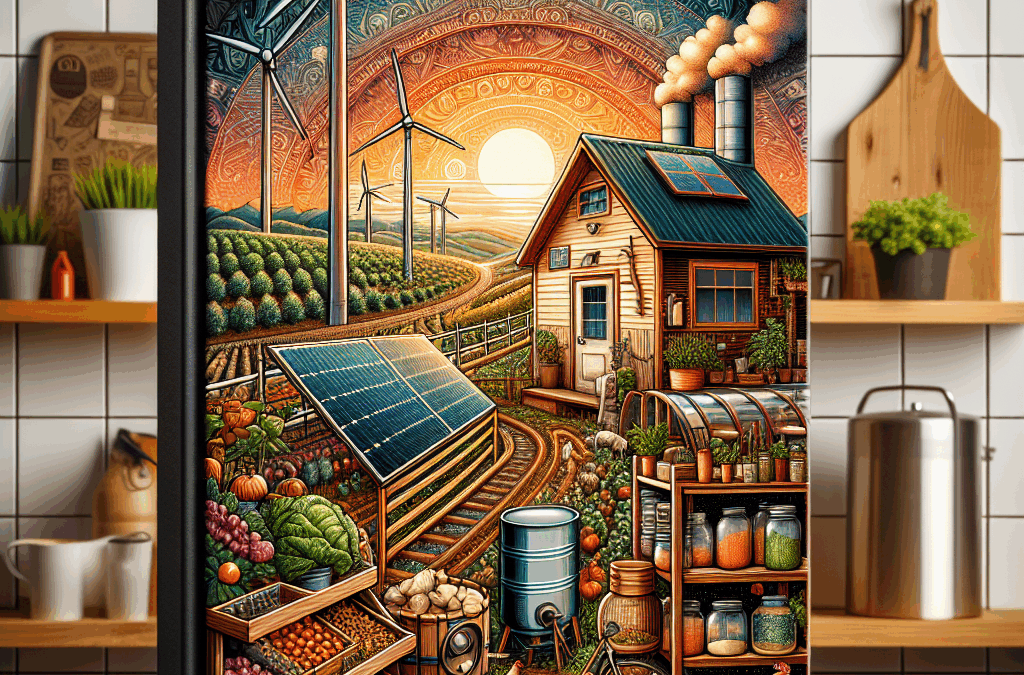
- 1. Permaculture Design for Self-Sufficient Living
- 2. Innovative Vertical Gardening Techniques
- 3. Solar Power Systems for Off-Grid Independence
- 4. Water Harvesting and Filtration Solutions
- 5. Sustainable Livestock Management
- 6. Food Preservation with Modern Techniques
- 7. Smart Homesteading Tools and Technologies
- 8. Eco-Friendly Building Materials and Designs
- 9. Community and Barter Networks
- 10. Integrating Permaculture with Modern Technologies
1. Permaculture Design for Self-Sufficient Living
Understanding Permaculture Principles
Permaculture remains at the forefront of modern homesteading ideas in 2025. It involves designing agricultural systems that mimic natural ecosystems to achieve sustainability and productivity. Implementing permaculture principles allows homesteaders to create resilient landscapes that require less input over time. This approach promotes soil health, biodiversity, and sustainable food production.
In my experience, a well-planned permaculture design can reduce water usage by up to 50%, making it perfect for areas facing drought conditions. Whether you’re establishing edible landscapes or creating natural pest control systems, understanding permaculture design helps maximize yield while minimizing environmental impact.
To explore permaculture in depth, consider resources like Bill Mollison’s classic works or local workshops.
Practical Implementation
To implement permaculture ideas on your homestead, start with observing your land’s natural patternsâsunlight, wind, and water flow. Use zoning to allocate crops and structures based on their needs and frequency of maintenance. Creating layered planting zones with trees, shrubs, and ground covers enhances productivity and habitat diversity.
Modern homesteaders integrate permaculture with smart planning tools, often using software to design their layouts. In 2025, drone imaging technology also helps analyze land features that may influence your permaculture zones effectively.
2. Innovative Vertical Gardening Techniques
Maximizing Space with Vertical Gardens
Vertical gardening is one of the most exciting modern homesteading ideas for maximizing limited space. Whether you live in a suburban lot or own a small farm, vertical gardens allow you to grow herbs, vegetables, and berries upwards rather than outwards. Itâs a perfect solution for urban homesteaders or those with small plots.
In 2025, new materials like modular hydroponic towers and recycled plastic panels make vertical gardening more accessible and eco-friendly. These setups reduce soil-borne diseases and improve airflow around plants, leading to healthier growth. Plus, they make harvests more manageable and reduce labor.
A practical tip: incorporate drip irrigation systems into your vertical garden setups to ensure consistent watering. Many modern homesteaders are now using automated watering controllers connected to weather data for optimal plant care.
Growing a Variety of Crops
Vertical systems are not just for leafy greensâthey can support tomatoes, strawberries, and even small fruit trees. With the right trellises and supports, you can diversify your homesteadâs food sources without needing more land. In 2025, GMO and hybrid seeds designed for vertical growth further enhance yields.
This technique is also great for integrating companion plantingâplanting flowers alongside vegetables to attract beneficial insects. This combination reduces the need for chemical pest control, aligning with sustainable homesteading ideals.
3. Solar Power Systems for Off-Grid Independence
Advancements in Solar Technology
By 2025, solar power has become more affordable and technologically advanced, offering powerful solutions for homesteaders seeking off-grid independence. Modern solar panels now boast efficiency rates of over 25%, providing ample energy to power homes, water heating, and small farms.
Installing a hybrid system combining solar PV with battery storage enables year-round energy independence. Many homesteaders are also integrating portable solar units for outdoor work areas or remote cabins, making energy access more flexible.
Research indicates that the average cost of solar installations has decreased by 60% since 2020, making it a practical investment. Carefully sizing your system to meet your energy needs is critical for maximizing savings and efficiency.
Energy Efficiency Tips
To complement your solar setup, adopt energy efficiency strategies like LED lighting, energy-saving appliances, and proper insulation. Using programmable thermostats and smart meters helps monitor consumption and optimize your system.
Historically, energy management reduced overall costs and extended battery lifeâkey considerations for homesteaders managing limited resources. With the surge in smart home technology, integrating energy monitoring apps is now easier than ever.
4. Water Harvesting and Filtration Solutions
Rainwater Collection Innovations
Effective water management is vital in modern homesteading ideas, especially in areas prone to drought. In 2025, sophisticated rainwater harvesting systems now feature modular tanks, debris filters, and automated pumps, making collection and use seamless.
Many homesteaders are installing rooftop catchment systems connected to filtration units that produce potable water. This reduces reliance on municipal sources and increases resilience during disruptions. In addition, greywater recycling allows for sustainable water reuse on your property.
A practical tip: ensure your rainwater systems incorporate first-flush diverters to prevent contaminants from entering your storage tanks. Regular maintenance and testing of water quality ensure safe consumption and use.
Filter and Purify with Latest Technologies
Advanced filtration options in 2025 include UV purifiers, ceramic filters, and carbon-based filters. These remove bacteria, viruses, and chemicals, ensuring clean water for drinking and household use. Solar-powered filtration devices are gaining popularity, especially for off-grid homesteads.
Investing in a combination of rainwater harvesting and effective filtration ensures a sustainable water supply. Additionally, small-scale solar water heaters can provide hot water without grid dependence.
5. Sustainable Livestock Management
Rotational Grazing and Pasture Management
Managing livestock sustainably is a cornerstone of modern homesteading ideas in 2025. Rotational grazing allows pasture regeneration, reduces overgrazing, and improves soil health. Moving animals between paddocks mimics natural herd movements, reducing parasite loads and increasing productivity.
This technique can double pasture productivity over time and decrease feed costs. Planning your grazing rotation with portable fencing and water systems is straightforward with modern tools, and it promotes animal welfare.
In my experience, diversified livestockâsuch as chickens, goats, and beesâcomplements sustainable homesteading well by providing multiple income streams and ecosystem benefits.
Integrating Technology for Livestock Care
Technology like RFID tags, automated feeders, and health monitoring apps help homesteaders keep track of animal health and productivity. In 2025, artificial intelligence tools assist in diagnosing issues early and optimizing feeding schedules.
Using remote sensors also helps monitor environmental conditions like temperature and humidity that affect livestock comfort. This integration results in healthier animals and better yields.
6. Food Preservation with Modern Techniques
Vacuum Sealing and Freeze-Drying
Storing surplus harvests has never been easier thanks to advances in food preservation. Vacuum sealing and freeze-drying allow homesteaders to extend their foodâs shelf life dramatically. In 2025, portable freeze-dryers are more affordable and easy to use at home.
These methods retain nutrients, flavors, and textures better than traditional dehydration. They also reduce food waste and provide stockpiles in case of emergencies or supply chain disruptions.
Practical advice: label and organize your preserved foods clearly. Investing in reliable moisture and oxygen absorbers further enhances storage quality.
Fermentation and Canning
Fermentation remains a trusted method for preserving vegetables, dairy, and beverages. Modern fermentation kits simplify the process, making it accessible for beginners. Additionally, pressure canners compliant with safety standards ensure long-term storage of meats and vegetables.
Combining traditional methods with contemporary tools streamlines preservation, reduces spoilage, and boosts flavor complexity. Community sharing of recipes and techniques is also popular in 2025.
7. Smart Homesteading Tools and Technologies
Automation and Monitoring Systems
2025’s homesteading ideas increasingly revolve around smart technology. Weather stations, soil sensors, and automated watering systems enable precise resource management. Using apps to track weather forecasts and soil moisture helps prevent overwatering and under-irrigation.
Home automation devices can even control lights, temperature, and security remotely, making homesteading more manageable and efficient. These tools reduce labor and optimize resource use, which is crucial for sustainability.
Integration of these technologies creates a connected homestead where data-driven decisions improve productivity and environmental impact.
Apps and Community Platforms
Mobile apps dedicated to homesteading offer resources, troubleshooting, and community sharing. Platforms like Permies or Homesteadify facilitate knowledge exchange, project planning, and marketplace transactions. Networking with other homesteaders accelerates learning and innovation.
In 2025, social media groups and online forums have become invaluable for real-time advice and support, especially when experimenting with new modern homesteading ideas.
8. Eco-Friendly Building Materials and Designs
Green Construction Trends
Building with sustainable materials continues to evolve in 2025. Reclaimed wood, hempcrete, straw bale, and recycled steel are popular choices that reduce your carbon footprint. These materials improve insulation and increase energy efficiency.
Design innovations like earthships and passive solar homes leverage natural energy and improve thermal comfort. Incorporating solar panels into building designs enhances aesthetic appeal and efficiency.
Practical tips include using local materials and passive design principles for cost-effective and environmentally friendly construction.
Permaculture-Based Design
Integrating permaculture principles into architecture involves creating multi-use structures that produce food, purify air, and support wildlife. Living roofs, greywater systems, and natural cooling techniques improve overall sustainability.
Adopting these design ideas not only reduces environmental impacts but also enhances homestead resilience to climate change.
9. Community and Barter Networks
Building Local Resilience
In 2025, the importance of community science, barter, and sharing networks has grown significantly. Establishing local groups for seed sharing, tool exchanges, and cooperative farming enhances self-sufficiency.
These networks reduce costs, increase access to diverse resources, and foster resilience during disruptions. Establishing mutual aid agreements and local trade alliances strengthens communal bonds.
My advice: start small by sharing surplus produce or skills with neighbors. As trust grows, formalize arrangements for larger collaborations or cooperative ventures.
Utilizing Online Platforms
Digital platforms facilitate global networking among homesteaders. Marketplaces, social groups, and educational webinars provide support and opportunities for barter and trade. In 2025, many communities operate on robust online forums to coordinate events and resource sharing.
Engaging in these networks can provide supplemental income, diversified supplies, and friendshipâkey elements for sustainable living.
10. Integrating Permaculture with Modern Technologies
High-Tech Certainty with Eco Principles
The future of modern homesteading ideas involves blending permaculture’s eco-friendly practices with smart technology. Sensors can monitor soil health, water usage, and plant growth in real-time, ensuring optimal conditions.
Using renewable energy sources to power these systems enhances sustainability. Drones and GIS mapping tools aid in planning and managing large-scale permaculture layouts.
This integration allows for precision farming, reducing waste while maximizing yieldâperfect for making your homestead future-ready.
Data-Driven Sustainability
Harnessing data analytics helps optimize resource use, predict weather patterns, and plan crop rotations. Modern homesteaders use AI apps that recommend planting schedules or warn about pest outbreaks, making management more scientific.
These innovations mean homesteaders can operate more efficiently, conserve resources, and adapt swiftly to changing conditions. By combining traditional permaculture wisdom with cutting-edge tools, 2025’s homesteaders are more empowered than ever.
Conclusion
As we look ahead to 2025, embracing these modern homesteading ideas can transform your property into a sustainable, productive, and resilient homestead. From advanced permaculture strategies to innovative water and energy solutions, these approaches reflect the best of current trends and cutting-edge technology.
Mastering these top 10 powerful modern homesteading ideas will not only boost your self-sufficiency but also help protect the environment. Remember, integrating the keyword phrase ‘modern homesteading ideas’ throughout this guide highlights the evolving landscape of sustainable living. Whether you’re just starting out or upgrading your homestead, these ideas provide valuable insights to make your homestead more efficient, eco-friendly, and community-oriented in 2025.
Frequently Asked Questions about Modern Homesteading Ideas
1. What are some effective modern homesteading ideas for beginners?
Beginners can start with simple vertical gardens, rainwater harvesting, and building a small solar setup. These low-cost, manageable projects help you learn sustainable practices while building confidence.
2. How can I incorporate permaculture design into my homestead?
Begin by observing your landâs natural patterns and then zoning your property accordingly. Use layered planting, companion planting, and water harvesting to maximize efficiency and ecological balance. Resources like Bill Mollisonâs works are great starting points.
3. Are there any eco-friendly building materials recommended in 2025?
Yes, materials like hempcrete, reclaimed wood, and straw bale are popular for sustainable construction. They improve insulation and reduce environmental impact, aligning well with modern homesteading ideas.

4. How can technology improve homesteading in 2025?
Smart sensors, automation, and AI-driven apps help optimize water, energy, and crop management. These tools make homesteading more efficient, saving time and resources.
5. Where can I find resources on advanced water filtration or renewable energy?
Look for industry leaders in renewable energy and water technology. Many organizations, government agencies, and online courses provide up-to-date guidelines suitable for modern homesteaders.
Adopting these innovative modern homesteading ideas for 2025 will enable you to cultivate a resilient, sustainable, and


