
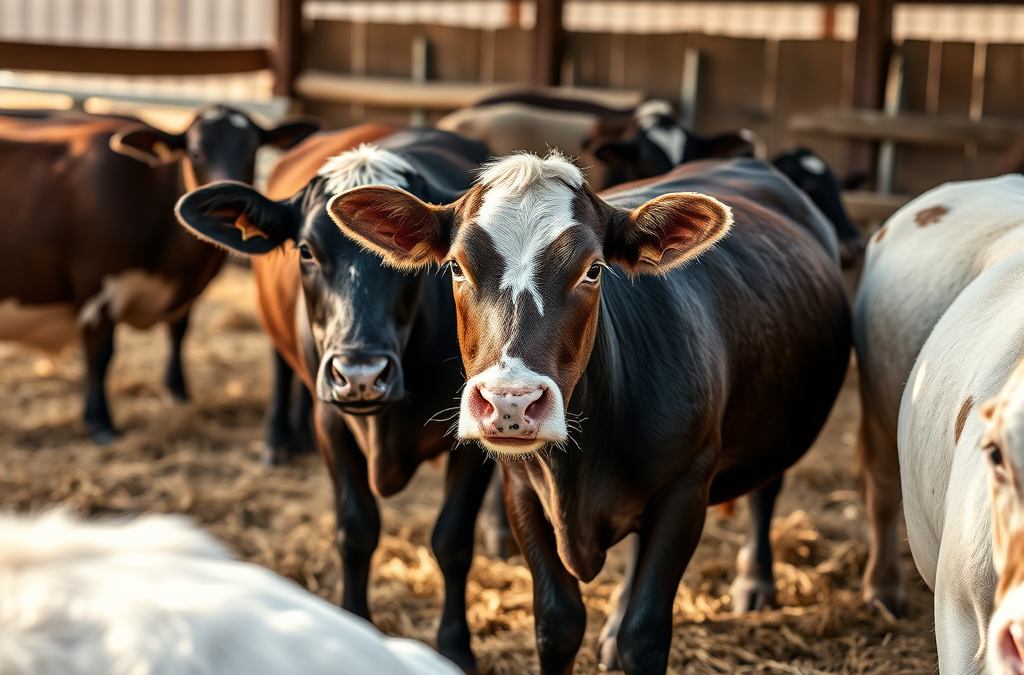
Managing livestock health on your homestead involves implementing regular health checks, providing proper nutrition, and maintaining clean living conditions. These practices help prevent disease outbreaks and ensure the well-being of your animals. Common mistakes include neglecting vaccinations, ignoring signs of illness, and failing to establish a consistent feeding routine. Prioritizing these aspects can lead to healthier livestock and a more productive homestead.
Regular Health Checks and Monitoring
Conducting regular health checks is vital for maintaining livestock health on your homestead. These checks should include assessing physical appearance, behavior, and overall vitality. Monitoring for signs of illness, such as coughing, lethargy, or changes in appetite, allows for early intervention and treatment. Establishing a routine for health assessments can help you track changes over time and identify potential issues before they escalate.
One common mistake many homesteaders make is neglecting to document health observations. Keeping a health log for each animal can provide valuable insights into their well-being and help spot trends or recurring problems. For example, if multiple animals show similar symptoms, it may indicate a larger issue, such as an infection or nutritional deficiency.
Additionally, consider regular veterinary visits and vaccinations as part of your livestock management plan. Collaborating with a veterinarian can provide tailored health strategies for your specific livestock types and local conditions.
Nutrition: The Foundation of Livestock Health
Proper nutrition is crucial for the health and productivity of your livestock. Each species has specific dietary needs, and meeting these requirements can prevent many health issues. Providing a balanced diet with the right mix of carbohydrates, proteins, vitamins, and minerals will support growth, reproduction, and overall health.
One practical approach is to consult with an animal nutritionist or utilize feed analysis services to ensure your livestock receive appropriate nutrition. For instance, sheep and goats require high-fiber diets, while poultry benefit from protein-rich feeds. Miscalculating these needs can lead to weight loss, reproductive problems, and increased susceptibility to diseases.
Another important aspect is the timing and frequency of feeding. Establishing a consistent feeding schedule helps maintain digestive health and reduces stress among your animals. Always provide access to clean, fresh water, as hydration is essential for nutrient absorption and overall health.
Sanitation and Living Conditions
Maintaining clean living conditions is essential for managing livestock health on your homestead. Dirty environments can harbor parasites, bacteria, and viruses that threaten your animals’ well-being. Regularly cleaning and disinfecting barns, pens, and feeding areas will help minimize health risks.
Consider implementing a waste management system to handle manure effectively. Composting manure can provide a nutrient-rich fertilizer for your crops while reducing the risk of disease transmission. Additionally, ensuring proper ventilation in animal housing helps prevent respiratory issues and improves overall air quality.
Common mistakes include overcrowding and inadequate shelter. Animals need enough space to move freely and exhibit natural behaviors. Overcrowding can lead to stress, injuries, and increased disease transmission. Make sure to provide ample space and proper shelter to protect your livestock from extreme weather conditions.
Common Health Issues and Prevention
Understanding common health issues that may affect your livestock is key to effective management. Issues such as parasites, respiratory infections, and nutritional deficiencies can significantly impact animal health and productivity. Regular health monitoring, as mentioned earlier, is essential for identifying these problems early.
Implementing a preventive health plan, including vaccinations and deworming protocols, can significantly reduce the incidence of disease. For example, vaccines for common diseases like clostridial infections or respiratory viruses can protect your animals and prevent outbreaks on your homestead.

Additionally, maintaining a stress-free environment is crucial for livestock health. Stress can weaken immune systems and make animals more susceptible to illness. Practices such as gentle handling, providing adequate space, and minimizing loud noises can help reduce stress levels.
Frequently Asked Questions
What are the signs of illness in livestock?
Common signs of illness include lethargy, loss of appetite, coughing, limping, or abnormal behavior. Regular monitoring can help identify these symptoms early.
How often should I check my livestock’s health?
Conduct health checks at least once a week, but daily observations are ideal to catch any changes in behavior or health.
What is the best way to prevent disease in livestock?
Implement a comprehensive health management plan that includes vaccinations, regular health checks, and maintaining clean living conditions.
How can I improve my livestock’s nutrition?
Consult with a nutritionist to create a balanced feeding plan that meets the specific dietary needs of your livestock species.
What should I do if I notice a sick animal?
Isolate the sick animal from the rest of the herd and consult a veterinarian for diagnosis and treatment.
Conclusion
Managing livestock health on your homestead requires a proactive approach that encompasses regular health checks, proper nutrition, and clean living conditions. By prioritizing these areas and being aware of common pitfalls, you can ensure the well-being of your animals and enhance the productivity of your homestead. Taking the time to develop a comprehensive health management plan will pay off in the long run, leading to healthier livestock and a more sustainable operation.


