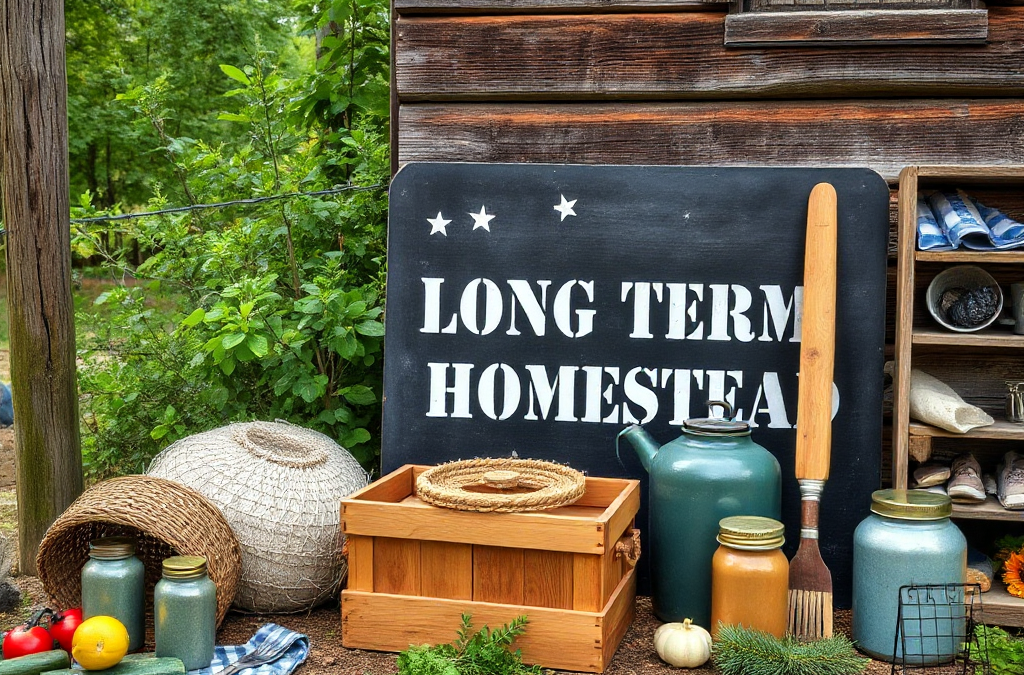
Long term security through homesteading is achieved by cultivating self-sufficiency and resilience in your lifestyle. This involves acquiring essential skills such as gardening, animal husbandry, and food preservation, which allow you to produce and store your own food. Additionally, understanding renewable energy solutions can further enhance your independence from external systems. A common mistake is underestimating the time needed to develop these skills, which can lead to frustration and wasted resources. By investing time in learning and practicing these skills, you can create a sustainable homestead that effectively buffers against economic uncertainties and enhances your overall quality of life.
The Importance of Self-Sufficiency
Self-sufficiency is crucial for long term security through homesteading as it minimizes reliance on external systems, especially in times of crisis. By cultivating the ability to produce food, manage resources, and maintain your living environment, you create a buffer against economic instability and supply chain disruptions. This independence not only enhances personal security but also fosters a sense of community and shared knowledge among fellow homesteaders.
In practical terms, self-sufficiency means having the skills to grow your own food, preserve it for long-term storage, and manage waste effectively. For instance, implementing composting methods not only reduces waste but also enriches soil for gardening. Many homesteaders find that incorporating these practices leads to a more fulfilling lifestyle that prioritizes sustainability and mindfulness.
Essential Skills for Homesteading
Developing essential skills is foundational for achieving long term security through homesteading. Key skills include gardening, animal husbandry, food preservation, and basic construction. Gardening allows individuals to produce fresh, organic food, while raising livestock can provide meat, eggs, and dairy products. Understanding the life cycles of plants and animals is crucial for successful cultivation and care.
Food preservation techniques, such as canning, drying, and fermenting, ensure that surplus produce is not wasted and can be enjoyed throughout the year. Additionally, having basic construction skills enables homesteaders to build or repair structures, which is vital for maintaining a functional homestead. Mistakes often occur when individuals underestimate the time and effort required to develop these skills, so patience and practice are essential.
Sustainable Resource Management
Effective resource management is vital for long term security through homesteading. This includes water conservation, energy efficiency, and soil health management. Utilizing rainwater harvesting systems can significantly reduce dependency on municipal water sources, while solar panels can provide renewable energy for household needs. These systems not only lower expenses but also contribute to a sustainable lifestyle.
Maintaining soil health through crop rotation, cover cropping, and organic amendments ensures productive gardens and fields. Homesteaders often face challenges such as soil erosion or nutrient depletion, which can be mitigated through sustainable practices. Prioritizing resource management not only enhances self-sufficiency but also promotes environmental stewardship.
Building Community Connections
Building connections within the homesteading community is essential for long term security. Networking with like-minded individuals can provide support, knowledge sharing, and resources that enhance self-sufficiency. Community gardens, workshops, and local farmers’ markets are excellent opportunities to engage with others and share skills or surplus produce.
Moreover, collaborating with neighbors on larger projects, such as communal food preservation events or shared tool libraries, can reduce costs and foster a sense of belonging. Misconceptions often arise around the idea of homesteading as a solitary endeavor; in reality, community connections amplify the benefits of homesteading, leading to greater resilience.
For those interested in exploring more about long term security through homesteading, consider looking into local agricultural extension services, which often provide resources and workshops tailored to your area. Additionally, reputable homesteading books and online forums can offer valuable insights and support.

Frequently Asked Questions
What is the first step to start homesteading?
The first step to start homesteading is to assess your current resources and skills, then create a plan that outlines your goals, such as growing food or raising animals.
How much land do I need for homesteading?
While there is no specific amount of land required, even a small urban lot can support a productive garden and small livestock, depending on your goals.
Is homesteading expensive?
Homesteading can have initial costs for tools and materials, but over time, it often reduces living expenses through self-sufficiency and resource management.
What skills are essential for successful homesteading?
Essential skills for successful homesteading include gardening, food preservation, animal husbandry, and basic construction or repair skills.
How can I connect with other homesteaders?
You can connect with other homesteaders through local workshops, community gardens, social media groups, and farmers’ markets.
Conclusion
Achieving long term security through homesteading requires a commitment to self-sufficiency, skill development, and sustainable resource management. By focusing on these areas, individuals can create a resilient lifestyle that not only meets their immediate needs but also prepares them for future challenges. Engaging with the community further enhances this journey, providing support and shared knowledge. Start by assessing your current situation, setting realistic goals, and gradually building the skills and connections necessary for a fulfilling homesteading experience.