To truly live intentionally, it’s important to set clear goals for your homestead. This includes determining what you want to achieve—whether it’s growing your own food, raising livestock, or creating a sustainable energy system. Understanding these objectives allows you to prioritize your efforts, allocate resources wisely, and avoid common pitfalls that can lead to frustration and burnout.
A common mistake is underestimating the time and effort required for various homesteading activities. Many newcomers may dive into projects without adequate planning, leading to wasted resources and unmet expectations. By assessing your time constraints, skills, and available support, you can create a more realistic plan that aligns with your lifestyle and goals.
Establishing Clear Intentions for Your Homestead
Establishing clear intentions is the first step toward living intentionally on your homestead. It involves defining your values and goals, which can guide your decisions and actions. Consider what aspects of homesteading resonate most with you—such as organic gardening, permaculture, or animal husbandry—and let these passions inform your approach.
By articulating your intentions, you can create a vision that motivates you and serves as a reference point for evaluating your progress. This clarity can help you stay focused on your priorities, especially when faced with distractions or challenges. Moreover, a well-defined purpose can inspire others to join you in your homesteading journey, fostering collaboration and shared goals.
Many homesteaders overlook the importance of revisiting their intentions periodically. Life circumstances change, and so do our aspirations. Regularly reflecting on your goals allows you to adapt your plans accordingly and ensures that your homesteading efforts remain aligned with your evolving values.
Practical Steps for Sustainable Living
Implementing practical steps for sustainable living is crucial to achieving self-sufficiency. Start by assessing your current resources, such as land, water, and energy. Based on this evaluation, you can identify areas for improvement and prioritize projects that will enhance your sustainability.
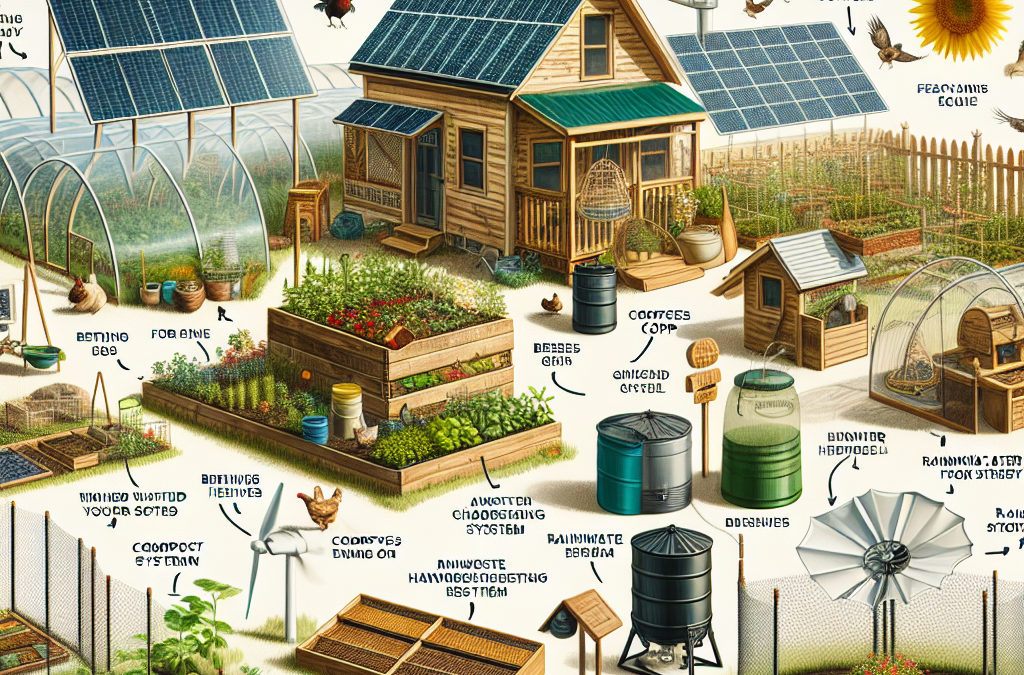
For example, consider incorporating rainwater harvesting systems to reduce water consumption or establishing a composting system to recycle organic waste. These actions not only promote sustainability but also contribute to a healthier ecosystem on your homestead. Additionally, growing your own food can significantly reduce your reliance on external sources and provide fresher, nutrient-rich options.
It’s essential to recognize that sustainability is often a gradual process. Start small and expand your efforts as you gain confidence and experience. This approach minimizes overwhelm and allows you to celebrate your successes along the way, reinforcing your commitment to living intentionally.
Building Community Connections
Building community connections is vital for successful homesteading. Engaging with like-minded individuals can provide support, knowledge, and resources that enhance your homesteading experience. Consider joining local farming groups, attending workshops, or participating in community-supported agriculture (CSA) programs to expand your network.
Sharing experiences and advice with fellow homesteaders can also help you navigate challenges and discover new methods for sustainable living. Additionally, fostering relationships with neighbors can lead to collaborative projects, such as tool sharing or community gardens, which can lighten your workload and enhance your sense of belonging.

Many homesteaders underestimate the power of community. By actively participating in local events and contributing to community initiatives, you can create a supportive environment that enriches your homesteading journey and fosters lasting relationships.
Avoiding Common Homesteading Mistakes
To live intentionally on your homestead, it’s important to recognize and avoid common mistakes. One prevalent issue is overcommitting to projects without a clear understanding of the time and resources required. This can lead to frustration and burnout, ultimately hindering your progress.
Another mistake is neglecting self-care and personal well-being. Homesteading can be physically and mentally demanding, so it’s crucial to prioritize your health and happiness. Schedule regular breaks, engage in activities that bring you joy, and seek help when needed to maintain a balanced lifestyle.
Additionally, many homesteaders fail to document their progress, which can make it challenging to evaluate successes and areas for improvement. Keeping a journal of your experiences allows you to reflect on your journey, celebrate achievements, and adjust your goals as necessary.
Further Reading
Authoritative Sources
- Sustainable Homesteading Resources
example.comA comprehensive collection of articles and guides focused on sustainable practices for homesteaders
Frequently Asked Questions
What does it mean to live intentionally on a homestead?
Living intentionally on a homestead means making conscious choices that prioritize sustainability, self-sufficiency, and meaningful relationships with the land and community.
How can I start living more intentionally on my homestead?
Begin by setting clear goals for your homestead, assessing your resources, and implementing practical steps for sustainable living.
What are some common mistakes homesteaders make?
Common mistakes include overcommitting to projects, neglecting self-care, and failing to document progress.
How important is community in homesteading?
Community is vital as it provides support, knowledge, and resources, enhancing your homesteading experience and fostering collaboration.
What practical steps can I take for sustainable living?
Implement practical steps such as rainwater harvesting, composting, and growing your own food to enhance sustainability on your homestead.
Conclusion
Living intentionally on your homestead requires dedication, planning, and community engagement. By establishing clear intentions, implementing practical steps for sustainable living, and avoiding common mistakes, you can create a thriving homestead that aligns with your values. Remember to periodically reflect on your goals and seek support from your community to enhance your journey towards self-sufficiency. Embrace the process, celebrate your achievements, and continue to adapt as you grow.