Transitioning to a more sustainable lifestyle involves making conscious choices that reduce your environmental impact. Start by evaluating your consumption habits, opting for local and organic foods, and minimizing waste through recycling and composting. Additionally, consider energy-efficient practices in your home, such as using LED lighting and reducing water usage. These steps not only help the planet but can also lead to a healthier lifestyle and potential cost savings.
Understanding Sustainability in Daily Life
Embracing a more sustainable lifestyle means recognizing the impact of your daily choices on the environment. Sustainability is not just about reducing waste; it encompasses a holistic approach to living that prioritizes the health of our planet and its resources. This includes assessing how your food, energy, and material consumption affect the environment.
For instance, food production is a significant contributor to greenhouse gas emissions. By choosing locally sourced and organic food, you can reduce your carbon footprint and support sustainable farming practices. Understanding these connections is crucial for making informed decisions that align with your sustainability goals.
Practical Steps to Begin Your Transition
Starting your journey towards a sustainable lifestyle can feel overwhelming, but taking practical steps makes it manageable. Begin by evaluating your current habits:
- Assess Your Consumption: Track your purchases for a week to identify areas where you can make changes.
- Opt for Local and Organic Foods: These choices often have a lower environmental impact and support local economies.
- Minimize Waste: Implement recycling and composting in your home. This reduces landfill contributions and enriches soil.
- Energy Efficiency: Switch to LED lighting, unplug devices when not in use, and consider energy-efficient appliances.
- Water Conservation: Simple measures like fixing leaks, using water-efficient fixtures, and collecting rainwater can significantly reduce water usage.
These steps create a foundation for a sustainable lifestyle. By making small, consistent changes, you contribute positively to the environment while enhancing your quality of life.
Common Missteps to Avoid
While transitioning to a more sustainable lifestyle, many individuals encounter common pitfalls. One major mistake is the tendency to make drastic changes all at once. This can lead to burnout and frustration. Instead, focus on gradual adjustments that can be sustained over time.
Another common misstep is not educating yourself about the products you buy. Many items marketed as ‘eco-friendly’ may not be genuinely sustainable. Always research and understand the implications of your purchases. For example, biodegradable products may still require specific conditions to break down effectively, which might not be met in standard landfills.
Long-term Strategies for Sustainable Living
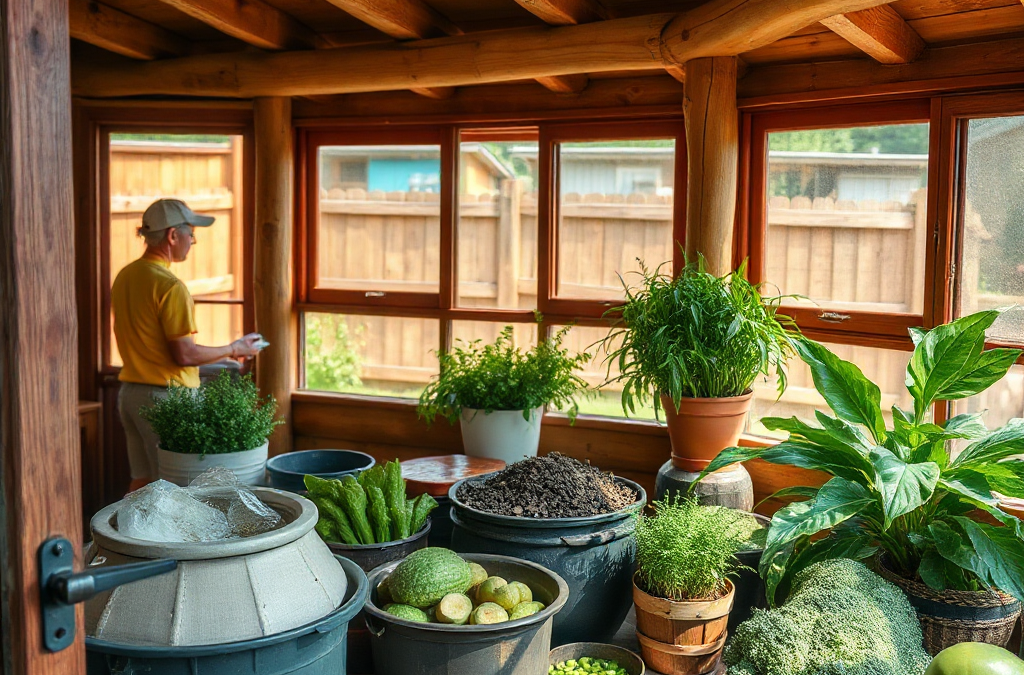
To maintain a sustainable lifestyle, consider implementing long-term strategies that integrate sustainability into your daily routine. One effective strategy is to cultivate a home garden. Growing your own fruits and vegetables not only reduces reliance on store-bought produce but also promotes biodiversity and reduces food miles.
Additionally, engage with your community. Join local sustainability groups or initiatives that focus on environmental conservation. This not only provides support and resources but also fosters a sense of belonging and shared purpose.
Lastly, continuously educate yourself on sustainability practices. Stay informed about new developments in sustainable technologies and practices, and adapt your lifestyle accordingly. By remaining flexible and informed, you can ensure that your efforts contribute effectively to a healthier planet.

Frequently Asked Questions
What is the first step in transitioning to a sustainable lifestyle?
The first step is to evaluate your consumption habits and identify areas where you can reduce waste and improve sustainability.
How can I reduce my carbon footprint?
Reducing your carbon footprint can be achieved by using public transport, minimizing energy use, and choosing local products.
Is it expensive to live sustainably?
While some sustainable products can be costly, many practices, like reducing waste and conserving energy, can save you money in the long run.
How can I educate myself about sustainability?
You can educate yourself through books, online courses, and resources from environmental organizations.
What role does community play in sustainable living?
Community engagement fosters support, provides resources, and encourages collective action towards sustainability.
Conclusion
Transitioning to a more sustainable lifestyle is a journey that requires commitment, education, and practical steps. By understanding the impact of your choices and gradually implementing changes, you can significantly contribute to environmental conservation. Focus on making informed decisions, avoiding common pitfalls, and engaging with your community for support. As you progress, remember that even small actions can lead to meaningful change.