
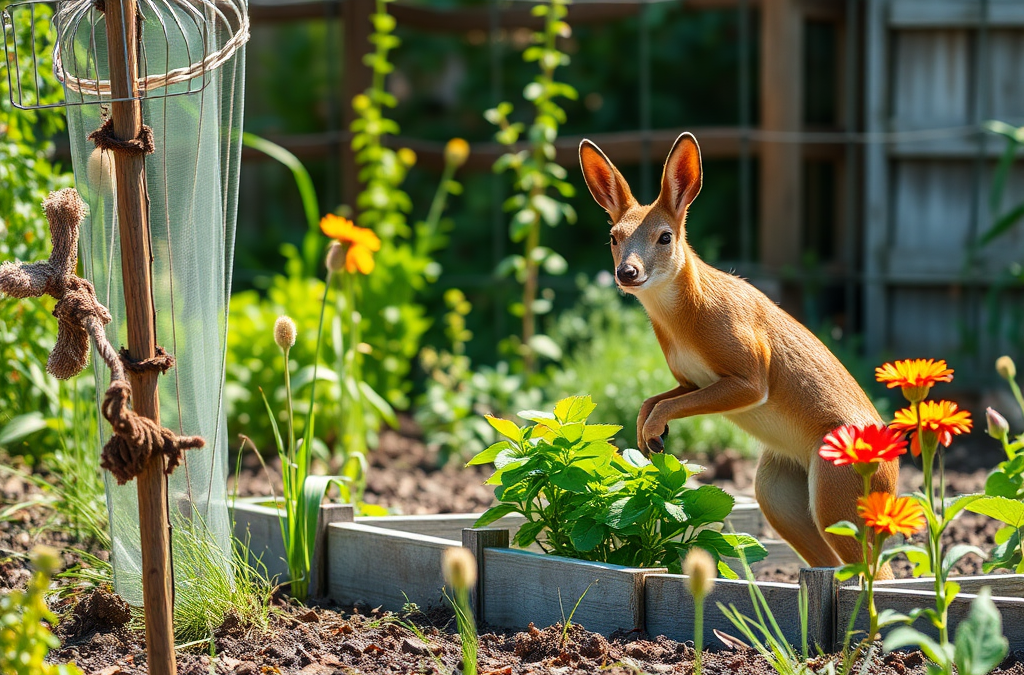
To protect your garden from wildlife, implement barriers such as fences and netting, and use natural deterrents like scents or motion-activated devices. Fencing should be at least 6 feet tall and buried a foot underground to prevent burrowing animals. Additionally, planting certain herbs can deter unwanted pests while attracting beneficial insects. Combining these methods ensures a comprehensive approach to safeguarding your garden.
Understanding Wildlife Threats
Identifying the types of wildlife that threaten your garden is essential for effective protection. Common culprits include deer, rabbits, raccoons, and birds, each presenting unique challenges. For instance, deer can easily jump over low fences, while rabbits may burrow under them. Understanding their behaviors and feeding patterns will help you devise targeted strategies to protect your plants.
Many gardeners underestimate the extent of wildlife damage until they find their plants chewed down to the ground. Educating yourself about local wildlife can help you anticipate potential threats. For example, if you live in an area with a high deer population, consider investing in taller fencing or other deterrents. Recognizing the signs of wildlife activity, such as tracks or droppings, can also provide valuable insights into how to best protect your garden.
Effective Barriers for Your Garden
Physical barriers are one of the most reliable methods for protecting your garden from wildlife. Fencing is often the first line of defense. A fence should ideally be at least 6 feet tall to deter deer and should be buried about a foot underground to prevent burrowing animals like rabbits. Different fencing materials can serve various purposes: chain link, wood, or even electric fencing can be effective.
In addition to fencing, consider using garden netting or row covers to protect specific plants. These materials can prevent birds from pecking at fruits and vegetables while allowing sunlight and rain to nourish the plants. When installing barriers, it’s crucial to ensure there are no gaps that animals can exploit. Regular inspections can help maintain the integrity of your barriers.
Natural Deterrents to Consider
Incorporating natural deterrents can enhance your garden’s defenses against wildlife. Certain plants, such as marigolds and lavender, are known to repel deer and other pests due to their strong scents. Additionally, using human hair or predator urine around your garden can signal danger to wildlife, encouraging them to stay away.
Another effective method is the use of motion-activated devices, such as sprinklers or lights. These devices can startle animals, making them less likely to return. Sound-based deterrents, like ultrasonic devices, can also be useful against specific animals. However, it’s important to use these methods judiciously to avoid distressing pets or beneficial wildlife.
Creating a Wildlife-Friendly Environment
While protecting your garden from wildlife is essential, creating a balanced ecosystem can also be beneficial. Consider planting a variety of flowers and herbs that attract pollinators and beneficial insects that can help control pest populations naturally. This approach not only protects your garden but also supports local wildlife.
In addition, establishing a wildlife-friendly area away from your main garden can provide animals with an alternative food source, reducing their interest in your plants. For example, a small patch of native plants can attract butterflies and bees while diverting deer away from your vegetables. Understanding the balance between protection and coexistence can lead to a healthier garden environment.
Frequently Asked Questions
What is the best way to keep deer out of my garden?
Install a fence at least 6 feet tall and consider using deer repellents made from strong-smelling substances.
Can I use plants to deter wildlife?
Yes, planting herbs like mint or strong-smelling flowers can naturally repel certain pests.
What should I do if I see wildlife in my garden?
Observe their behavior and identify the species, then implement barriers or deterrents specific to that animal.
Are there humane ways to manage wildlife in my garden?
Yes, using deterrents and barriers is a humane way to keep wildlife out without harming them.
How can I tell if my garden is being damaged by wildlife?
Look for signs such as chewed leaves, droppings, or tracks around your plants.
Conclusion
Protecting your garden from wildlife requires a proactive approach involving barriers, natural deterrents, and an understanding of local wildlife behavior. By implementing effective fencing, utilizing natural repellents, and creating a wildlife-friendly environment, you can safeguard your plants while maintaining a balanced ecosystem. Regular monitoring and adjustments to your strategies will ensure continued success in keeping unwanted visitors at bay.


