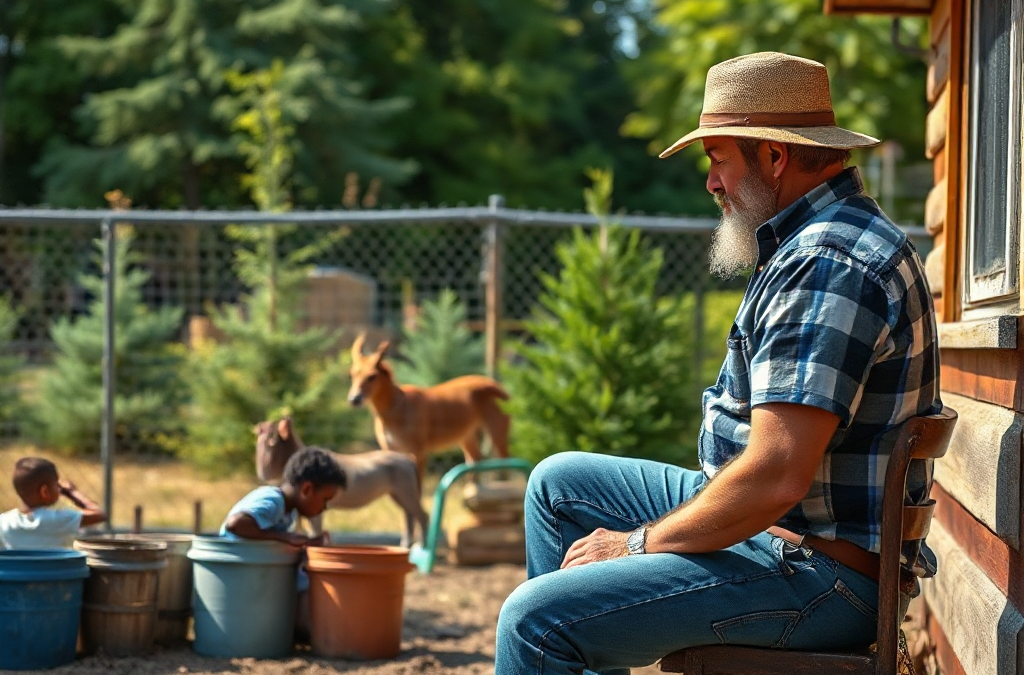
To properly prepare for seasonal changes on your homestead, begin by assessing the specific needs of your crops and livestock. Adjust your planting and harvesting schedules based on local climate patterns, ensuring you account for frost dates and optimal planting windows. Additionally, prepare your livestock for seasonal shifts by providing appropriate shelter and nutrition. For instance, during winter, ensure they have adequate feed and warmth, while in summer, focus on hydration and shade. By proactively managing these aspects, you can enhance productivity and maintain the health of your homestead throughout the year.
Understanding Seasonal Changes
Seasonal changes significantly impact agricultural practices, livestock management, and overall homesteading efficiency. Recognizing the patterns of each season—spring, summer, autumn, and winter—allows homesteaders to make informed decisions that enhance productivity and sustainability. Understanding these changes is essential for optimizing crop growth and ensuring livestock health.
The transition between seasons brings varying temperatures, rainfall patterns, and sunlight hours, which directly affect planting and harvesting timelines. For instance, spring heralds the beginning of planting season, while autumn is typically reserved for harvest. Failing to recognize these shifts can lead to poor crop yields and challenges in livestock care.
One common misconception is that seasonal changes only affect crops. In reality, livestock require specific care adjustments as seasons shift. For example, winter preparations may involve providing additional shelter and feed, while summer might necessitate measures to keep animals cool and hydrated.
Adjusting Your Planting and Harvesting Schedule
To effectively prepare for seasonal changes, a homesteader must adjust their planting and harvesting schedules accordingly. This requires knowledge of local climate conditions, soil health, and crop varieties. Timing is crucial; planting too early or too late can lead to reduced yields or crop failure.
For example, if you live in a region with a short growing season, consider starting seeds indoors or using row covers to extend your planting window. Additionally, keep track of frost dates in your area, as these will dictate when to plant sensitive crops. A common mistake is neglecting to account for these frost dates, which can result in significant loss.
Furthermore, rotating crops based on seasonal changes can enhance soil health and reduce pest issues. By alternating crops, you can prevent nutrient depletion and maintain a balanced ecosystem within your homestead.
Preparing Livestock for Seasonal Changes
Livestock management is another critical aspect of preparing for seasonal changes. Different seasons demand different care approaches to ensure the health and productivity of your animals. For example, in winter, livestock may require additional bedding, shelter from harsh weather, and a higher caloric intake to maintain body heat.
In contrast, during the summer months, it is essential to provide ample shade and water to prevent heat stress. Regularly monitoring your animals for signs of distress due to temperature extremes will help you take timely action. For instance, providing electrolytes during hot weather can support hydration and overall health.
One common failure in livestock management is underestimating the impact of seasonal changes on animal health. Be proactive by adjusting feeding schedules, increasing water availability, and ensuring your animals are acclimated to temperature shifts.
Maintaining Your Homestead Infrastructure
Preparing your homestead infrastructure for seasonal changes is vital for long-term sustainability and efficiency. This involves inspecting and maintaining essential structures such as barns, greenhouses, and fencing before the onset of harsh weather conditions.
For example, ensuring that roofs are secure and free of leaks before winter can prevent damage to stored feed and equipment. In the spring, it is wise to check irrigation systems to ensure they are functioning correctly as planting season begins. A common oversight is neglecting to address small repairs throughout the year, which can lead to larger issues when the seasons change.

Additionally, consider creating a seasonal maintenance checklist that includes tasks such as cleaning gutters, sealing windows, and checking heating or cooling systems. This proactive approach will help you avoid costly repairs and maintain a functional homestead throughout the year.
Frequently Asked Questions
What are the key signs that seasonal changes are approaching?
Key signs include changes in temperature, daylight hours, and weather patterns, such as increased rainfall in spring or cooling temperatures in autumn.
How can I protect my crops from unexpected frost?
Use row covers, cloches, or plant frost-resistant varieties to protect crops from unexpected frost during late spring or early autumn.
What should I do to prepare my livestock for winter?
Ensure adequate shelter, increase feed rations, and provide fresh water and bedding to keep your livestock comfortable and healthy during winter.
How do I know when to plant specific crops?
Research your local hardiness zone and frost dates, and consider using a planting calendar to determine the best times for planting specific crops.
What maintenance tasks should I prioritize with changing seasons?
Prioritize tasks like checking irrigation systems, inspecting buildings, and preparing equipment for the upcoming season to ensure readiness.
Conclusion
Effectively preparing for seasonal changes involves understanding the unique demands of each season on both crops and livestock. By adjusting planting schedules, ensuring proper care for animals, and maintaining infrastructure, homesteaders can optimize productivity and sustainability. Prioritize proactive preparations to mitigate risks associated with seasonal shifts and enhance the resilience of your homestead.